


Dental implants are increasingly popular for restoring missing teeth, offering a permanent, natural-looking solution that improves both function and confidence. However, like natural teeth, implants require consistent care to ensure they remain healthy and long-lasting. One of the most common threats to implant longevity is gum disease. Understanding how to prevent and manage gum issues is crucial for maintaining oral health and protecting your investment in a beautiful smile.This guide provides Bradford patients with practical advice on safeguarding dental implants, highlighting daily care routines, professional support, lifestyle considerations, and common mistakes to avoid. By following these steps, patients can enjoy the benefits of implants for years to come.
Understanding Dental Implants
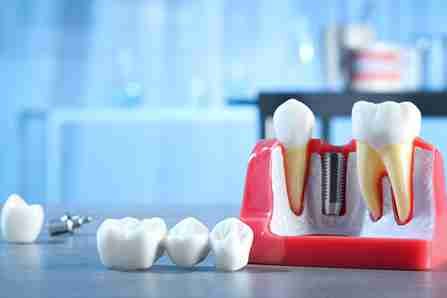
Dental implants are titanium posts surgically placed into the jawbone to act as artificial tooth roots. They support crowns, bridges, or dentures, restoring both the appearance and function of missing teeth. Implants offer numerous advantages:
- Durability: With proper care, implants can last a lifetime.
- Functionality: Implants restore full chewing power, allowing patients to enjoy all types of food.
- Aesthetic appeal: Crowns and bridges attached to implants look natural and blend seamlessly with surrounding teeth.
While implants are robust and resistant to decay, they are still vulnerable to gum disease if not cared for properly. Unlike natural teeth, implants do not have periodontal ligaments, so they rely heavily on the surrounding gums and bone for support. Ensuring these tissues remain healthy is key to long-term implant success.
What Is Gum Disease and Why It Matters for Implants
Gum disease, or periodontal disease, is an infection of the gums caused by bacteria in dental plaque. It can range from mild gingivitis to severe periodontitis, which damages bone and soft tissue. Around dental implants, gum disease manifests as peri-implantitis, a condition that can lead to bone loss, implant loosening, and eventual failure if left untreated.
Signs of gum disease around implants include:
- Red, swollen, or tender gums
- Bleeding during brushing or flossing
- Persistent bad breath
- Loose or shifting implants
- Pus or discharge around the implant site
Early detection and preventive care are essential to avoid complications. Regular check-ups and diligent oral hygiene form the foundation of implant health.

Teeth Whitening Bradford
Daily Oral Hygiene Tips to Protect Implants
Maintaining dental implants requires consistent attention to oral hygiene. A dedicated daily routine can significantly reduce the risk of gum disease and ensure the longevity of your implants.
Essential steps include:
- Brushing: Use a soft-bristled toothbrush and non-abrasive toothpaste to clean around implants twice daily. Gentle, circular motions help remove plaque without damaging gum tissue.
- Flossing: Dental floss or interdental brushes designed for implants remove debris between teeth and around the implant surface. Daily flossing is crucial to prevent bacterial buildup.
- Mouthwash: An antibacterial mouth rinse can help reduce harmful bacteria and maintain gum health.
Daily Implant Care Routine:
| Step | Recommendation |
| Brushing | Twice daily, soft-bristled brush, gentle circular motion |
| Flossing | Daily, using implant-specific floss or interdental brushes |
| Mouthwash | Antibacterial rinse once or twice daily |
| Check-ups | Every 6 months with your dentist |
Adopting these habits ensures that plaque does not accumulate around implants, reducing the risk of peri-implantitis and keeping gums healthy. Patients who pair their implant care with cosmetic treatments like teeth whitening Bradford can also enjoy the dual benefits of a brighter and healthier smile.
Professional Care for Implant Health
Even the most diligent daily hygiene routines cannot replace professional dental care. Regular visits to a dentist ensure that implants are monitored and maintained properly.
Professional support includes:
- Routine check-ups: Dentists examine the gums and implants for early signs of inflammation or infection.
- Professional cleaning: Specialized instruments remove plaque and tartar without damaging implant surfaces. Ultrasonic devices or hand instruments designed for implants provide thorough cleaning.
- Early intervention: Identifying and treating minor gum issues before they escalate can prevent implant failure.
Bradford patients should schedule professional cleanings every six months or as recommended by their dental care provider. Regular visits not only protect implants but also maintain overall oral health.
Lifestyle Habits to Support Gum Health
In addition to oral hygiene, lifestyle choices play a significant role in implant health. Certain habits can either protect or jeopardise gum and implant stability.
Helpful habits include:
- Balanced diet: Limit sugary and acidic foods, which promote bacterial growth and plaque formation. Include foods rich in vitamins and minerals to support gum and bone health.
- Avoid smoking: Tobacco use is a major risk factor for peri-implantitis and can compromise healing after implant surgery.
- Manage systemic conditions: Conditions such as diabetes can impact gum health, making consistent management essential.
- Stay hydrated: Saliva helps neutralize acids and wash away bacteria, so drinking plenty of water supports oral health.
Healthy lifestyle practices, combined with professional and at-home care, provide a comprehensive approach to maintaining implants. For patients seeking an all-round self-care regimen, clinics often combine dental treatments with aesthetic services such as laser hair removal in Bradford. This integrated approach allows patients to care for both their health and appearance.
Laser Hair Removal in Bradford
Common Mistakes That Can Harm Implants
Even small lapses in care can compromise implants over time. Patients should be aware of common mistakes to avoid:
- Using hard-bristled toothbrushes or abrasive toothpaste that can damage gum tissue.
- Ignoring early signs of inflammation or bleeding around implants.
- Skipping routine dental visits, which delays the detection of problems.
- Using inappropriate floss or cleaning tools that fail to reach critical areas around implants.
- Chewing on hard objects, which can stress implants and surrounding bone.
Avoiding these mistakes helps ensure the longevity and stability of your dental implants.
Conclusion
Dental implants offer an excellent solution for missing teeth, providing durability, function, and aesthetics. However, maintaining healthy gums is essential to protect these investments from peri-implantitis and other complications. By combining meticulous daily hygiene, regular professional care, healthy lifestyle habits, and avoiding common mistakes, patients in Bradford can enjoy the full benefits of dental implants for years to come.With consistent care and expert support, implants can remain strong, functional, and attractive. Book your next consultation with Bradford today to safeguard your dental implants and ensure a lifetime of healthy, confident smiles.
