

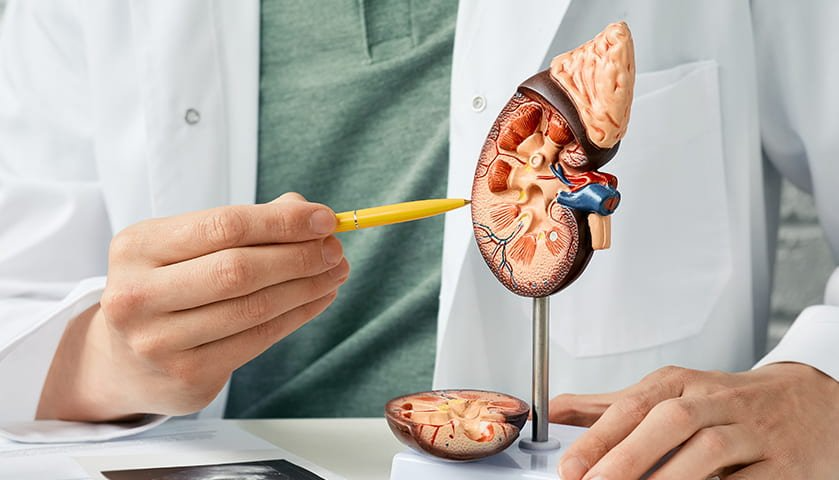
Kidney stones are more than just a painful inconvenience—they can lead to serious complications if left untreated. Fortunately, many cases can be prevented through proper hydration, a balanced diet, and healthy lifestyle habits. Understanding how these factors influence stone formation empowers individuals to take proactive steps toward maintaining kidney health.
In this guide, we explore the key strategies to reduce your risk of kidney stones and when it’s crucial to consult a urologist.
The Role of Hydration in Kidney Stone Prevention
One of the simplest yet most effective ways to prevent kidney stones is to stay properly hydrated. Water helps dilute substances in the urine, such as calcium, oxalate, and uric acid, which can crystallize to form stones.
Key hydration tips include:
- Drink enough water daily: Aim for at least 2–3 liters, depending on body weight and activity level.
- Monitor urine color: Pale yellow urine typically indicates adequate hydration, while dark yellow suggests dehydration.
- Distribute intake throughout the day: Consistent hydration is more effective than consuming large amounts all at once.
Adequate hydration not only prevents stone formation but also supports overall kidney function and helps flush out small crystals before they grow into problematic stones.
Dietary Choices That Reduce Stone Risk
Diet plays a critical role in kidney stone prevention. Certain foods can increase the likelihood of stone formation, while others can help protect the kidneys.
1. Limit Oxalate-Rich Foods
Oxalate binds with calcium in the urine to form stones. Foods high in oxalate, such as spinach, rhubarb, beets, and nuts, should be consumed in moderation. Pairing these foods with calcium-rich foods can help reduce oxalate absorption.
2. Reduce Sodium Intake
High sodium levels in the diet increase calcium excretion in urine, raising the risk of calcium stone formation. Limiting processed foods, salty snacks, and excessive table salt is crucial.
3. Moderate Animal Protein
Diets high in red meat, poultry, and fish can increase uric acid levels, contributing to stone formation. Replacing some animal protein with plant-based protein sources can lower risk.
4. Include Citrate-Rich Foods
Citrate, found in lemons, oranges, and other citrus fruits, helps prevent stone formation by binding to calcium in urine. A simple glass of lemon water each day can provide a protective effect.
5. Maintain a Balanced Calcium Intake
Contrary to popular belief, reducing calcium intake excessively can increase kidney stone risk. Adequate dietary calcium binds with oxalate in the gut, preventing stone formation. Aim to get calcium from food rather than supplements unless directed by a doctor.
Lifestyle Habits for Prevention
Beyond hydration and diet, certain lifestyle adjustments can further reduce the risk of kidney stones:
- Maintain a healthy weight: Obesity increases the likelihood of stone formation. Regular exercise and a balanced diet help maintain a healthy BMI.
- Monitor underlying conditions: Diabetes, hypertension, and metabolic disorders can influence kidney stone risk. Proper management of these conditions is essential.
- Avoid excessive vitamin C supplements: High doses can increase oxalate production, leading to stones.
- Regular medical check-ups: Periodic urine tests and imaging can detect stones early or monitor for recurrence.
Recognizing When to Consult a Specialist
Even with preventive measures, some individuals may still develop kidney stones due to genetics, medical conditions, or other risk factors. It’s important to seek professional care if you experience:
- Severe flank or back pain
- Blood in the urine
- Frequent urinary tract infections
- Nausea, vomiting, or fever alongside pain
Consulting a qualified urologist ensures accurate diagnosis, appropriate treatment, and personalized advice on preventing future stones. You can explore expert kidney stone management and preventive strategies here: https://drimtiaz.com/urologist/kidney-stone/
Medical Interventions for High-Risk Individuals
For patients prone to recurrent stones, a urologist may recommend additional preventive measures:
- Prescription medications: Certain drugs can reduce the formation of specific types of stones, such as uric acid stones.
- Monitoring urinary chemistry: Regular urine testing can help tailor dietary and medical strategies to your specific risk profile.
- Guidance on supplementation: Some patients may benefit from controlled doses of citrate or other compounds to inhibit stone formation.
These interventions, combined with hydration and dietary adjustments, provide a comprehensive approach to prevention.
Conclusion
Kidney stone prevention is achievable through a combination of hydration, mindful dietary choices, and healthy lifestyle habits. Drinking plenty of water, reducing sodium and animal protein intake, moderating oxalate consumption, and incorporating citrate-rich foods can all help lower your risk.
Equally important is staying attentive to your body and consulting a specialist if symptoms arise. With proper guidance, kidney stones can be managed effectively, minimizing discomfort and preventing recurrence.
