

Every café reaches a moment where equipment choices begin to shape reputation. Coffee quality, service speed, and consistency rarely depend only on barista skill. They often reflect the machine working behind the counter. Many café owners quietly ask whether investing in a La Marzocco espresso machine truly changes outcomes or simply inflates upfront costs.
This conversation matters because espresso machines do far more than brew coffee. They influence workflow, maintenance planning, and customer perception. Understanding what this investment delivers helps café owners align ambition with practicality, without chasing hype or cutting corners.
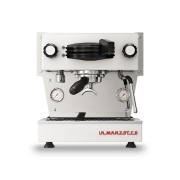
What Sets Premium Espresso Machines Apart
Not all espresso machines approach performance the same way. Entry level machines prioritize affordability and basic functionality. Premium machines focus on thermal stability, pressure control, and consistency across hundreds of daily shots.
A well engineered espresso machine maintains precise temperatures shot after shot. This stability directly affects flavor extraction and crema quality. Cafés serving high volumes notice the difference quickly, especially during peak hours.
Premium machines also offer advanced control options. Baristas fine tune pressure profiles and brew temperatures to highlight specific roast characteristics. This level of control supports menu creativity without disrupting service flow.
Why Cafés Gravitate Toward La Marzocco
The appeal of a La Marzocco espresso machine extends beyond brand recognition. These machines earn trust through decades of engineering refinement and real world café testing.
Dual boiler systems allow simultaneous brewing and steaming without temperature drops. Saturated group heads maintain consistent heat from first shot to last. Manual paddle options offer tactile control that experienced baristas appreciate.
Consistency becomes routine rather than a daily challenge. For cafés aiming to build loyal customers, that reliability carries real value over time.
How Equipment Influences Brand Perception
Customers notice espresso machines even without technical knowledge. A premium machine communicates intent and seriousness. It signals that the café values craft and invests accordingly.
This perception supports pricing confidence and customer trust. When a café presents itself as thoughtful and quality driven, guests often respond with patience and loyalty. Equipment quietly reinforces that message without a single word spoken.
Daily Workflow and Operational Efficiency
Speed and consistency shape every service shift. High end machines streamline workflow through ergonomic design and predictable output.
Baristas spend less time correcting temperature drift or pressure inconsistencies. Training becomes more efficient because the machine responds consistently across shifts. During rush periods, stability reduces stress and errors.
Over months of operation, these small efficiencies add up. Reduced waste, fewer remakes, and smoother handoffs create a calmer bar environment.
Longevity and Build Quality
A significant portion of the investment lies in durability. A La Marzocco espresso machine uses commercial grade materials designed for years of heavy use.
Stainless steel frames, robust internal components, and modular construction simplify servicing. Many cafés operate these machines for a decade or longer with proper care. That lifespan spreads cost over time, reframing the initial price point.
Routine maintenance keeps performance steady and protects internal components from premature wear.
Maintenance Realities Café Owners Overlook
Every espresso machine requires care. Premium machines reduce unexpected breakdowns through thoughtful engineering, not maintenance elimination.
Scheduled servicing preserves temperature accuracy and pressure calibration. Ignoring maintenance leads to inconsistent shots and longer downtime.
Café owners familiar with Saeco espresso machine repair often understand how overlooked servicing disrupts operations. While different machines present different maintenance profiles, the lesson remains consistent. Preventive care protects both equipment and revenue.
Cost Breakdown Beyond the Price Tag
Sticker prices often dominate equipment conversations. A deeper look tells a fuller story.
Initial investment covers advanced engineering and long term reliability. Ongoing costs include water filtration, routine servicing, and occasional part replacement. These costs exist across all commercial machines, not only premium ones.
Lower priced machines may appear economical upfront, yet frequent repairs and performance inconsistencies increase hidden costs. Downtime during service hours often costs more than scheduled maintenance.
When the Investment Makes Sense
Not every café benefits equally from high end equipment. Volume, menu focus, and brand positioning guide the decision.
Cafés emphasizing specialty coffee, consistency, and barista craft often see greater returns. High traffic locations benefit from durability and speed. Training focused teams appreciate responsive equipment.
Smaller operations or limited menus may prioritize flexibility over precision. In such cases, alternative machines align better with business goals.
Comparing Alternatives Without Bias
Many commercial machines deliver reliable performance. Comparing options requires clarity rather than brand loyalty.
Consider daily volume, staff experience, and service support availability. Evaluate how easily technicians access parts and complete servicing. Experiences with Saeco espresso machine repair highlight the importance of local technical expertise regardless of brand.
The right machine supports business rhythm rather than forcing operational changes.
Energy Efficiency and Sustainability Considerations
Modern espresso machines increasingly address energy usage. Insulated boilers and programmable standby modes reduce power consumption during slower hours.
Water efficiency also matters. Stable temperature systems reduce wasted shots during warm up and calibration. Over time, these efficiencies support sustainability goals while lowering operating costs.
Thoughtful equipment selection aligns financial responsibility with environmental awareness.
Training and Skill Development
Advanced machines encourage skill growth. Baristas learn to understand extraction variables rather than relying on automation alone.
This learning curve fosters pride and engagement. Teams invested in craft often stay longer and contribute more creatively. Equipment becomes a teaching partner rather than a limiting factor.
Resale Value and Long Term Planning
High end espresso machines often retain resale value better than entry level models. A well maintained La Marzocco espresso machine attracts buyers seeking proven reliability.
This residual value supports long term planning. Upgrades feel less risky when equipment holds worth beyond initial ownership.
Consistency That Builds Customer Trust
Cafés grow through repeat visits, and repeat visits depend on consistency. Guests return when each cup tastes familiar and satisfying. A La Marzocco espresso machine supports this expectation through precise temperature control and stable extraction. Baristas rely less on constant adjustments and focus more on execution. Over time, consistency becomes part of the café’s identity rather than a daily challenge. This reliability builds quiet trust, the kind customers rarely articulate yet deeply value.
Service Support and Long Term Reliability
Even premium machines require expert servicing to maintain peak performance. Access to skilled technicians often shapes the ownership experience. Many café owners with experience in Saeco espresso machine repair understand how responsive service keeps operations smooth. This awareness applies universally. Equipment longevity depends on proper calibration, routine inspections, and timely repairs. Machines supported by established service networks integrate more easily into long term operational planning.
Aligning Equipment With Business Vision
Equipment choices reflect intention. A La Marzocco espresso machine aligns naturally with cafés focused on craftsmanship, precision, and growth. This alignment extends beyond aesthetics into workflow, training, and brand perception. When equipment supports the broader vision, daily operations feel intentional rather than reactive.
Final Thoughts on the Investment Question
Deciding whether a La Marzocco espresso machine fits a café requires honesty about goals, volume, and identity. The investment delivers consistency, durability, and control that many cafés value deeply.
At the same time, equipment success depends on care and service. Experiences with Saeco espresso machine repair reinforce the importance of maintenance readiness across all brands.
For cafés committed to craft, reliability, and long term vision, this investment often feels less like an expense and more like a foundation.
