


Hormonal changes can cause unexpected and persistent hair growth, especially in conditions like PCOS, thyroid disorders, menopause or due to stress and certain medications. This often leads to coarse, dark hair appearing on the face or body, making traditional methods such as waxing, threading or shaving only temporary solutions. These approaches don’t target the underlying cause and can become repetitive and uncomfortable. Laser hair removal offers a more effective, longer-lasting option by reducing hormonally driven hair growth over time. This guide explains how laser treatment works, what results to expect and how to optimise your plan for smoother, lasting improvement.
Understanding Hormonal Hair Growth
Hormonal hair growth, often referred to as hirsutism when it affects women, occurs due to fluctuations or imbalances in hormones, particularly androgens, which are typically higher in men. When these hormones rise or become unregulated, hair follicles in certain areas can become thicker, darker, and more abundant.
Common hormonal hair-growth zones include:
- Chin and jawline
- Upper lip
- Neck
- Chest
- Stomach
- Lower back
Unlike fine “peach fuzz”, hormonal hair tends to grow quickly and may resist conventional removal methods. This is why many individuals exploring aesthetic treatments such as skin rejuvenation or even cosmetic dental options like Teeth Whitening Bristol also look for long-term solutions to unwanted hair, including advanced laser hair removal in Bristol.
Thyroid Disorders and Hair Growth
Both hypothyroidism (underactive thyroid) and hyperthyroidism (overactive thyroid) can influence hair growth patterns. The thyroid regulates metabolism, which also affects hair cycles.
How thyroid issues affect hair:
- Hypothyroidism can sometimes cause mild facial hair growth
- Hyperthyroidism may lead to finer, but more noticeable hair in unusual areas
- Medications may shift hair cycles, leading to unpredictable growth
Laser hair removal is suitable for many people with thyroid disorders, offering consistent reduction even if hair grows irregularly. Treatment plans may take longer, and maintenance sessions can be necessary, but results are often significant and confidence-boosting.
PCOS and Excess Hair Growth
Polycystic Ovary Syndrome (PCOS) is one of the most common causes of hormonal hair growth in women. Elevated androgen levels can cause persistent facial and body hair, often accompanied by acne, irregular periods and weight fluctuations. For many, the emotional impact can be just as significant as the physical one.
Why PCOS hair growth is stubborn:
- Follicles become androgen-sensitive
- Hairs grow thicker, darker and in male-pattern areas
- Shaving often increases irritation and ingrown hairs
- Waxing may cause sensitivity or skin trauma over time
Laser hair removal effectively reduces PCOS-related coarse hair by targeting pigment and weakening growth. Though hormones may limit full removal, long-term improvement is common. Many pair it with teeth whitening Bristol for added confidence.
Other Hormonal Triggers: Menopause, Stress, Genetics & Medication
Hormonal changes don’t only occur due to medical conditions, they can also be influenced by natural ageing or lifestyle factors.
Key triggers of hormonal hair growth:
- Menopause: Declining oestrogen allows androgens to dominate, often causing chin or upper-lip hair.
- Stress: Elevated cortisol disrupts hormone balance and may encourage new hair growth.
- Genetics: Some families naturally produce slightly higher androgen levels.
- Medications: Steroids, hormone treatments and certain contraceptives can alter hair patterns.
Laser hair removal remains an excellent long-term method for managing these changes. While each hormonal trigger behaves differently, the laser’s targeted technology offers a safe, effective and increasingly affordable solution for many people.
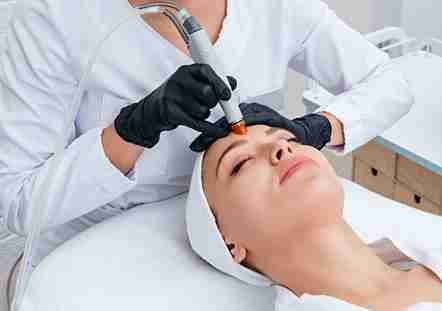
Teeth Whitening Bristol
How Laser Hair Removal Works for Hormonal Hair Growth
Laser hair removal uses concentrated light energy that targets melanin (pigment) within the hair follicle. When the light is absorbed by the pigment, the heat weakens or destroys the follicle, reducing the hair’s ability to grow.
Why multiple sessions are needed:
Hair develops through active, transitional and resting growth cycles. Laser treatments are most effective during the active (anagen) phase, when the follicle is still attached.
What makes hormonal hair different:
- Growth may be more persistent
- Follicles may be more sensitive to hormonal changes
- Regrowth is possible but slower and finer
Even with these challenges, laser remains one of the most effective methods for achieving long-term reduction, especially compared to waxing, threading or epilation.
Treatment Plan: What to Expect
A well-structured treatment plan is essential for hormonal hair growth, especially when working with areas such as the face, jawline or neck.
Typical treatment expectations:
- 6–12 sessions, depending on the severity of hormonal imbalance
- 4–6 week intervals between appointments
- A professional consultation to assess skin type, hair type, and medical history
- A patch test to ensure safety and comfort
Managing expectations:
Laser hair removal offers reduction, not permanent removal. Hormonal fluctuation can create new follicles over time, so occasional maintenance treatments every 6–12 months are common and entirely normal.
Benefits of Laser Hair Removal for Hormonal Hair Growth
Laser hair removal is more than just a beauty treatment, it offers practical, emotional and long-term benefits that many people with hormonal conditions deeply appreciate.
Key benefits include:
- Long-lasting reduction in thick, coarse hairs
- Fewer ingrown hairs and less irritation
- Smoother skin texture
- Reduced need for shaving or waxing
- Increased confidence in social and professional settings
- Cost-effective over time compared with frequent waxing
For individuals juggling multiple personal-care needs, laser hair removal often becomes a crucial part of their ongoing routine.

Laser Hair Removal in Bristol
Aftercare & Maintenance Tips
Proper aftercare ensures your skin heals effectively and your results remain consistent.
Essential aftercare guidelines:
- Use SPF daily, especially on treated facial areas
- Avoid heat treatments such as saunas or hot showers immediately after
- Use gentle, fragrance-free skincare
- Exfoliate lightly (after 3–4 days) to prevent ingrown hairs
Consistency is key. Maintaining follow-up appointments and caring for your skin will improve overall results and help ensure smoother regrowth.
Conclusion
Hormonal hair growth is far more common than most people realise, and it can affect confidence, comfort and daily routines. Thankfully, modern laser hair removal offers a practical, long-term solution that helps manage stubborn growth caused by conditions such as PCOS, thyroid imbalances, menopause and more. With the right treatment plan and proper aftercare, you can achieve smoother, clearer skin and feel more in control of your appearance. Thank you for trusting Bristol to support your journey towards confidence and wellbeing.
