

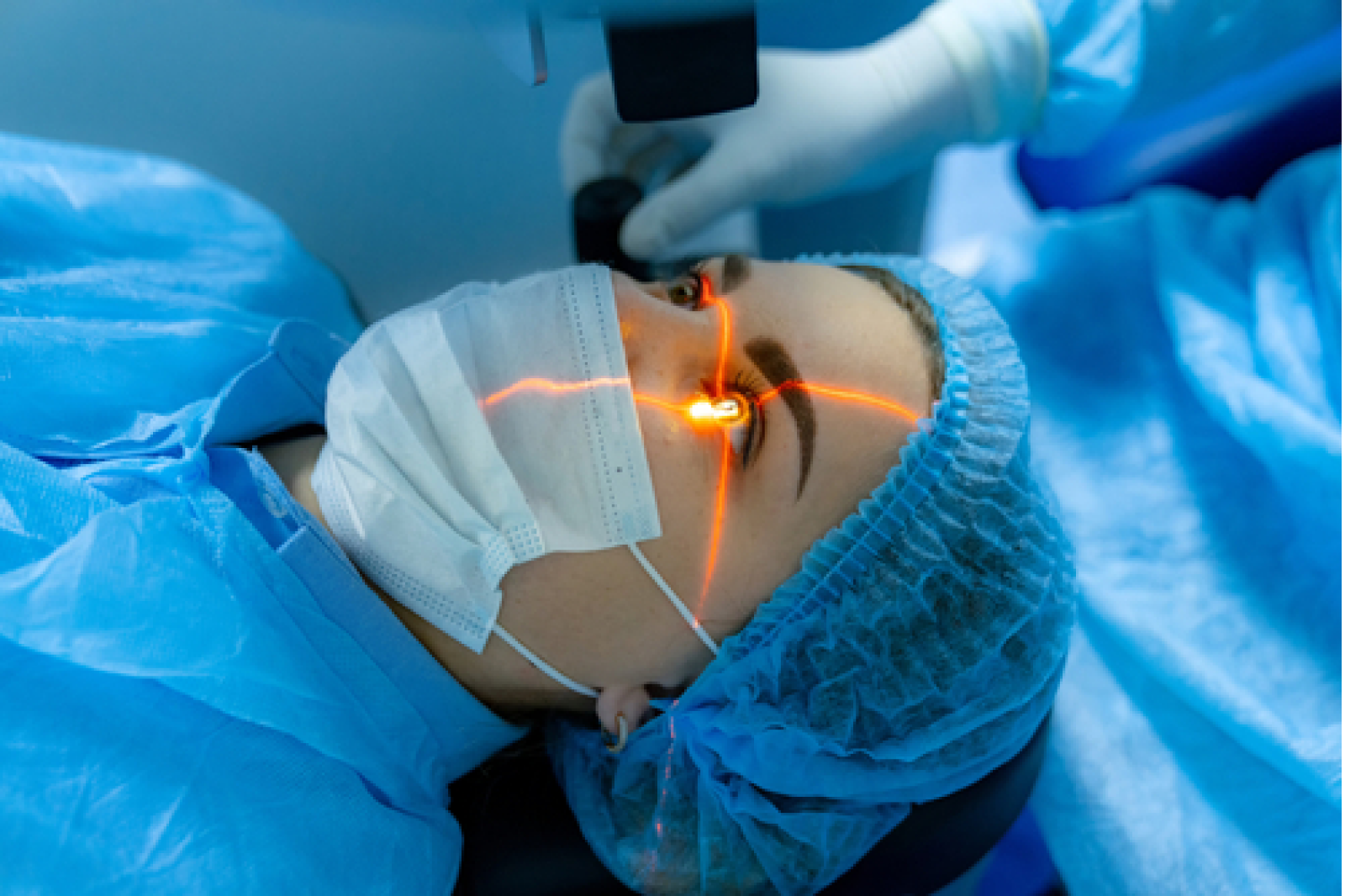
DIabetes is a severe condition that has the ability to damage your vision. However, not many people know about this. When a person suffering from diabetes experiences changes in vision, they ignore them. But this is actually a far more serious problem than they realise. With expert advice and proper treatment, such as refractive error correction, these changes can be controlled while protecting long-term eye health.
How Diabetes Affects Vision Over Time
Diabetes impacts vision primarily by damaging blood vessels that supply the eyes. The blood sugar conditions cause weakness of these vessels, thus they are likely to leak, swell or become blocked. This, over time, interferes with the processing of light in the retina, resulting in blurred or distorted vision. The vision changes might be temporary at first, which leads to many people not taking the issue seriously.
Early Vision Changes You Should Not Ignore
Early symptoms often include fluctuating vision, difficulty reading, trouble seeing at night, or frequent changes in prescription glasses. Some individuals observe black spots, shadows or blurs. These are indicators that diabetes is impacting the eye structures, and it needs immediate assessment or treatments like diabetic retinopathy treatment. Ignoring early changes increases the risk of permanent damage.
The Role of Blood Sugar Control in Eye Health
The most effective method of protecting your vision is maintaining a stable level of blood sugar. A rapid increase or decrease in glucose level may temporarily change the shape of the eye lens, hence resulting in blurry vision. Long-term poor control accelerates damage to retinal blood vessels. Consistent diabetes management slows disease progression and supports more stable visual function.
Understanding Diabetic Retinal Damage
A major complication of diabetes is the destruction of the retina, the light-sensitive tissue, which is located behind the eye. Retinal functions are impaired as the blood vessels become weakened, causing fluid leakage and inadequate oxygen supply. At this stage, diabetic retinopathy treatment becomes essential to reduce swelling, control abnormal blood vessel growth, and preserve vision.
Importance of Regular Eye Examinations
Regular eye checks are very important for people with diabetes, though they may appear to have normal vision. The damage to the retina may develop without any symptoms. Comprehensive eye exams enable the physician to identify slight changes and treat them before the vision is affected. Early diagnosis usually leads to an easy cure and a positive prognosis.
Managing Daily Life With Diabetes-Related Vision Changes
Adapting daily habits plays an important role in protecting eyesight. This involves the control of blood sugar, blood pressure and cholesterol. Visual comfort can be enhanced by wearing suitable eyewear, ensuring that there is sufficient light, and making sure that the eyes are not strained. Healthy lifestyles, like proper dieting and physical activities, also contribute to the general health of the eyes.
Wrapping Up
Managing vision changes caused by diabetes requires awareness, early action, and consistent care. Regular eye check-ups and managing blood sugar levels can help make a huge difference. Through expert advice and proper treatments like refractive error correction at top hospitals, such as F M Eye Hospital, one can protect their vision even if they have diabetes.
