

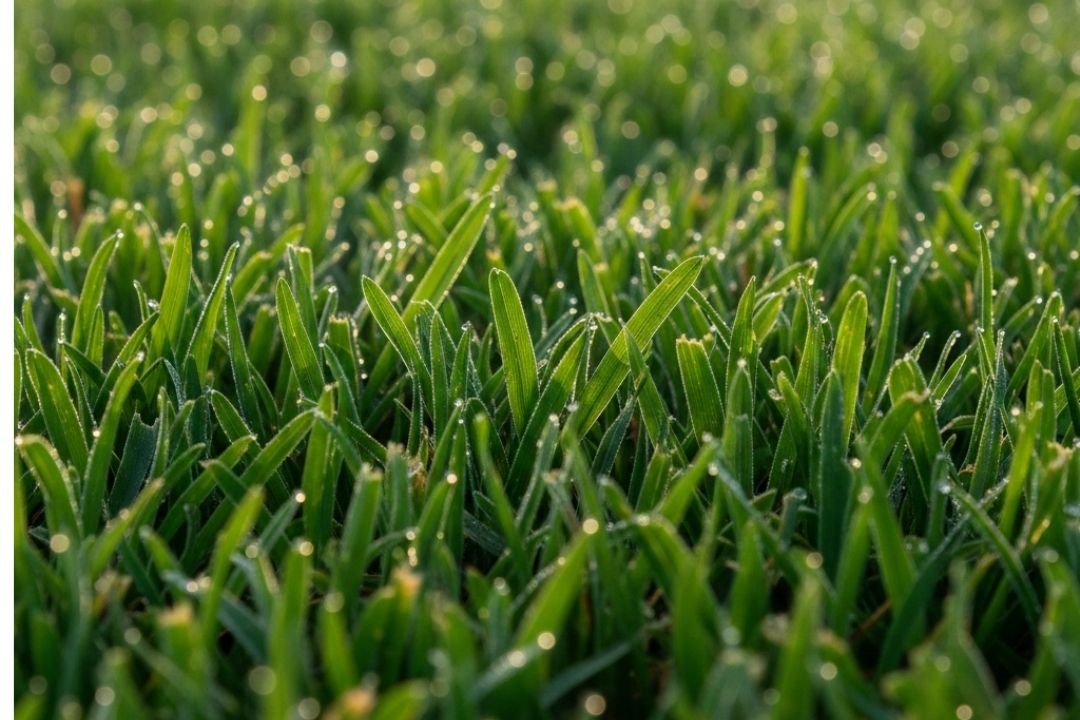
A healthy lawn starts with the right grass and the right care. St Augustine grass for home lawns stands out because it handles heat, recovers quickly, and stays dense under daily use.
For homeowners who want a lawn that looks good without constant fixes, mowing height and basic care make all the difference. Cut it too short, and the lawn thins. Ignore watering habits, and stress shows fast.
This warm-season turfgrass fits active lifestyles. Kids play on it. Pets run across it. It keeps its color even during long, hot summers.
Many professional installers, including teams like RototillerGuy, often recommend it for properties where durability matters more than perfect stripes. With a few smart habits, this grass can stay thick, green, and resilient year after year.
Why Mowing Height Matters More Than You Think
Mowing height controls how well a lawn handles heat, traffic, and water stress. Taller grass blades shade the soil. That keeps roots cooler and slows moisture loss. When cut too short, turf struggles to recover and weeds move in fast.
For St Augustine lawns, the ideal mowing height usually falls between 3.5 and 4 inches. This allows strong root growth and better heat tolerance. University of Florida IFAS Extension studies show taller mowing improves drought resistance and reduces disease pressure.
Short mowing may look neat at first. Over time, it weakens the lawn. Thin patches appear. Soil dries faster. Recovery slows after foot traffic. Keeping the mower set higher supports long-term lawn health, especially in warm climates with water limits.
Consistency also matters. Removing more than one-third of the blade height at once stresses the grass. Regular mowing at the right height keeps growth even and reduces shock.
Choosing the Right Mowing Schedule for Warm Seasons
Warm-season turfgrass grows fastest during late spring and summer. During peak growth, lawns may need mowing every 7 to 10 days. Waiting too long leads to uneven cuts and added stress.
Growth slows during cooler months. Mowing frequency should be adjusted. Cutting too often in mild weather can damage the crown of the plant. Observing growth patterns helps avoid overcutting.
Sharp mower blades are just as important as timing. Dull blades tear grass instead of cutting it cleanly. Torn tips lose water faster and invite disease. Turf research from Texas A&M AgriLife Extension confirms clean cuts improve recovery rate and color retention.
A simple rule works well:
- Mow when the grass looks tall, not on a fixed calendar.
- Avoid mowing during extreme heat.
- Never scalp the lawn before vacations or events.
St Augustine Grass Care Beyond the Mower
Watering for Strong Roots
Deep, infrequent watering builds deeper roots. Shallow watering trains roots to stay near the surface. That increases heat stress. Most lawns do well with one to two deep waterings per week, depending on soil and climate. Local water authorities often recommend early morning irrigation to reduce evaporation.
Fertilizing Without Overfeeding
Too much fertilizer causes fast growth and weak blades. Light, seasonal feeding works best. Extension programs from Louisiana State University suggest slow-release nutrients during active growth periods only.
Soil Health and Compaction
Healthy soil allows roots to spread and breathe. Compacted soil limits water absorption. Occasional aeration improves irrigation efficiency and helps lawns recover faster from foot traffic.
These habits support thick growth and reduce long-term maintenance needs.
Handling Heat, Foot Traffic, and Daily Use
Heat tolerance is one reason many homeowners choose this grass. Broad blades protect the soil and help retain moisture. Recovery rate after stress is strong when mowing height stays consistent.
Foot traffic resistance improves when roots grow deep. Taller blades support photosynthesis, which fuels recovery. Families with pets or kids often see better durability when mowing height stays above three inches.
In Southern California climate conditions, lawns face heat and water limits at the same time. According to University of California Cooperative Extension, lawns managed with higher mowing heights use water more efficiently and show fewer stress signs during heat waves.
This balance matters for long-term appearance and cost control.
Comparing Lawn Types for Durability and Lifestyle Needs
Not all lawns handle stress equally. Bermuda grass varieties spread quickly and recover fast, making them popular in athletic fields. They tolerate very low mowing but often require more frequent cutting.
St Augustine lawns favor height over speed. They perform well in partial shade and maintain density with fewer mowings. For residential yards, that means less time spent correcting damage.
Homeowners focused on comfort, appearance, and moderate upkeep often prefer thicker turf that cushions foot traffic. Lawn durability for families and pets improves when grass stays tall enough to protect the soil below.
Choosing the right type depends on how the yard is used daily.
Common Mistakes That Shorten Lawn Lifespan
Many lawn problems stem from simple habits.
- Cutting too short during the hot months
- Watering lightly every day
- Using high-nitrogen fertilizer too often
- Ignoring dull mower blades
Each mistake weakens turf over time. Research from Mississippi State University Extension shows that lawns maintained at the correct mowing height experience fewer weeds and less disease pressure.
Small adjustments prevent costly repairs later.
Conclusion
A resilient lawn depends on consistent habits, not constant fixes. Proper mowing height protects roots, improves heat tolerance, and reduces water stress. Combined with smart watering and soil care, st augustine grass can stay thick and attractive for years.
For Los Angeles yards, Bermuda grass also remains a strong option when durability and fast recovery are top priorities. Choosing the right turf and managing it correctly makes everyday use easier and more enjoyable.
Professionals with long-term experience understand these details. RototillerGuy brings over 25 years of hands-on expertise, supported by 500+ local reviews, in lawn installation, landscaping, and sprinkler services. That depth of knowledge helps homeowners build lawns that perform well, not just look good for one season.
Frequently Asked Questions
Q1: What is the best mowing height during summer heat?
Most warm-season lawns perform best when kept taller during extreme heat. Taller blades shade the soil and reduce moisture loss. Extension research shows that higher mowing heights improve drought tolerance and recovery after stress.
Q2: How often should I water during hot weather?
Deep watering once or twice a week works better than daily light watering. This approach supports deeper roots and improves irrigation efficiency, especially during water restrictions.
Q3: Does foot traffic damage lawns permanently?
Damage depends on care habits. Lawns with proper mowing height and healthy roots recover faster. Consistent stress without recovery time can thin turf over time.
Q4: Can lawns survive water limits and still look good?
Yes. Lawns managed with correct mowing height and soil health use water more efficiently. University studies confirm taller grass reduces evaporation and stress.
Q5: Is professional installation worth it for long-term results?
Professional installation ensures proper soil prep, grading, and irrigation setup. These factors strongly affect durability, water use, and long-term lawn performance.
