

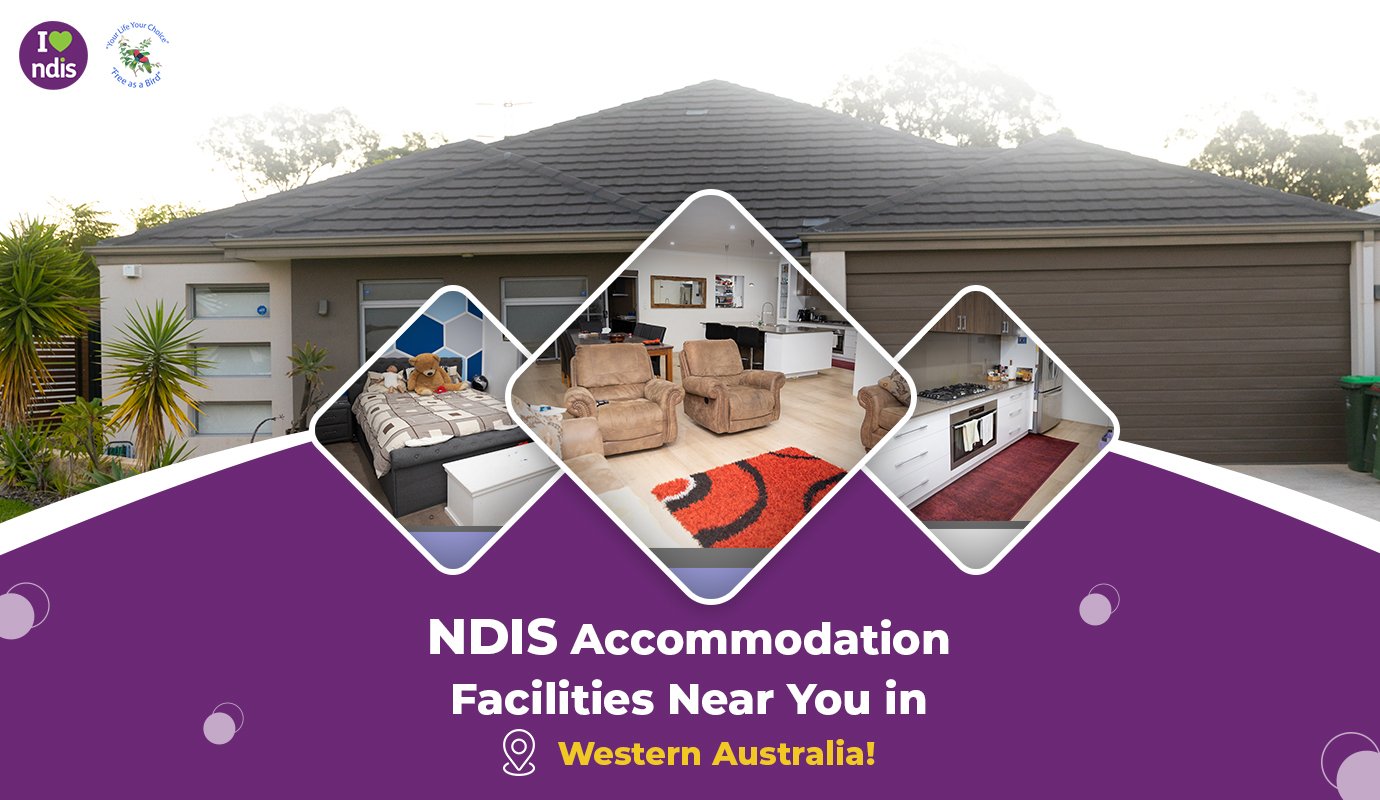
Choosing the right accommodation is one of the most critical decisions for NDIS participants and their families in Western Australia. With a variety of housing options available, asking the right questions ensures participants find a safe, supportive, and suitable environment that aligns with their goals and care needs. NDIS Accommodation Facilities are more than just a place to live—they are structured support environments that combine accessibility, safety, and professional care to promote independence and wellbeing.
Families often feel overwhelmed by the options and compliance requirements in Western Australia. This makes it essential to prepare a list of questions that cover safety, support services, staff experience, housing accessibility, and regulatory standards. Consulting with professionals like Admire Care can help participants navigate these decisions with confidence and clarity.
A well-informed decision also reduces long-term stress, ensures adherence to NDIS standards, and allows participants to thrive in a stable and nurturing environment. By asking targeted questions, families can determine which providers offer high-quality care, maintain proper registration, and create safe living spaces.
Why Asking the Right Questions Matters When Choosing NDIS Accommodation Facilities
Asking structured questions helps families and participants identify providers that meet both personal needs and regulatory requirements. NDIS Accommodation Facilities in Western Australia vary in size, support level, and design, so asking the right questions ensures the chosen provider aligns with a participant’s independence goals.
Proper questioning also uncovers essential information about staff training, emergency preparedness, accessibility features, and daily living support. Without asking, families may overlook critical differences that impact safety and quality of life. Furthermore, clear communication with providers helps establish trust and transparency, making the transition into supported accommodation smoother for participants.
Key Questions About NDIS Accommodation Facilities Services
When evaluating housing, participants and families should ask questions about the scope of services. Key inquiries include: How many staff are available per participant? What hours is support provided? Are support plans tailored to individual goals?
Understanding these details ensures that NDIS Accommodation Facilities provide the right level of care, including assistance with meals, personal hygiene, medication management, and community engagement. Families should also ask about communication processes between staff and participants, including how changes in support needs are addressed.
Safety and Accessibility Questions for NDIS Accommodation Facilities
Safety and accessibility are top priorities for participants in Western Australia. Families should ask about emergency procedures, building compliance, mobility-friendly layouts, and assistive technology availability.
Checking for alarms, evacuation plans, and staff training in emergency response ensures residents are protected. Accessibility features such as ramps, wide doorways, and adapted bathrooms support independence while reducing the risk of injury. These measures reflect the provider’s commitment to high-quality, participant-focused care.
Questions About Support Services and Daily Living Assistance
Daily support is a major component of accommodation services. Families should ask how a SIL Provider supports residents in everyday tasks such as cooking, cleaning, personal care, and social participation.
Inquiring about staff ratios, skill levels, and training certifications provides insight into the quality of care. It is also useful to ask how providers balance independence and assistance, ensuring participants develop life skills while remaining safe and supported.
Questions About Housing Design and Accessibility
Housing design directly impacts participant wellbeing. Questions should cover whether the accommodation is wheelchair accessible, whether bathrooms and kitchens are adapted for varying needs, and whether technology is available to aid independence.
Families can also ask about outdoor areas, community access, and security features. Understanding how the property supports mobility, daily routines, and comfort is crucial to ensuring the accommodation environment fosters independence and safety.
Questions About Specialist Disability Housing
Participants with higher support needs may require an SDA Provider. Families should ask questions about eligibility criteria, specialised features such as ceiling hoists, adjustable fixtures, and reinforced bathrooms.
Inquiring about staff training, response times, and participant supervision ensures the housing provider can safely meet complex care needs. Families should also ask how the accommodation adapts to changing participant requirements over time.
Questions About Temporary and Transitional Housing
For participants waiting for long-term housing, Medium-Term Accommodation may be used. Families should ask about the duration of stay, availability of support staff, and what daily living assistance is provided.
It is also important to understand how transitional housing prepares participants for permanent accommodation, including whether personalisation, therapy, and skill development are supported during the temporary stay.
How Families Can Compare Multiple Accommodation Providers
Asking consistent questions across different providers allows families to make informed comparisons. Key factors include staff qualifications, housing safety, accessibility, daily support quality, and overall environment.
Comparing multiple NDIS Accommodation Facilities helps families weigh pros and cons and select the provider that best aligns with participant goals, independence, and safety. Visiting properties, speaking with staff, and reviewing feedback from current residents all contribute to a more complete understanding of service quality.
Questions to Ask Table
| Questions to Ask | Why It Matters | What a Good Provider Should Explain |
| What support services are provided? | Ensures participants receive appropriate assistance | Daily living support, therapy, personal care, social engagement |
| What staff qualifications and training are in place? | Confirms staff competency and safety | Certification details, ongoing training programs |
| Are emergency procedures clearly defined? | Protects participant safety | Evacuation plans, emergency contacts, drills |
| How accessible is the housing? | Supports independence and mobility | Wheelchair access, adapted bathrooms, assistive technology |
| What is the provider’s registration status? | Confirms compliance with NDIS standards | NDIS registration verification and audit records |
| How is participant feedback handled? | Ensures continuous improvement | Complaint systems, regular meetings, participant input |
Common Questions About NDIS Accommodation Facilities in Western Australia
What questions should I ask before choosing NDIS accommodation?
Participants should inquire about staff ratios, accessibility, daily support, emergency procedures, and housing compliance. Asking these questions ensures NDIS Accommodation Facilities meet safety and support requirements in Western Australia.
How do I know if an NDIS accommodation provider is trustworthy?
Trustworthy providers maintain registration, follow NDIS standards, employ trained staff, and respond to participant feedback. Transparency in services and operational processes is another indicator of reliability.
What support services should accommodation providers offer?
Services may include personal care, meal assistance, social participation, and skill development. Providers like Admire Care also ensure residents receive support tailored to individual NDIS plans.
Can families visit NDIS housing before choosing?
Yes, visiting the property allows families to assess accessibility, environment, staff interaction, and participant comfort, helping them make an informed decision.
What is the difference between SIL and SDA housing?
SIL focuses on daily living support within the accommodation, whereas SDA is purpose-built housing designed for participants with high physical support needs. Asking this clarifies which service best suits the participant’s requirements.
How can families compare disability accommodation providers?
Consistently asking questions across multiple providers helps families compare services, safety, staff quality, and housing features. Visiting sites and reviewing participant experiences provide practical insight for making the best choice.
