

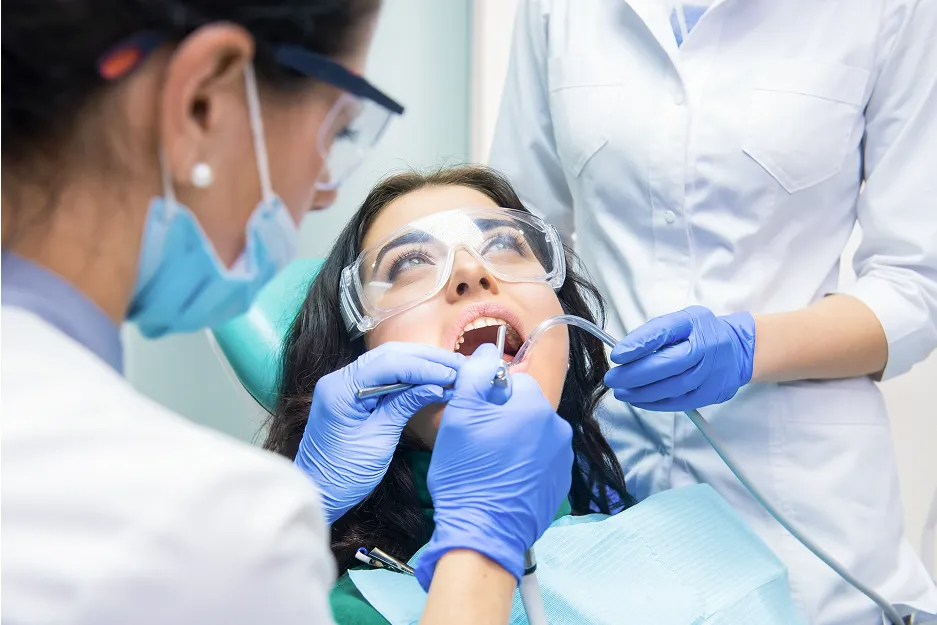
Maintaining a bright, healthy smile goes beyond just visiting the orthodontist for braces or aligners. The real work begins at home, where daily oral care can make or break your orthodontic results. Food debris, plaque, and bacteria can easily accumulate around brackets, wires, and trays, creating a breeding ground for decay or gum disease. For anyone undergoing orthodontic treatment, adopting fast and effective oral care habits is essential, not only to protect teeth but also to ensure treatment progresses as efficiently as possible.
This guide shares expert-backed recommendations for orthodontic teeth care, focusing on quick, practical strategies to maintain dental health, prevent emergencies, and support long-term results.
Why Orthodontic Teeth Care is Crucial
Orthodontic appliances, while transforming your smile, introduce unique challenges in oral hygiene. Neglecting teeth care during this period can lead to:
- Tooth Decay: Plaque and food particles trapped in brackets or aligners can cause cavities.
- Gum Disease: Irritated gums or inflammation may occur around poorly cleaned teeth.
- White Spot Lesions: Early enamel demineralisation, often permanent, can appear around brackets.
- Bad Breath: Bacterial growth from retained food and poor cleaning can cause halitosis.
Following professional guidance reduces these risks, keeps treatment on schedule, and prevents the need for additional corrective work.
Daily Oral Hygiene Routine for Orthodontic Patients
Consistency and technique are key when caring for teeth with braces or aligners. Experts recommend a structured daily routine:
Brushing Tips
- Brush after every meal to remove trapped food.
- Use a soft-bristled brush or electric toothbrush at a 45° angle to clean around brackets and wires.
- Brush for at least two minutes, covering all surfaces of the teeth.
Flossing & Interdental Cleaning
- Floss at least once daily using floss threaders or orthodontic floss to reach under wires.
- Water flossers are especially useful for tight spaces and difficult-to-reach areas.
Mouthwash
- Use a fluoride mouthwash to strengthen enamel and prevent decay.
- Antimicrobial rinses can reduce bacteria around orthodontic appliances.
These steps, while simple, make a significant difference in preventing complications and keeping your orthodontic journey on track.
Foods to Avoid and Include
Dietary choices play a pivotal role in orthodontic care. Certain foods can damage appliances or worsen oral health, while others support strong, healthy teeth.
Foods to Avoid:
- Hard foods: nuts, hard candies, ice
- Sticky foods: toffee, chewing gum, caramel
- Crunchy foods: popcorn, chips
Foods to Include:
- Soft fruits and vegetables: bananas, cooked carrots
- Dairy products: milk, cheese, yogurt for calcium
- High-fibre foods: support gum health and overall oral hygiene
| Safe Foods | Unsafe Foods |
| Yogurt | Toffee |
| Soft fruits | Hard candy |
| Cooked vegetables | Popcorn |
| Soft cheese | Chewing gum |
By choosing the right foods, patients can protect appliances, reduce emergency visits, and maintain comfort throughout treatment.
Managing Orthodontic Emergencies Quickly
Even with proper care, orthodontic emergencies may occur. Knowing how to respond promptly can prevent further complications:
Common Issues:
- Loose or broken brackets
- Protruding wires causing irritation
- Pain or swelling from shifting teeth
Immediate Actions:
- Apply orthodontic wax to sharp brackets or wires for temporary relief.
- Rinse with warm salt water to soothe irritation.
- Avoid hard, sticky foods until professional care is provided.
- Document any visible changes in alignment and damage.
In cases where discomfort is severe or appliances are damaged, it is essential to contact an emergency dentist in Bognor Regis for immediate advice or treatment. Acting quickly can prevent setbacks and maintain the efficiency of orthodontic care.
Expert Recommendations and Professional Tools
Orthodontists emphasise the use of both professional tools and simple daily practices for effective teeth care:
- Regular Check-Ups: Routine adjustments ensure appliances function correctly.
- Professional Cleanings: Dental hygiene appointments prevent plaque and enamel damage.
- Interdental Brushes & Water Flossers: Reach tricky areas that regular brushes cannot.
- Emergency Dental Kit: Keep orthodontic wax, a small mirror, and spare aligner cases handy.
Following these expert recommendations minimizes risks and supports a smooth treatment experience.
Maintaining Long-Term Results
Retainers and follow-up care are crucial once braces or aligners are removed. Without proper maintenance, teeth can shift, undoing months or years of treatment. Key strategies include:
- Consistent Retainer Use: Follow the orthodontist’s schedule strictly.
- Routine Dental Visits: Detect minor misalignments early.
- Protective Gear: Use mouthguards during sports to avoid trauma.
- Careful Oral Hygiene: Maintain brushing, flossing, and cleaning of appliances.
Adhering to these practices helps preserve results, reduce emergency visits, and maintain both function and aesthetics.
Protecting Braces During Physical Activity
Orthodontic appliances are susceptible to damage during sports or active play. Accidental impacts can loosen brackets, bend wires, or cause soft tissue injuries. To protect your smile:
- Wear a Mouthguard: Custom or boil-and-bite mouthguards cushion teeth and braces during contact sports.
- Avoid High-Risk Activities Without Protection: Activities like skateboarding or martial arts pose a higher risk of dental trauma.
- Inspect Appliances After Activity: Check for loose brackets or wires to catch minor issues before they become emergencies.
- Seek Prompt Care: If damage occurs, contact an emergency dentist in Bognor Regis immediately.
Taking preventive measures during physical activity preserves braces, prevents discomfort, and ensures that orthodontic treatment stays on schedule.
Managing Discomfort After Adjustments
Orthodontic appointments often involve tightening wires or changing aligners, which can temporarily cause discomfort or pressure. Managing this discomfort properly can prevent unnecessary complications:
- Use Soft Foods: Meals like soups, mashed vegetables, and smoothies reduce pressure on teeth.
- Over the Counter Pain Relief: Ibuprofen or paracetamol can help manage mild pain (follow dosage instructions).
- Orthodontic Wax: Apply wax over irritating brackets or wires to protect cheeks and gums.
- Monitor Persistent Pain: Severe or prolonged discomfort may indicate issues requiring assessment by an orthodontist Bognor Regis.
Addressing post-adjustment discomfort promptly prevents further complications, maintains oral health, and supports smooth treatment progression.
Additional Tip: Handling Sensitive Teeth
Sensitivity can occur during or after orthodontic treatment, often when teeth respond to pressure from braces or shifting. Experts recommend:
- Soft Toothpaste: Use sensitivity toothpaste to reduce discomfort.
- Gentle Brushing: Avoid aggressive brushing that may irritate gums.
- Warm Saltwater Rinses: Soothes inflamed areas temporarily.
- Monitor Changes: Track any persistent pain or swelling.
If sensitivity becomes severe, contact an orthodontist Bognor Regis promptly. Early intervention prevents further discomfort and ensures safe, effective treatment continuation.
Conclusion
Orthodontic teeth care requires consistent effort, informed choices, and timely intervention. From proper brushing and flossing to dietary precautions and emergency management, patients can protect their oral health while ensuring efficient treatment progress.
Incorporating professional advice, using appropriate tools, and monitoring for emergencies supports a healthy, beautiful smile. For comprehensive orthodontic and emergency dental care, the dedicated professionals in Bognor Regis provide the guidance and support needed to maintain your smile safely, comfortably, and effectively.
