

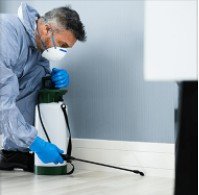
Unwanted pests can quietly turn a comfortable living space into a source of stress, damage, and health concerns. From crawling insects to hidden invaders inside walls and furniture, pests rarely stay visible until the problem becomes serious. This is where pestcontrol plays a critical role in maintaining a clean, safe, and healthy environment.
Effective pestcontrol is not just about removing pests—it’s about preventing their return and protecting your property long term. Understanding how professional pestcontrol works and why it matters can help you make smarter decisions before infestations get out of hand.
Why Pest Problems Should Never Be Ignored
Many people delay pest treatment, hoping the issue will resolve on its own. Unfortunately, pests multiply quickly and adapt to their surroundings. A few insects today can turn into a full infestation within weeks.
Beyond discomfort, pests can damage furniture, wiring, insulation, and food supplies. Some pests also carry bacteria and allergens that affect indoor air quality and overall well-being. Early pestcontrol intervention reduces risks and minimizes costly repairs later.
The True Purpose of Professional Pestcontrol
Professional delvallepestcontrol goes far beyond spraying chemicals. It begins with identifying the type of pest, understanding its behavior, and locating nesting or breeding areas. This targeted approach ensures the root cause is addressed rather than just treating surface-level symptoms.
Experts use strategic methods that eliminate pests while reducing harm to occupants and property. This balanced approach delivers effective results without unnecessary exposure to harsh products.
Common Pests That Require Immediate Attention
Certain pests demand fast action due to their rapid spread or potential damage. Insects that infest kitchens, bedrooms, and storage areas can contaminate food and fabrics. Others hide inside walls or flooring, silently weakening structural elements.
Rodents can chew through materials, create fire hazards, and spread disease. Ignoring these signs often leads to larger infestations that are more expensive and time-consuming to control. Professional pestcontrol helps stop the problem before it escalates.
How Modern Pestcontrol Methods Have Evolved
Today’s pestcontrol techniques are safer, smarter, and more effective than ever before. Rather than relying on outdated blanket treatments, professionals now use precision-based solutions tailored to each situation.
Integrated pest management focuses on prevention, monitoring, and targeted treatment. This approach reduces chemical use while delivering long-lasting protection. Modern pestcontrol also considers environmental responsibility, making it safer for families and pets.
The Importance of Regular Pest Inspections
Even when pests are not visible, regular inspections play a vital role in prevention. Small cracks, moisture buildup, and cluttered areas can invite infestations without obvious warning signs.
Routine pestcontrol inspections identify vulnerabilities early, allowing corrective measures before pests become established. Prevention is always more affordable and less disruptive than emergency treatments.
Pestcontrol and Long-Term Property Protection
Pests don’t just affect cleanliness—they impact property value. Damage caused by hidden infestations can weaken structures and require extensive repairs. Regular pestcontrol acts as a protective shield, preserving the integrity of your space.
For property owners and managers, consistent pestcontrol demonstrates responsibility and helps maintain safe, habitable environments. It also prevents recurring infestations that can frustrate occupants and lead to complaints.
Preparing Your Space for Effective Pestcontrol
Successful pestcontrol requires cooperation between professionals and occupants. Simple preparation steps, such as reducing clutter, cleaning affected areas, and sealing food containers, can greatly improve treatment results.
Following professional guidance ensures that treatments reach critical areas and remain effective longer. Proper preparation also shortens recovery time and enhances overall success.
Preventing Future Pest Infestations
Once pests are eliminated, prevention becomes the priority. Small habits make a big difference, such as sealing entry points, managing moisture, and maintaining cleanliness. Regular waste disposal and proper storage reduce pest attraction significantly.
Professional pestcontrol providers often offer maintenance plans to ensure ongoing protection. These plans help catch early signs of activity and keep environments pest-free year-round.
Choosing the Right Pestcontrol Service
Not all pestcontrol services deliver the same results. Experience, transparency, and customized treatment plans matter. A reliable provider takes time to explain the process, answer questions, and offer follow-up support if needed.
Avoid services that promise instant results without inspection. Quality pestcontrol is based on knowledge, strategy, and consistency—not shortcuts.
Final Thoughts
Pests are more than an inconvenience—they are a threat to comfort, health, and property. Waiting until the problem becomes visible often leads to higher costs and greater disruption. Investing in professional pestcontrol is a proactive step toward long-term protection and peace of mind.
