

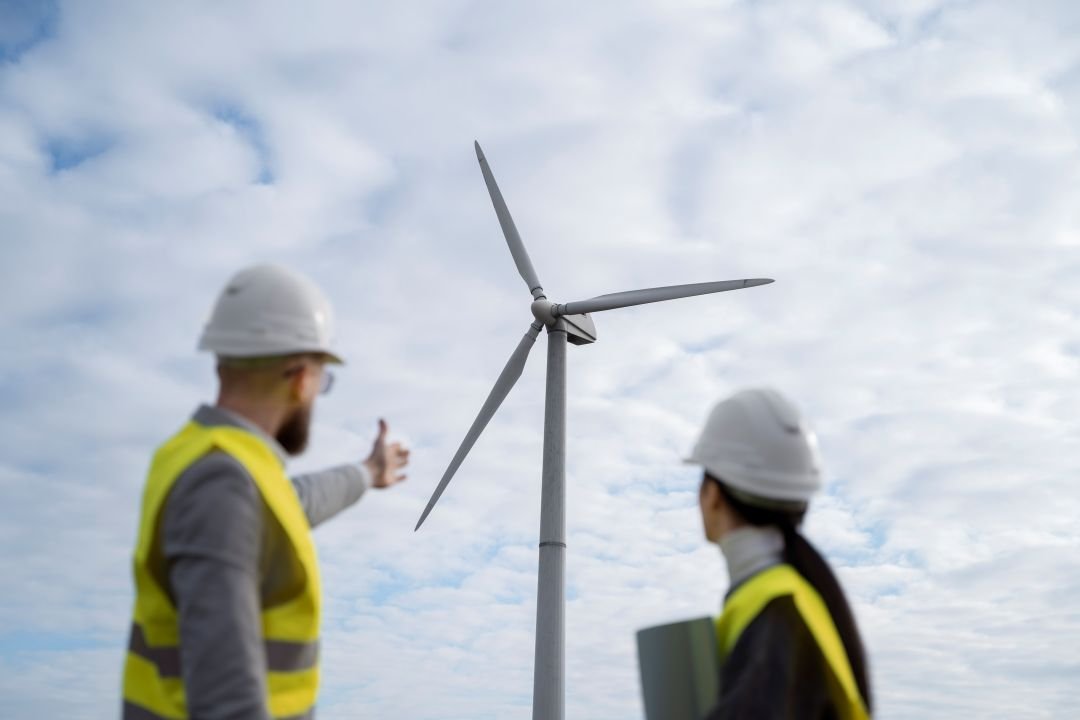
Planning permission for wind turbines in Ireland is mandatory for most commercial and large-scale projects, and approval depends on site location, environmental impact, and compliance with national guidelines. Without proper consent, even a well-funded wind project cannot move forward.
Ireland continues to expand renewable energy capacity, with wind supplying a major share of national electricity, according to the Sustainable Energy Authority of Ireland (SEAI). This growth means planning authorities carefully assess each proposal to balance clean energy goals with environmental protection and community impact.
For landowners and renewable energy developers, understanding the planning process early reduces delays and financial risk. Clear preparation, professional studies, and compliance with Irish wind energy development guidelines are the foundation of successful approval.
Why Planning Permission Is Required for Wind Projects
Wind turbines are large structures. They affect landscapes, nearby homes, and local wildlife. For this reason, Irish planning law requires formal approval before construction begins.
Local authorities review wind energy applications under national planning frameworks and renewable energy policy. Larger projects may also involve review by An Bord Pleanála, Ireland’s independent planning appeals body.
Planning consent ensures that:
- Noise levels stay within legal limits
- Visual impact is assessed
- Wildlife habitats are protected
- Public safety standards are met
Commercial turbines often exceed 50 metres in height. At this scale, environmental review is detailed and structured. Developers must provide accurate technical reports and community consultation records.
Proper preparation strengthens approval chances and protects long-term project viability.
Planning Permission for Wind Turbines in Ireland: Key Regulations
Planning permission for wind turbines in Ireland follows national wind energy development guidelines. These guidelines outline setback distances, noise thresholds, and environmental reporting standards.
The Department of Housing provides policy direction on renewable infrastructure. Local councils apply these policies during assessment.
Key regulatory factors include:
- Setback distances from homes and roads
- Noise limits, measured in decibels
- Shadow flicker assessment for nearby properties
- Environmental Impact Assessment (EIA) for larger projects
Projects above certain capacity thresholds require full Environmental Impact Assessment Reports. These reports review biodiversity, water systems, traffic impact, and cultural heritage.
Ireland’s Climate Action Plan supports renewable expansion. However, compliance remains strict. Approval depends on balancing energy goals with community and environmental safeguards.
Environmental and Community Considerations
Environmental protection plays a central role in wind energy planning. Authorities review potential effects on birds, peatlands, and protected habitats. Ireland’s ecological landscape requires careful evaluation.
Developers often conduct:
- Bird and bat surveys
- Noise impact modelling
- Landscape and visual impact studies
Community engagement is equally important. Public consultation allows local residents to review proposals and submit feedback. Transparent communication reduces objections and improves trust.
Wind projects near Special Areas of Conservation must meet strict EU environmental directives. These rules aim to protect biodiversity while supporting renewable growth.
When studies are thorough and engagement is genuine, approval outcomes tend to improve. Responsible development aligns clean energy expansion with local acceptance.
The Wind Turbine Planning Application Process
The planning application process follows a structured path. Each stage must be completed carefully.
1. Site Assessment
Developers measure wind speed and grid access. Environmental baseline studies begin early.
2. Preparing Documentation
Applications include:
- Site layout plans
- Noise studies
- Environmental reports
- Grid connection details
Accuracy is critical. Incomplete submissions cause delays.
3. Public Notice and Review
Applicants publish notices in local newspapers. Planning files remain open for public inspection. Submissions from residents are considered before a final decision.
Local authorities usually issue decisions within statutory timelines. However, appeals to An Bord Pleanála can extend the process.
Early professional guidance helps streamline this timeline and reduce unexpected setbacks.
Working with Experts Like Turbines Ireland
Professional guidance improves compliance and reduces risk. Turbines Ireland supports landowners and renewable developers through structured feasibility studies and planning coordination.
Wind projects require detailed technical input. This includes grid strategy, environmental reporting, and regulatory alignment.
Experienced providers focus on:
- Accurate wind measurement
- Planning documentation support
- Community engagement strategy
- Long-term performance modelling
Ireland’s renewable energy sector continues to grow under national climate commitments. Projects aligned with regulatory standards and sustainability targets often progress more smoothly.
Expert oversight ensures that planning permission for wind turbines in Ireland is approached with clarity and confidence. Strong preparation protects both investment and reputation.
Common Challenges and How to Avoid Delays
Planning delays often arise from incomplete reports or underestimated environmental impact. Clear preparation reduces these risks.
Common challenges include:
- Underestimating visual impact
- Insufficient wildlife surveys
- Grid connection uncertainty
- Community objections
To avoid setbacks:
- Conduct full site feasibility studies
- Engage with local communities early
- Work with experienced renewable consultants
- Ensure compliance with national guidelines
Ireland’s wind sector operates under structured regulation. When projects meet standards from the outset, approval timelines become more predictable.
Read more: Why More Homeowners in Ireland Are Choosing Log Cabins
Strong documentation, transparent communication, and professional oversight form the backbone of successful wind planning.
Frequently Asked Questions
Q1:How long does planning permission for wind turbines take in Ireland?
The process usually takes several months. Large projects may take longer if appeals are lodged. Environmental assessments and public consultation can extend timelines. Early preparation and complete documentation reduce delays.
Q2: Do all wind turbines require planning permission?
Most commercial and mid-to-large turbines require planning consent. Very small domestic turbines may fall under different rules, depending on height and location. Always check with the local authority before installation.
Q3: What is an Environmental Impact Assessment (EIA)?
An EIA is a detailed study of environmental effects. It reviews wildlife, noise, traffic, and landscape impact. Larger wind projects must submit this report as part of the planning process.
Q4: Can neighbours object to a wind turbine project?
Yes. During public consultation, residents may submit observations or objections. Planning authorities consider these before issuing decisions. Clear communication and early engagement often reduce opposition.
Q5: Who grants final approval for large wind projects?
Local authorities grant initial approval. Appeals are handled by An Bord Pleanála. Their decision is final unless challenged in court under legal grounds.
Conclusion
Planning permission for wind turbines in Ireland requires structured preparation, environmental care, and compliance with national energy guidelines. Approval depends on accurate reporting, community engagement, and professional oversight.
To conclude, investing in wind energy is a long-term decision that depends on accurate planning, reliable installation, and consistent performance over time.
In Ireland’s renewable energy landscape, projects deliver stronger results when supported by experienced providers who understand site conditions, compliance requirements, and scalable turbine deployment.
Turbines Ireland reflects this approach by focusing on practical assessments and professionally managed wind solutions that align with national sustainability goals. This experience-led model often helps projects achieve better efficiency, long-term value, and dependable clean energy output.
