

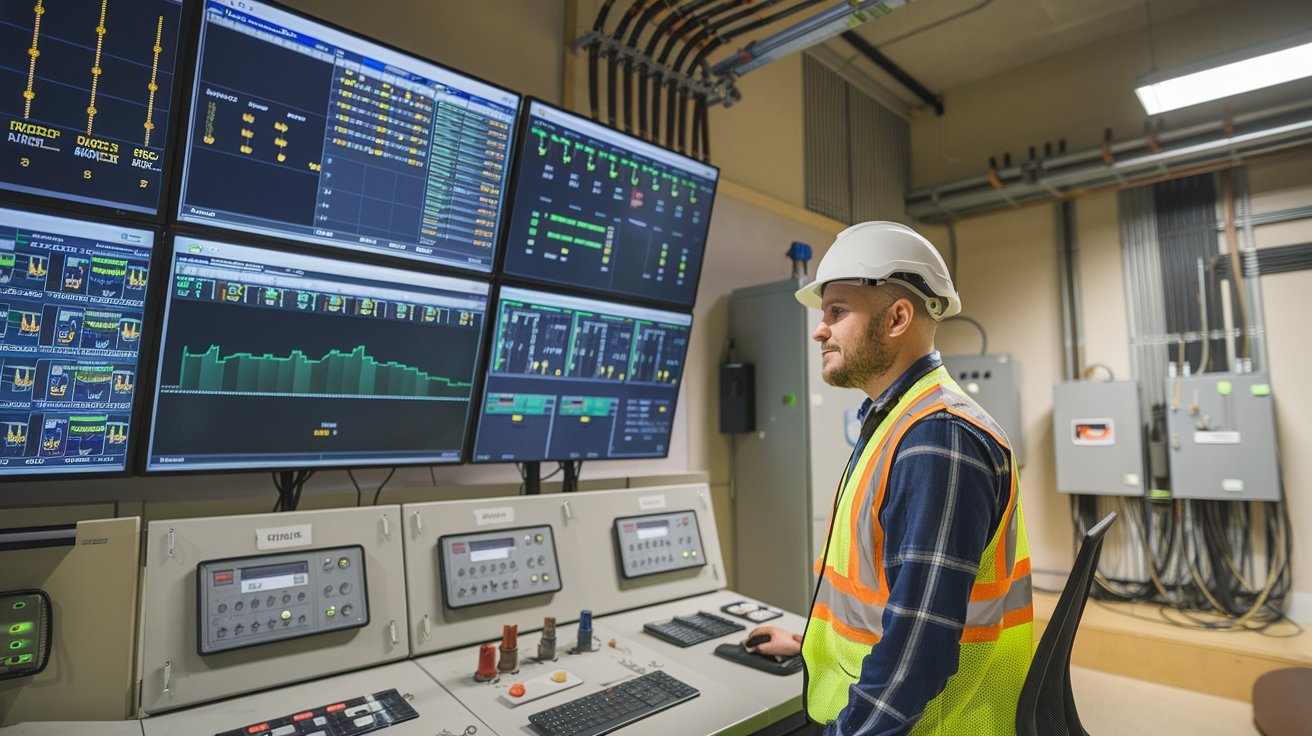
Electricity powers our world, but behind every reliable system is careful planning and analysis. Power systems are complex networks, and even small errors can lead to major failures. This is where power system studies come in. They help engineers understand how electrical systems behave under different conditions and ensure safe operation at all times.
Without proper studies, power systems would be unpredictable and risky. From industrial plants to renewable energy projects, these studies are essential for preventing accidents, improving performance, and ensuring long-term reliability.
What Are Power System Studies?
Power system studies are detailed analyses performed to evaluate how an electrical system will perform. These studies use simulations and calculations to predict behavior under normal and abnormal conditions.
Instead of waiting for problems to occur, engineers use these studies to identify risks in advance. They examine how power flows through the system, how faults may occur, and how equipment will respond under stress.
In modern energy projects, especially solar installations, combining studies with services like PV & DC Field Electrical & Commissioning Services ensures that systems are not only well-designed but also safely implemented in real-world conditions.
Why Safety Is the Core Focus
Safety is the most important reason behind conducting power system studies. Electrical systems operate at high voltages and currents, which can be dangerous if not properly managed.
Power system studies help:
- Prevent electrical faults and failures
- Protect equipment from damage
- Reduce the risk of fire and accidents
- Ensure safe working conditions for personnel
By identifying potential issues early, these studies create a safer environment for both operators and equipment.
Types of Power System Studies
There are several types of studies, each focusing on a specific aspect of system performance. Together, they provide a complete picture of system behavior.
Load Flow Analysis
Load flow analysis examines how electricity moves through the system under normal conditions. It helps engineers understand voltage levels, power distribution, and system efficiency.
This study ensures that all parts of the system receive the correct amount of power without overloading any component.
Short Circuit Study
Short circuit studies analyze what happens when a fault occurs. These faults can cause extremely high currents that may damage equipment.
By calculating fault levels, engineers can design protection systems that quickly isolate the problem and prevent further damage.
Protection Coordination Study
Protection systems must respond quickly and correctly during faults. This study ensures that protective devices such as relays and breakers operate in the right sequence.
Proper coordination prevents unnecessary shutdowns and ensures that only the affected part of the system is isolated.
Arc Flash Study
Arc flash incidents are one of the most dangerous electrical hazards. This study evaluates the risk of arc flashes and determines safe working distances.
It also helps in selecting appropriate protective equipment for workers, reducing the risk of serious injuries.
Harmonic Analysis
Modern electrical systems often include electronic devices that can create harmonics. These distortions can affect system performance and damage equipment.
Harmonic analysis identifies these issues and helps in designing solutions to maintain system stability.
How Power System Studies Improve Safety
Power system studies act as a safety net. They allow engineers to detect problems before they become real threats.
One major benefit is fault prediction. By understanding how faults occur, engineers can design systems that respond quickly and safely. This reduces downtime and prevents damage.
Another key advantage is equipment protection. Studies ensure that all components operate within safe limits, extending their lifespan and reducing maintenance costs.
They also support compliance with safety standards. Many industries require detailed studies before approving a project, making them essential for legal and operational reasons.
Role in Renewable Energy Projects
Renewable energy systems, such as solar and wind, bring new challenges to power systems. These systems often involve variable energy generation and advanced technologies.
Power system studies help manage:
- Fluctuating energy output
- Grid integration challenges
- Voltage stability issues
- Protection system adjustments
When combined with PV & DC Field Electrical & Commissioning Services, these studies ensure that renewable projects operate safely and efficiently from the start.
Common Risks Without Power System Studies
Skipping power system studies can lead to serious consequences. Systems may appear functional at first but can fail under stress.
Some common risks include:
- Unexpected system failures
- Equipment overheating or damage
- Poor power quality
- Increased safety hazards
These issues can result in costly repairs, downtime, and even dangerous accidents. This is why power system studies are considered a critical part of any electrical project.
Real-World Application of Power System Studies
Imagine a new industrial facility preparing to start operations. Without studies, the system might face voltage drops, overloads, or protection failures.
With proper studies:
- Engineers identify weak points in the system
- Adjustments are made before startup
- Protection systems are properly configured
- The system runs smoothly from day one
This proactive approach saves time, money, and ensures safety.
Best Practices for Effective Power System Studies
To get the most out of power system studies, certain best practices should be followed.
Accurate Data Collection
The quality of a study depends on accurate data. Engineers must gather detailed information about equipment, loads, and system configuration.
Use of Advanced Software
Modern tools allow engineers to simulate complex scenarios with high accuracy. This improves the reliability of study results.
Regular Updates
Power systems change over time. Studies should be updated whenever new equipment is added or system conditions change.
Collaboration Between Teams
Designers, engineers, and operators must work together. This ensures that study results are properly implemented in real-world operations.
Focus on Safety Standards
Following industry standards ensures that systems meet safety requirements and operate reliably.
Long-Term Benefits of Power System Studies
Power system studies are not just for initial design. They provide long-term benefits that improve overall system performance.
A well-studied system:
- Operates more efficiently
- Experiences fewer failures
- Requires less maintenance
- Provides a safer working environment
These benefits make power system studies a valuable investment for any project.
The Future of Power System Studies
As technology evolves, power systems are becoming more complex. Smart grids, renewable energy, and digital monitoring are changing how systems operate.
Future power system studies will rely more on:
- Real-time data analysis
- Artificial intelligence
- Advanced simulation tools
These advancements will make systems even safer and more efficient, helping industries meet growing energy demands.
Conclusion
Power systems studies are essential for ensuring safety in electrical systems. They provide the insights needed to design, operate, and maintain reliable power networks.
By identifying risks, improving performance, and supporting safety standards, these studies play a crucial role in modern energy systems. Whether it is a traditional power plant or a renewable project, power system studies ensure that everything runs smoothly and safely.
Investing in proper analysis today prevents problems tomorrow. In a world that depends on electricity, safety is not optional—it is a necessity, and power system studies make it possible.
