

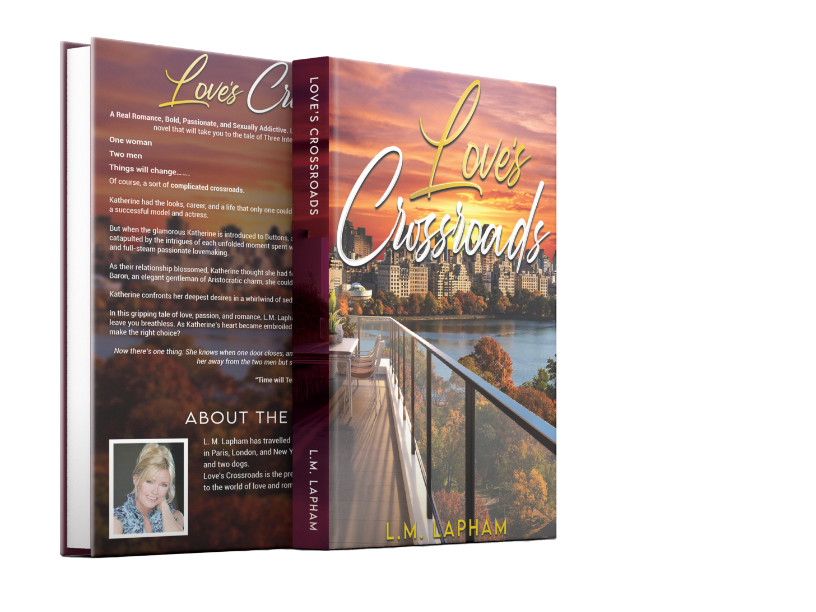
Love is one of the most universal themes in literature—an emotion that connects us all, regardless of age, background, or life experience. A well-told romantic love story has the power to captivate readers, evoke deep emotions, and offer insight into the complexities of relationships. These narratives often illuminate aspects of vulnerability, commitment, personal growth, and the courage it takes to open one’s heart.
Romantic Love Story invites readers into a world where rich emotional depth, authentic characters, and heartfelt storytelling come together to create a narrative that resonates on a personal level. This book captures not just the essence of romance, but also the beauty and challenges that accompany deep human connection.
One of the greatest strengths of a good romantic narrative is its ability to foster emotional empathy. When readers follow characters as they navigate their own emotional landscapes—falling in love, confronting fears, overcoming obstacles—they are given the opportunity to reflect on their own experiences with love and connection. This emotional engagement allows readers to better understand not only others’ feelings but their own emotions as well.
Romantic stories that emphasize personal growth also encourage readers to think about how relationships influence identity and self-discovery. Love, in its many forms, often challenges individuals to grow beyond their comfort zones, reassess priorities, and develop a deeper understanding of themselves and others. A well-crafted romantic narrative can inspire readers to explore the balance between independence and connection, passion and patience, desire and understanding.
Another powerful element of romantic literature is its ability to illustrate the complexities of communication and trust. Characters in these stories often learn how to communicate honestly, navigate misunderstandings, and build trust through conflict and resolution. These lessons, though fictional, mirror real-life challenges and can help readers recognize the importance of open dialogue and mutual respect in their own relationships.
Books centered around love and human connection also provide readers with moments of comfort and inspiration. Whether a story unfolds slowly, delicately exploring the nuances of feelings, or sweeps readers into a passionate whirlwind, romantic narratives create an emotional experience that resonates long after the final page is turned. These stories remind us of the beauty of connection and the ways in which shared experiences shape our lives.
Beyond emotional resonance, romantic love stories also encourage readers to consider broader themes such as commitment, resilience, and sacrifice. Characters often face tough choices, navigate misunderstandings, and learn to reconcile differences with compassion and grace. As readers witness these journeys, they are inspired to reflect on their own values and choices, gaining insight into the dynamics of healthy and meaningful relationships.
Shared reading experiences further amplify the impact of romantic literature. Partners, friends, book clubs, and classes can explore these narratives together, creating conversations about love, connection, emotional vulnerability, and life choices. These discussions deepen relationships, broaden empathy, and promote thoughtful dialogue around themes that are central to the human experience.
In educational settings, romantic stories remain a powerful tool for enhancing reading comprehension and emotional literacy. Students who engage with narratives that highlight emotional development and relational dynamics build critical thinking skills, empathy, and cultural awareness. These literary experiences support both academic learning and personal growth, making them valuable across age groups.
Reading romantic literature also strengthens imagination and critical reflection. As readers immerse themselves in character motivations and emotional arcs, they begin to anticipate outcomes, interpret subtle cues, and reflect on narrative choices. This active engagement fosters mental flexibility and thoughtful analysis—skills that are beneficial in both literary contexts and everyday life.
Unlike short snippets of digital content that often move quickly and demand fleeting attention, romantic novels allow readers to slow down and savor emotional richness, character development, and thematic depth. This slower pace creates a space for introspection and connection, transforming reading from a pastime into a meaningful journey.
In conclusion, Romantic Love Story offers readers a heartfelt exploration of love, growth, and human connection. Through authentic characters and emotionally resonant storytelling, this narrative inspires readers to reflect on the nature of relationships, personal transformation, and the power that love holds in shaping our lives. Whether you are a longtime fan of romantic literature or exploring the genre for the first time, stories like this remind us that love remains one of the most compelling and universal forces in storytelling.
