

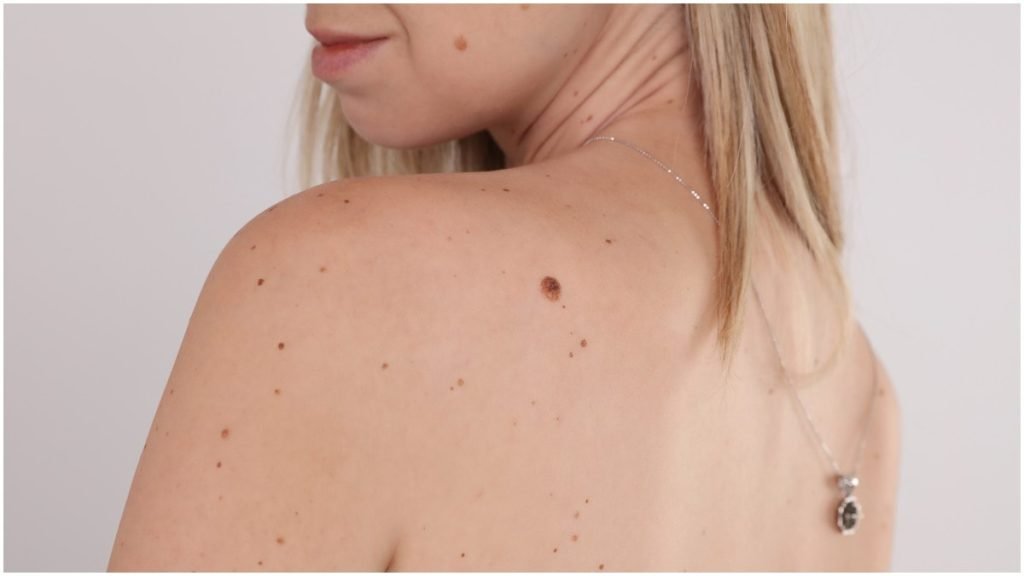
Skin tags are small, harmless skin growths that commonly appear on the neck, underarms, eyelids, groin, or under the breasts. Although they are non-cancerous and painless, many people choose to remove them for cosmetic reasons, irritation, or hygiene. One of the most frequently asked questions is about the skin tag removal price and what affects the cost.
This comprehensive article provides an in-depth overview of pricing, treatment methods, clinic options, and what to expect before and after the procedure.
What Are Skin Tags and Why Do They Appear?
Skin tags, medically known as acrochordons, are soft pieces of skin attached to the body by a thin stalk. They often form in areas where skin rubs against skin or clothing. Hormonal changes, genetics, obesity, friction, and age can all contribute to their development.
Though harmless, many individuals feel self-conscious about them, especially when they appear in visible areas like the face or neck. Others choose removal because the skin tag becomes irritated when it gets caught on clothing or jewelry. Understanding these factors helps when estimating the skin tag removal price, as the size and location influence the method used.
How Much Does Skin Tag Removal Cost?
The skin tag removal price varies depending on:
- The number of skin tags
- Their size
- Their location on the body
- The removal method
- The clinic or dermatologist’s experience
- Geographic region
Typical price ranges:
- Small skin tag: $50 – $100
- Medium-sized skin tag: $75 – $200
- Large skin tag: $150 – $400
- Multiple skin tags: $300 – $800 (discounts often given for bulk removal)
Cosmetic removal is usually not covered by insurance, which is why prices vary between clinics. Medical removal for irritated or painful skin tags may, in rare cases, be partially covered depending on the healthcare provider.
Different Skin Tag Removal Methods and Their Costs
There is no one-size-fits-all solution. The skin tag removal price depends heavily on which method is selected. Below are the most common options.
1. Cryotherapy (Freezing)
Cryotherapy involves applying liquid nitrogen to freeze the skin tag, causing it to fall off within a few days.
Cost: $75 – $200 per tag
Cryotherapy is quick, effective, and requires no downtime. It is widely used for small to medium tags.
2. Cauterization (Burning)
This method uses heat or electrical current to burn off the skin tag. The procedure seals the skin quickly, reducing bleeding.
Cost: $100 – $250 per tag
It is often used for thicker or more stubborn skin tags.
3. Excision (Cutting Off)
A dermatologist numbs the area and removes the skin tag using sterile surgical scissors or a scalpel.
Cost: $100 – $400
Excision is usually recommended for larger skin tags or those that cannot be frozen effectively. Since it is precise, it may have a higher skin tag removal price.
4. Laser Treatment
Laser removal is one of the most modern options. A focused beam of light vaporizes the skin tag without touching the surrounding skin.
Cost: $150 – $500
Laser removal is popular for facial skin tags due to its precision and minimal scarring.
5. Home Removal Kits
Over-the-counter solutions include freezing sprays, tying bands, or herbal formulas.
Cost: $20 – $60
While cheaper, home methods can be risky if the skin tag is large, near sensitive areas, or shows unusual appearance. Dermatologists strongly recommend professional removal for anything irregular.
What Determines the Skin Tag Removal Price?
Several factors influence the final cost:
Size of the Skin Tag
Larger tags require more time, numbing, and a more careful removal technique.
Location of the Skin Tag
Difficult areas like eyelids, groin, and underarms may increase the skin tag removal price due to added precision.
Number of Tags
Most clinics offer discounted packages for removing multiple skin tags in one session.
Dermatologist vs. Cosmetic Clinic
Board-certified dermatologists may charge more because they offer medical-grade safety and expertise.
Equipment Used
Laser removal or advanced cauterization technology often comes at a premium.
Is Skin Tag Removal Painful?
Most procedures involve little to no pain. Dermatologists commonly use numbing creams or local anesthesia for larger skin tags. Cryotherapy may cause mild stinging, while cauterization might create a warm sensation.
Pain is usually minimal and disappears quickly.
What Happens After Removal?
Aftercare is important to prevent infection and promote healing. Most patients only experience mild redness or a small scab that falls off within a week or two. The treated area should be kept clean and dry, and sun exposure should be avoided.
Healing time depends on the method and the size of the skin tag, but recovery is generally fast.
Are There Risks or Side Effects?
Professional removal is safe, but minor side effects may include:
- Redness
- Scabbing
- Temporary skin discoloration
- Mild swelling
Serious complications are extremely rare when performed by a trained specialist.
Why Professional Removal is Worth the Cost
Although home remedies may be cheaper, professional removal offers the following advantages:
- Lower risk of infection
- Accurate identification of abnormal growths
- Minimal scarring
- Quick and painless procedures
- Permanent removal with little risk of recurrence
Given these benefits, the skin tag removal price is often considered a worthwhile investment.
Final Thoughts
Skin tag removal is a simple and safe procedure that can enhance comfort, hygiene, and confidence. The skin tag removal price varies depending on the method, size, and location, but most treatments are affordable and quick. With several different removal options available—from cryotherapy to laser—patients can choose the method that best suits their needs and budget.
