

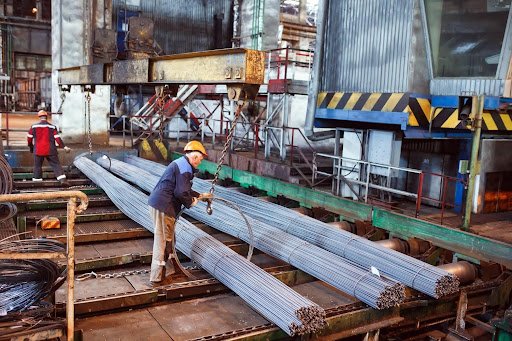
Steel plays an indispensable role in modern construction and industrial projects due to its durability, strength, and adaptability. Steel fabrication in Dubai is the process of transforming raw steel materials into precise structural components that meet specific design requirements. This process extends beyond simple cutting or welding; it involves strategic planning, advanced machinery, and technical expertise to ensure both structural integrity and efficiency. In the construction landscape, projects demand not only high-quality steel components but also solutions that optimize time, minimize waste, and ensure safety. From skyscrapers to industrial plants, precision in fabrication is critical for project success. The evolution of fabrication techniques, incorporating computer-aided design (CAD), robotics, and automated processes, has redefined how engineers and contractors approach steel as a construction material.
This blog delves into the key processes, methods, and best practices that define modern fabrication, offering actionable insights for industry professionals and decision-makers seeking reliable, long-term solutions.
Essential Steel Fabrication Processes
The processes collectively form the backbone of fabrication for steel, transforming raw steel into functional, precise, and durable components. Effective execution of each stage is critical to ensuring both safety and performance in the final structure.
- Cutting and Shaping: High-precision cutting tools and CNC machinery allow fabricators to cut steel into exact dimensions required for each project. Accurate cutting reduces material waste and ensures a seamless fit during assembly. Laser cutting, plasma cutting, and water jet technology are commonly employed to achieve clean and precise edges. These techniques allow intricate designs and complex geometries that were previously impractical with traditional tools.
- Forming and Bending: Once cut, steel components may require shaping to meet design specifications. Press brakes, rollers, and hydraulic machines bend steel without compromising strength. Forming ensures that structural elements align perfectly during installation, enhancing both safety and efficiency.
- Welding and Joining: Welding is crucial for creating permanent connections between steel components. Various methods, including MIG, TIG, and arc welding, are used based on the material thickness and intended load. Quality welding not only enhances structural stability but also ensures compliance with safety standards.
- Surface Treatment: Steel surfaces are often treated to improve durability and resistance to corrosion. Methods such as galvanization, powder coating, and sandblasting protect components from environmental stressors, extending the lifespan of the structure.
Advanced Methods in Steel Fabrication
Adopting these advanced methods elevates fabrication from a manual trade to a technology-driven process. Companies leveraging such innovations gain competitive advantages, delivering faster, safer, and more precise outcomes.
- Computer-Aided Design (CAD): CAD software allows engineers to create detailed digital models of steel structures. This method reduces errors, streamlines planning, and improves communication between designers, fabricators, and contractors. Models can simulate stress, load distribution, and thermal expansion, ensuring components perform optimally in real-world conditions.
- Automated Fabrication: Robotics and automation are increasingly integrated into fabrication workshops. Automated welding, cutting, and assembly systems boost precision while reducing manual errors. They also shorten production cycles, enabling faster delivery of steel components for large-scale projects.
- Modular Fabrication: Modular fabrication involves producing pre-assembled steel sections off-site. These modules are later transported to construction sites for rapid installation. Modular methods enhance efficiency, reduce on-site labor, and minimize project delays, making them particularly suitable for high-rise buildings and industrial complexes.
- Laser Profiling and Measurement: Advanced laser technologies ensure components are measured and cut with extreme accuracy. Laser profiling allows for complex angles and shapes that maintain structural integrity without requiring extensive post-processing.
Material Selection and Quality Control
Rigorous material selection and quality control guarantee that fabricated steel performs reliably over time. Professionals who prioritize these aspects not only deliver safer structures but also enhance their reputation in the industry.
- Choosing the Right Steel Grade: The strength, durability, and corrosion resistance of steel vary across grades and alloys. Engineers must select the appropriate type of steel based on environmental conditions, load-bearing requirements, and project longevity.
- Inspection and Testing: Quality control begins with inspecting raw materials and continues through fabrication. Techniques such as ultrasonic testing, radiography, and visual inspections detect structural defects before assembly, ensuring reliability.
- Compliance with Standards: Adhering to international and regional standards, such as ASTM, ISO, or local building codes, ensures steel components meet legal and safety requirements. Compliance minimizes project risks and avoids costly delays or structural failures.
- Documentation and Traceability: Keeping records of materials, processes, and inspections ensures accountability and facilitates future maintenance. Traceable documentation is essential for high-profile or industrial projects where safety and certification are critical.
Best Practices for Efficient Steel Fabrication
Following these best practices streamlines operations, improves safety, and enhances the quality of the final product. They are fundamental for fabricators aiming to maintain high standards while meeting project deadlines.
- Early Design Integration: Engaging fabricators during the design phase improves constructability and reduces later adjustments. Early involvement ensures that designs are practical, cost-effective, and compliant with fabrication capabilities.
- Optimizing Material Usage: Advanced planning and cutting strategies reduce steel wastage. Nesting software can maximize sheet utilization, lowering costs and promoting sustainable practices.
- Skilled Workforce Training: Investing in skilled fabricators ensures that workers can handle complex machinery, welding techniques, and quality inspection procedures. Continuous training programs keep teams updated on evolving industry standards.
- Safety Protocols: Implementing strict safety measures during fabrication protects personnel and ensures consistent output quality. Proper PPE, hazard awareness, and safety audits are integral to best practice workflows.
Final Thoughts
Understanding the processes, methods, and best practices of steel fabrication is crucial for delivering safe, durable, and high-quality structures. From precision cutting and welding to advanced automation and quality control, every stage of fabrication contributes to the integrity of the final product. By adopting modern technologies, sustainable practices, and rigorous safety protocols, fabricators can meet increasing industry demands while ensuring efficiency and reliability. For organizations seeking expertise in this domain, engaging with seasoned professionals ensures that projects are executed with precision and confidence.
For trusted solutions in fabrication, Morshedi provides comprehensive end-to-end services that seamlessly integrate technical expertise, advanced fabrication methods, and stringent quality assurance protocols. With a commitment to precision, efficiency, and innovation, it delivers reliable steel components tailored to the unique demands of modern construction and industrial projects. Connecting with Morshedi ensures consistent performance, durability, and professionalism across every stage of the fabrication process.
