

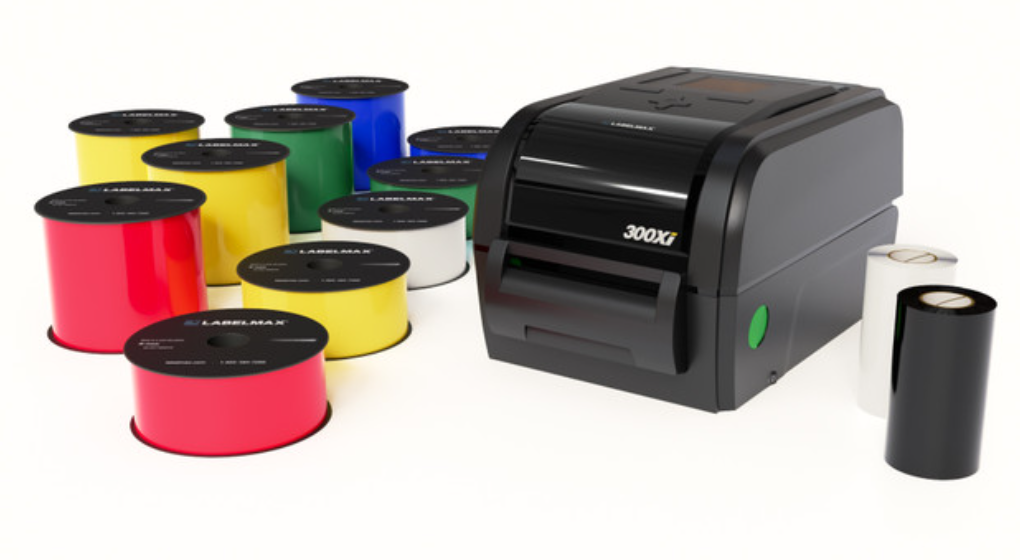
In today’s fast-moving business environment, efficiency and organization are critical for success. One tool that often goes unnoticed—but plays a vital role—is the labeling printer. From managing inventory to ensuring safety compliance and improving branding, the right labeling solution can significantly streamline operations. This guide will help you understand labeling printers and choose the best option for your business needs.
Understanding Labeling Printers
A labeling printer is a specialized device designed to produce labels for various applications such as product identification, barcoding, shipping, and compliance labeling. Unlike standard printers, these machines are built to handle different label materials, adhesives, and printing demands, making them essential for industries like retail, manufacturing, logistics, and healthcare.
Types of Labeling Printers
Thermal Printers
Thermal printers are among the most widely used labeling solutions. They use heat to transfer images onto labels, eliminating the need for ink or toner.
Direct Thermal Printing
This method uses heat-sensitive paper to create labels. It’s ideal for short-term use, such as shipping labels or receipts.
Thermal Transfer Printing
This process uses a ribbon to produce more durable labels that resist heat, moisture, and chemicals—perfect for long-term applications.
Industrial Printers
Industrial labeling printers are built for high-volume, heavy-duty operations. They are designed to run continuously and produce durable labels in demanding environments such as warehouses and manufacturing plants.
Desktop and Compact Printers
These are smaller, cost-effective options suitable for offices, small businesses, or low-volume printing needs. They offer convenience without requiring large amounts of space.
Custom Label Printers
Custom label printers are ideal for businesses focused on branding and product presentation. They allow you to print high-quality, personalized labels with logos, colors, and unique designs.
Why Businesses Need Labeling Printers
Improved Efficiency and Organization
Labeling printers make it easier to track products, organize inventory, and manage workflows. Clear labeling reduces confusion and speeds up daily operations.
Enhanced Safety Compliance
In industries such as construction, manufacturing, and chemicals, proper labeling is essential for safety. Labeling printers help ensure compliance with regulations by producing accurate and durable warning and instruction labels.
Stronger Branding
Custom labels improve product presentation and brand recognition. Professionally printed labels create a polished look that builds trust with customers.
Choosing the Right Labeling Printer
Selecting the right printer depends on your business requirements and operational scale.
Volume and Speed Requirements
High-volume environments benefit from industrial printers that can handle continuous printing. Smaller businesses may find desktop printers sufficient for their needs.
Label Durability
Consider the environment where labels will be used. If labels are exposed to heat, moisture, or chemicals, thermal transfer printers are a better choice for long-lasting results.
Connectivity and Integration
Modern labeling printers often support USB, Wi-Fi, or network connections. Choosing a printer that integrates with your existing systems can improve workflow efficiency.
Customization Needs
If branding is important, choose a printer that supports color printing and custom label design. This is especially useful for retail and product packaging.
Budget Considerations
While upfront costs vary, it’s important to consider long-term value. Investing in a reliable printer can reduce maintenance, improve productivity, and lower overall costs over time.
Future Trends in Labeling Solutions
Sustainable Labeling
Businesses are moving toward eco-friendly materials and energy-efficient printers to reduce environmental impact.
Smart Integration and IoT
Labeling printers are increasingly integrating with business systems and IoT devices, enabling real-time tracking, automation, and improved data management.
Advanced Customization
New technologies are allowing for more detailed and personalized label designs, helping businesses stand out in competitive markets.
Automation and AI
Automation is improving labeling accuracy and speed, while AI-driven systems can optimize printing processes and reduce errors.
Conclusion
Labeling printers are essential tools for businesses aiming to improve efficiency, maintain compliance, and enhance branding. By understanding the different types of printers and evaluating your specific needs, you can choose a solution that supports both your current operations and future growth.
