

In an era dominated by sleek tablets and ultra-portable laptops, the desktop computer remains the undisputed powerhouse of the digital world. Whether you are a professional video editor, a competitive gamer, or a business owner managing complex data, the “desktop computer” continues to offer a level of performance, longevity, and value that mobile devices simply cannot match.
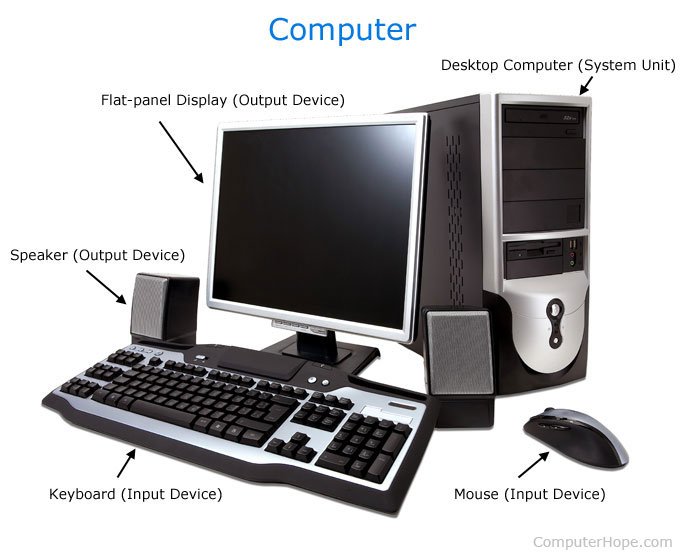
This guide explores why the desktop computer remains a vital tool in 2026, how to choose the right one for your needs, and how modern software solutions are bridging the gap between hardware and high-level productivity.
Why the Desktop Computer Still Reigns Supreme
While mobility is a significant advantage for laptops, the stationary nature of a desktop computer allows for several engineering benefits that translate directly into a better user experience.
1. Unmatched Power and Thermal Management
The larger chassis of a desktop allows for superior cooling systems. High-end CPUs and GPUs generate significant heat; in a cramped laptop shell, these components often “throttle” or slow down to prevent overheating. In a desktop, large fans and liquid cooling systems allow hardware to run at peak speeds indefinitely.
2. Ergonomics and Productivity
Working on a desktop computer naturally encourages better posture. With the ability to mount multiple large monitors at eye level and use a full-sized mechanical keyboard, users can work for longer periods with less physical strain. Studies consistently show that multi-monitor setups, typically powered by desktops, can increase productivity by up to 40%.
3. Longevity and Upgradability
Perhaps the greatest advantage of the desktop is its modularity. If your computer starts feeling slow after three years, you don’t need to buy a whole new machine. You can simply add more RAM, swap out the graphics card, or add a faster SSD. This makes the desktop computer a far more sustainable and cost-effective long-term investment.
Choosing the Right Desktop for Your Lifestyle
Not all desktops are built the same. Understanding your primary use case is essential before making a purchase.
The Workstation
For engineers, architects, and data scientists, a workstation is a specialized desktop computer designed for technical or scientific applications. These machines often feature ECC (Error Correction Code) memory and multi-core processors like the AMD Threadripper or Intel Xeon, capable of handling massive datasets and complex simulations.
The Gaming Rig
Gaming desktops focus heavily on the Graphics Processing Unit (GPU). With the rise of 4K gaming and real-time ray tracing, these machines require high-wattage power supplies and specialized cooling. They are also the most common “custom-built” PCs, where enthusiasts hand-pick every component.
The All-in-One (AiO)
For those who value aesthetics and desk space, the All-in-One—where the computer components are built directly into the monitor—is an excellent choice. While less upgradable than a traditional tower, models like the iMac or Microsoft Surface Studio offer stunning displays and a clutter-free environment.
The Role of Software in the Desktop Ecosystem
Hardware is only half of the equation. To truly unlock the potential of a desktop computer, you need optimized software and a robust digital presence. This is particularly true for businesses that rely on their computing power to reach customers.
In the modern marketplace, having a powerful desktop is the first step; the second is ensuring your digital infrastructure is just as strong. For companies looking to scale their digital reach, Tecisoft provides the essential software development and digital marketing expertise needed to turn high-powered hardware into high-growth results. From custom web applications to comprehensive SEO strategies, the synergy between your physical tools and your digital strategy is what defines success in the current economy.
Maintenance: Keeping Your Desktop Running Like New
To ensure your desktop computer lasts a decade or more, regular maintenance is required.
- Dusting: Every six months, use compressed air to clean out the dust from the intake filters and fans. Dust buildup is the leading cause of component failure.
- Cable Management: Proper cable routing isn’t just for looks; it improves airflow inside the case, keeping temperatures lower.
- Software Hygiene: Periodically clear out your “Startup” programs. Too many apps launching at boot can make even the fastest i9 processor feel sluggish.
The Future of the Desktop: AI and Beyond
We are currently witnessing a massive shift in desktop computing with the integration of NPU (Neural Processing Unit) hardware. Future desktop computers will not just be “calculators” but proactive assistants. We are moving toward a world where your desktop can locally process complex AI tasks—like video upscaling or real-time language translation—without needing to send data to the cloud.
This shift toward “Edge AI” means that the desktop computer is becoming more relevant, not less. As AI models grow in complexity, the local processing power provided by a desktop’s dedicated hardware will be the only way to run these tools privately and at high speeds.
Building vs. Buying: Which is Right for You?
The “Build vs. Buy” debate has existed as long as the desktop computer itself.
- Buying Pre-built: This is the best route for most users and businesses. It comes with a single warranty for the whole machine, professional cable management, and “plug-and-play” simplicity.
- Building Custom: This is for the enthusiast who wants to know their machine inside and out. It allows for total control over every brand and spec, and it is often the most rewarding way to own a computer.
Conclusion
The desktop computer remains the cornerstone of the modern digital life. It is the place where the world’s greatest films are edited, where the most complex software is coded, and where the most immersive games are played. While laptops and phones are great for consumption, the desktop is—and will likely remain—the ultimate tool for creation.
By investing in a high-quality desktop and pairing it with the right digital partners and software, you ensure that your capabilities are never limited by your hardware. Whether you are a solo creator or a growing enterprise, the power of the desktop is the engine that drives modern innovation forward.
