

The modern workplace has evolved into more than a place where tasks are completed and meetings are held. It is now a reflection of organizational values, employee well-being, and brand reputation. In this new environment, cleanliness is not merely about appearances—it is a strategic priority. Offices today expect far more from cleaning providers than routine sweeping and dusting. They demand accountability, advanced sanitation protocols, and a proactive approach to workplace hygiene.
As businesses adapt to heightened health awareness and employee expectations, cleaning companies must redefine their service models. The new standard of workplace hygiene is rooted in precision, transparency, and long-term preventive strategies that protect both people and productivity.
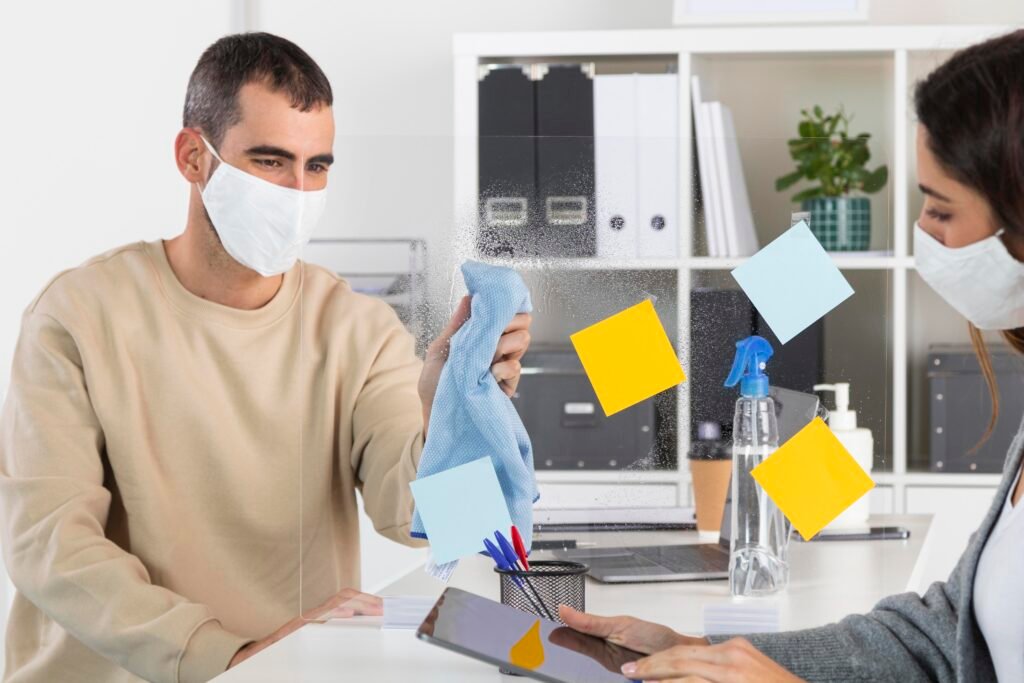
A Shift From Basic Cleaning to Strategic Hygiene Management
For decades, office cleaning focused on visible tidiness—polished floors, empty trash bins, and sanitized restrooms. While these fundamentals remain essential, organizations now view cleaning as part of a broader risk-management and employee-experience strategy. This shift has transformed cleaning companies into hygiene partners rather than vendors.
Employers expect cleaning teams to understand high-touch surface protocols, indoor air quality considerations, and cross-contamination prevention. Regular disinfection schedules, documentation of cleaning procedures, and trained staff are no longer optional—they are standard requirements. Businesses seek cleaning providers that can align their services with corporate health policies, environmental goals, and operational continuity plans.
In competitive markets, companies searching for janitorial cleaning services in Oakville or a commercial cleaning company in Toronto are not simply comparing prices. They are evaluating reliability, certifications, and the ability to maintain a safe and hygienic workspace consistently.
Health-First Cleaning Protocols
The new workplace hygiene standard is driven by health-first thinking. Offices want cleaning companies to implement structured protocols that reduce the spread of illness and maintain a healthier environment for employees and visitors.
Key expectations include:
- High-touch surface disinfection: Door handles, elevator buttons, shared desks, and meeting room equipment must be disinfected multiple times throughout the day.
- Restroom sanitation excellence: Restrooms are high-traffic areas that demand continuous monitoring, replenishment, and deep cleaning.
- Air quality support: Cleaning providers are expected to coordinate with HVAC maintenance schedules and use products that do not compromise indoor air quality.
- Daytime cleaning visibility: Many organizations now prefer daytime cleaning so employees can see hygiene measures being performed in real time.
This proactive approach reassures employees and clients that the workplace is being maintained to professional health standards. Companies relying on janitorial cleaning services in Oakville often prioritize providers who can implement these protocols with measurable outcomes.
Technology-Driven Cleaning Solutions
Technology is playing a significant role in redefining workplace hygiene expectations. Offices are increasingly looking for cleaning companies that use data-driven tools and advanced equipment to enhance efficiency and transparency.
Examples of modern cleaning technology include:
- Electrostatic sprayers for comprehensive disinfection coverage.
- UV-C sanitization devices for targeted germ reduction.
- Digital checklists and reporting apps that track completed tasks.
- Smart sensors in restrooms and common areas to monitor usage and cleanliness needs.
These tools provide measurable proof of service delivery. Facility managers can review reports, verify cleaning schedules, and ensure compliance with internal standards. A reputable commercial cleaning company in Toronto is expected to offer such innovations to remain competitive and trustworthy.
Customized Cleaning Plans for Diverse Workspaces
No two offices operate the same way. Hybrid work models, flexible schedules, and shared workstations have created new cleaning challenges. As a result, businesses now expect tailored cleaning programs that reflect their specific operational patterns.
Customization may involve:
- Adjusting cleaning frequency based on occupancy levels.
- Scheduling deep cleaning for collaborative zones.
- Providing specialized cleaning for breakrooms and wellness areas.
- Supporting after-hours or weekend sanitization.
Cleaning companies must conduct site assessments and collaborate closely with facility managers to design effective service plans. Organizations that hire janitorial cleaning services in Oakville often seek providers who can adapt quickly to changes in office usage and staffing levels.
Sustainability as a Core Expectation
Environmental responsibility has become a central consideration in workplace operations. Offices increasingly demand eco-friendly cleaning solutions that reduce environmental impact without compromising hygiene.
Sustainable cleaning practices include:
- Using non-toxic, biodegradable cleaning products.
- Implementing microfiber systems to reduce chemical usage.
- Minimizing water waste through efficient equipment.
- Supporting recycling and waste-management initiatives.
Businesses want partners who can align with their corporate sustainability goals. A forward-thinking commercial cleaning company in Toronto will highlight green certifications and environmentally responsible practices as part of its service offering.
Training and Professionalism in Cleaning Staff
The quality of cleaning services depends heavily on the training and professionalism of staff. Offices now expect cleaning teams to be knowledgeable, uniformed, and well-trained in modern hygiene standards.
Professional cleaning companies invest in:
- Health and safety training.
- Proper chemical handling procedures.
- Customer service and communication skills.
- Continuous education on industry best practices.
Employees and visitors interact with cleaning staff regularly, so professionalism directly impacts workplace perception. Organizations that partner with janitorial cleaning services in Oakville look for teams that demonstrate reliability, discretion, and consistency.
Transparency and Accountability
Transparency has become a defining factor in the new standard of workplace hygiene. Offices want clear communication and verifiable results from their cleaning providers.
Key transparency measures include:
- Detailed cleaning schedules and service agreements.
- Performance audits and quality checks.
- Digital reporting systems.
- Responsive customer support.
Facility managers expect immediate resolution of issues and clear documentation of completed tasks. A reputable commercial cleaning company in Toronto will provide structured reporting and maintain open lines of communication to build long-term trust.
The Role of Cleaning in Employee Experience
A clean office directly influences employee morale, productivity, and retention. Workers are more likely to feel valued and comfortable in a hygienic environment. As organizations compete for talent, workplace cleanliness has become a key component of the employee experience.
Modern employees notice details such as:
- Clean and organized workstations.
- Sanitized shared spaces.
- Fresh air and pleasant scents.
- Well-maintained restrooms and kitchens.
Companies that invest in high-quality cleaning services demonstrate their commitment to employee well-being. This is why many businesses prioritize professional providers when searching for janitorial cleaning services in Oakville or a dependable commercial cleaning company in Toronto.
Future Trends in Workplace Hygiene
The expectations placed on cleaning companies will continue to evolve. Future trends suggest a deeper integration of technology, sustainability, and preventive health measures.
Emerging developments may include:
- Increased use of automation and robotics.
- Real-time cleanliness monitoring systems.
- Greater emphasis on wellness-focused environments.
- Expanded training in infection-control practices.
Cleaning companies that embrace these trends will be better positioned to meet the growing demands of modern offices.
Conclusion
The new standard of workplace hygiene is defined by precision, transparency, and proactive care. Offices now expect cleaning companies to deliver more than surface-level cleanliness—they require strategic hygiene management that supports health, productivity, and corporate reputation.
From advanced sanitation protocols to customized service plans and sustainable practices, the role of cleaning providers has expanded significantly. Businesses seeking janitorial cleaning services in Oakville or a reliable commercial cleaning company in Toronto are looking for partners who can meet these elevated expectations with professionalism and expertise.
In today’s competitive business landscape, cleanliness is no longer a background function. It is a visible, measurable, and essential component of a thriving workplace. Cleaning companies that adapt to this new standard will not only meet client expectations but also help shape healthier, more resilient office environments for the future.
