

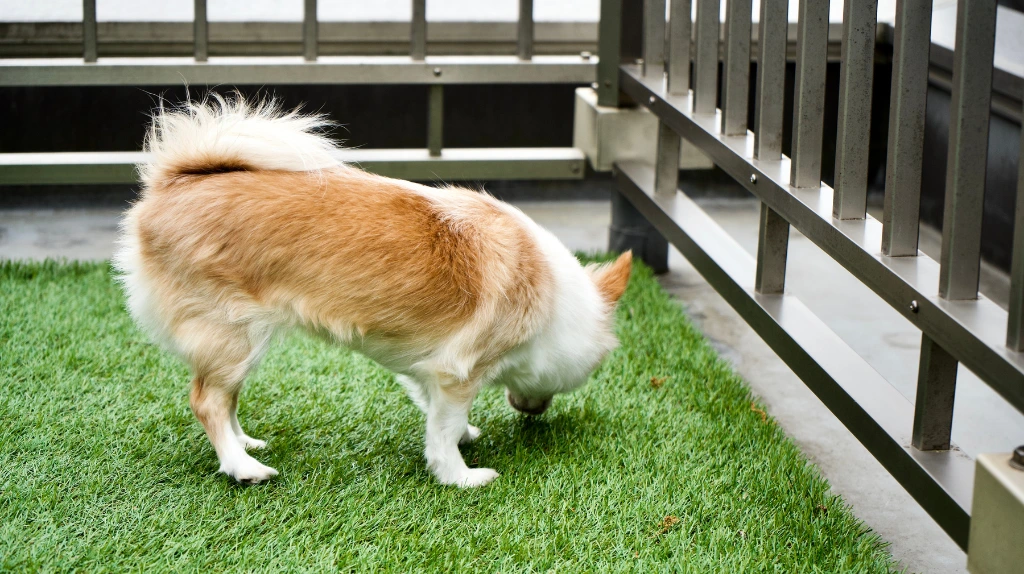
For dog owners, keeping a natural lawn healthy can feel like an impossible task. Constant running, digging, urine spots, and muddy paws often leave real grass damaged and unsightly. This is where artificial grass has emerged as a practical and pet-friendly solution. Designed to be durable, low-maintenance, and safe for pets, artificial turf offers a clean and reliable alternative to traditional lawns.
This ultimate guide covers everything you need to know about artificial grass for dogs — from its benefits and key features to installation tips, maintenance, and potential drawbacks.
What Is Artificial Grass for Dogs?
Artificial grass for dogs is a specially designed synthetic turf made to handle the wear and tear caused by pets. Unlike decorative artificial grass, pet turf focuses on durability, drainage, hygiene, and comfort. It is commonly used in backyards, patios, balconies, dog runs, and even indoor potty areas.
High-quality pet turf mimics the look and feel of natural grass while offering superior resistance to damage caused by claws, urine, and heavy foot traffic.
Benefits of Artificial Grass for Dogs
1. Exceptional Durability
Dogs love to play, sprint, and wrestle, which can quickly destroy natural grass. Artificial turf is built to withstand constant use without developing bare spots or muddy areas. It remains intact even in high-traffic zones where dogs frequently run or rest.
2. No Mud, No Mess
One of the biggest advantages of artificial grass is eliminating mud. Rain or watering won’t turn your yard into a muddy disaster, which means fewer dirty paws entering your home and less cleaning for you.
3. Safe and Non-Toxic
Pet-friendly artificial grass is made using non-toxic materials and does not require fertilizers, pesticides, or herbicides. This creates a safer environment for dogs who like to roll, sniff, or lounge on the grass.
4. Improved Hygiene
Artificial grass makes waste management easier. Solid waste can be picked up easily, while liquid waste drains through the turf backing. With proper drainage and routine rinsing, the surface stays cleaner and more hygienic than natural grass.
5. Allergy and Pest Reduction
Artificial turf does not produce pollen and does not provide a natural habitat for fleas or ticks. This can be especially beneficial for dogs with allergies or sensitive skin.
6. Year-Round Green Lawn
Unlike real grass, artificial turf stays green and usable throughout the year. It does not die in extreme heat, heavy rain, or cold weather, giving your dog a consistent outdoor surface in all seasons.
Key Features to Look for in Artificial Grass for Dogs
Not all artificial grass is suitable for pets. When choosing the right turf, consider the following factors.
Drainage System
Proper drainage is essential. Look for artificial grass with perforated or fully permeable backing that allows urine and water to drain quickly. Good drainage prevents puddles, bacteria buildup, and lingering odors.
Pile Height
Short to medium pile heights, typically between 20mm and 30mm, are ideal for dogs. Shorter blades are easier to clean and less likely to trap waste while still being comfortable for paws.
Density and Stitch Rate
Dense turf with tightly stitched fibers resists flattening and wear. This is important for active dogs who frequently run over the same areas.
Material Quality
Soft yet durable fibers such as polyethylene provide comfort and resilience. Avoid low-quality plastic grass that can feel rough or break down quickly.
Odor Control Features
Some pet turf options include antimicrobial or odor-resistant technology. While not required, these features can help reduce smells in areas where dogs urinate frequently.
UV Resistance
UV-stabilized turf prevents fading and material breakdown from sun exposure, ensuring long-term performance and appearance.
Best Uses for Artificial Grass for Dogs
Artificial grass is highly versatile and can be used in many settings, including:
- Backyards and gardens
- Dog runs and play areas
- Patios and decks
- Balconies and terraces
- Indoor potty training zones
- Kennels and pet facilities
Its adaptability makes it suitable for both large outdoor spaces and compact urban homes.
Installation Tips for Dog-Friendly Turf
Proper installation is critical for performance and hygiene.
- Prepare the base by removing existing grass and leveling the area.
- Install a solid base layer such as crushed stone or compacted sand to support drainage.
- Ensure proper slope so liquids drain away naturally.
- Secure the turf edges to prevent lifting or shifting during play.
While small projects can be done as DIY installations, larger or permanent areas often benefit from professional installation to ensure proper drainage and longevity.
How to Maintain Artificial Grass for Dogs
Artificial grass requires far less maintenance than natural lawns, but regular care keeps it fresh and odor-free.
- Remove solid waste promptly
- Rinse the surface weekly with water
- Use pet-safe enzymatic cleaners when needed
- Brush fibers occasionally to keep them upright
With basic maintenance, artificial turf can last many years while remaining clean and functional.
Potential Drawbacks and How to Manage Them
Heat Retention
Artificial grass can become warm in direct sunlight. Providing shade, choosing lighter-colored turf, or lightly spraying the surface with water can help keep it cool.
Initial Cost
Artificial turf has a higher upfront cost than natural grass, but it saves money over time by eliminating watering, fertilizers, lawn repairs, and reseeding.
Odor Without Maintenance
Poor drainage or infrequent cleaning can lead to odors. Choosing quality turf and maintaining a regular cleaning routine prevents this issue.
Final Thoughts
Artificial grass is an excellent solution for dog owners seeking a durable, clean, and low-maintenance lawn. When chosen carefully and installed correctly, it provides a safe and comfortable environment for dogs to play, relax, and relieve themselves year-round.
By focusing on proper drainage, suitable pile height, quality materials, and simple maintenance, you can enjoy a beautiful green space that works for both you and your dog. For many pet owners, artificial grass isn’t just an alternative — it’s the ultimate lawn solution.
