

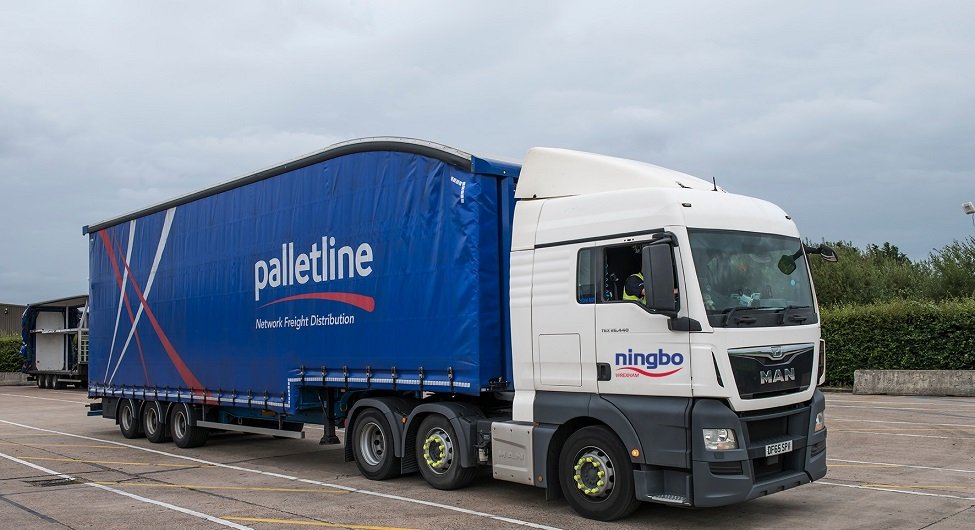
In today’s fast-moving supply chain environment, businesses across the United Kingdom depend on efficient freight solutions to keep goods moving safely and on time. One of the most reliable and cost-effective logistics models is UK palletised distribution. This system allows businesses to transport goods on pallets through structured networks, ensuring consistency, protection, and nationwide reach.
From small manufacturers to large retailers, palletised distribution has become a preferred solution for handling everything from single pallet consignments to full loads. Its flexibility and efficiency make it a critical part of modern UK logistics.
What Is Palletised Distribution?
UK Palletised Distribution refers to the transportation of goods that are securely stacked on pallets, allowing them to be handled easily using forklifts and pallet trucks. These pallets are then moved through a coordinated network of depots and hubs, enabling efficient collection, sorting, and delivery.
In the UK, palletised distribution is commonly managed through pallet networks. These networks connect independent transport companies that work together to provide national coverage while maintaining local expertise. This collaborative model reduces costs, improves delivery times, and enhances overall reliability.
Why Palletised Distribution Is Essential in the UK
The UK logistics landscape is complex, with dense urban areas, rural regions, and strict delivery time requirements. Palletised distribution is particularly well suited to this environment because it offers structured handling and predictable transit times.
By consolidating multiple consignments into shared vehicle loads, pallet networks reduce unnecessary journeys and improve efficiency. This approach supports businesses that require frequent deliveries without the expense of dedicated vehicles for every shipment.
How UK Pallet Networks Operate
UK palletised distribution typically follows a hub-and-spoke model. Local depots collect palletised freight from customers and transport it to a central hub. At the hub, pallets are sorted based on their destination and then sent to the appropriate delivery depot.
This process allows goods to move quickly across the country while maintaining clear accountability at each stage. The use of standardised operating procedures ensures consistency in handling, regardless of where the pallet enters the network.
Key Benefits for Businesses
One of the main advantages of palletised distribution is cost efficiency. Businesses only pay for the space they use, making it ideal for small and medium-sized shipments. This flexibility helps companies manage logistics budgets without compromising on service quality.
Another significant benefit is reliability. Pallet networks operate on scheduled routes and delivery timelines, which supports accurate planning and improved customer satisfaction. Consistent transit times also help reduce delays and supply chain disruptions.
Nationwide Coverage with Local Expertise
A major strength of UK palletised distribution is the balance between national reach and local knowledge. Each network member is responsible for collections and deliveries within their region, ensuring familiarity with local routes, regulations, and delivery challenges.
This local expertise improves efficiency and reduces the risk of failed deliveries. At the same time, national coordination ensures seamless movement of goods between regions, creating a unified distribution system.
Freight Security and Damage Reduction
Transporting goods on pallets provides an added layer of protection. Pallets keep products elevated and stable, reducing the risk of damage during loading, unloading, and transit. This is especially important for fragile, high-value, or bulk goods.
UK pallet networks follow strict handling guidelines to ensure freight security throughout the journey. Controlled hub environments, trained staff, and standardised processes all contribute to reduced damage rates and improved shipment integrity.
Scalability for Growing Businesses
As businesses grow, their logistics needs often become more complex. Palletised distribution offers scalability, allowing companies to increase or decrease shipment volumes without changing their logistics partner.
Whether a business ships one pallet a week or multiple pallets daily, UK pallet networks can accommodate changing demand. This scalability supports seasonal peaks, expansion into new markets, and evolving customer requirements.
Technology and Tracking in Palletised Distribution
Modern palletised distribution relies heavily on digital systems to improve visibility and efficiency. Many UK pallet networks provide tracking tools that allow customers to monitor shipments in real time.
These systems enhance transparency and help businesses plan inventory, staffing, and customer communications more effectively. For logistics providers, technology supports route optimisation, performance monitoring, and operational accuracy.
Sustainability and Environmental Impact
Sustainability is an increasingly important factor in logistics decisions. UK palletised distribution supports environmentally responsible practices by maximising vehicle utilisation and reducing empty mileage.
By consolidating freight and optimising routes, pallet networks help lower fuel consumption and carbon emissions. Many operators also invest in modern fleets and eco-friendly initiatives, aligning palletised distribution with broader sustainability goals.
Industries That Rely on Palletised Distribution
UK palletised distribution serves a wide range of industries, including manufacturing, retail, construction, food and drink, and e-commerce. Each sector benefits from the structured handling and predictable delivery schedules offered by pallet networks.
This versatility makes palletised distribution a dependable solution for businesses with diverse product types and delivery requirements.
Choosing the Right Palletised Distribution Partner
Selecting the right logistics partner is critical for long-term success. Businesses should consider factors such as network coverage, service reliability, technology capabilities, and customer support when choosing a palletised distribution provider.
A strong UK pallet network will offer consistent service levels, clear communication, and the flexibility to adapt to changing business needs.
Conclusion
UK palletised distribution plays a vital role in keeping supply chains efficient, reliable, and cost-effective. By combining national coverage with local expertise, pallet networks provide businesses with a dependable solution for transporting palletised goods across the country.
As logistics demands continue to evolve, palletised distribution remains a proven and scalable model that supports business growth, sustainability, and customer satisfaction.
