

Precision cutting plays a major role in design, signage, and material production. Anyone working with plotters quickly realizes that blade selection shapes the final result. Smooth curves, sharp corners, and accurate edges all depend on the cutting component placed inside the machine. This is where Summagraphics T Blades enter the conversation. These blades remain widely recognized for their reliable cutting performance across different materials.
Many cutting setups also include machines such as the Ioline Plotter, which rely on compatible blades for consistent performance. When blade quality aligns with machine capability, the workflow becomes smoother and the output remains predictable. A closer look at blade structure, material compatibility, and cutting precision reveals why Summagraphics T Blades continue to hold value in professional cutting environments.
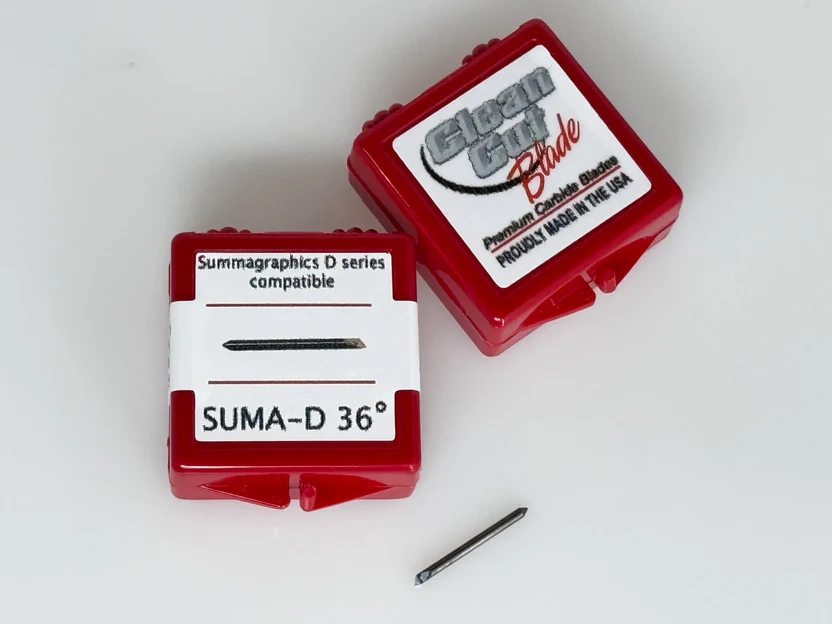
Understanding Plotter Blade Function
Plotter blades work as the core cutting element in a digital cutting system. They follow design paths created in software and translate those paths into precise cuts on materials like vinyl, paper, film, or thin plastics. Accuracy depends on blade geometry, sharpness, and alignment.
Professionals often prefer Summagraphics T Blades because their shape and edge design support-controlled movement along intricate design paths. A blade that maintains consistent contact with material reduces drag and improves edge clarity. When that level of precision exists, operators spend less time correcting errors and more time completing projects efficiently.
Why Blade Geometry Matters?
Blade angle influences how deeply and cleanly a blade enters a material surface. Angles such as 36°, 45°, or 60° serve different cutting purposes. Each angle interacts with materials in a specific way, shaping the final result.
Designers working with detailed graphics frequently choose Summagraphics T Blades designed for accurate tracking along curves and corners. A balanced blade angle reduces resistance during cutting. Less resistance supports smoother movement across the material surface, which improves both speed and finish quality.
Material Compatibility and Cutting Performance
Different materials respond differently to blade pressure and angle. Thin vinyl may require a lighter touch, while thicker films or specialty materials demand a sharper entry angle. Selecting the proper blade often determines whether edges remain crisp or appear torn.
Professionals frequently explore Summagraphics T Blades when working across multiple materials. Their structure supports controlled depth and pressure balance. This allows operators to adjust cutting settings while maintaining reliable results across projects that involve various substrates.
Precision and Edge Quality
Edge quality determines how professional a finished piece looks. Rough edges create visual distractions and may weaken adhesive materials during installation. A clean cut edge improves durability and visual clarity.
Carefully engineered Summagraphics T Blades support smoother material separation during cutting. Instead of tearing fibers or stretching thin films, the blade edge slices cleanly through the material. That type of precision often leads to better design reproduction, especially in detailed lettering or complex shapes.
Consistency in Repetitive Production
Many cutting environments involve repeated production runs. Large batches of decals, labels, or graphic elements require a blade that maintains performance throughout extended use.
Operators often turn to Summagraphics T Blades when consistency becomes a priority. Their design supports stable cutting behavior across long production cycles. When blade wear occurs gradually instead of suddenly, operators gain more predictable performance and fewer interruptions during workflow.
Blade Angles and Their Practical Roles
Different blade angles exist for different cutting challenges. A shallow blade angle typically works best for thin materials, while steeper angles handle thicker or more rigid substrates.
Professionals evaluating blade performance often rely on Summagraphics T Blades available in multiple angle options. A 36-degree blade usually supports lighter materials and fine details. A 45 degree blade balances versatility for everyday cutting. A 60-degree blade handles thicker or layered materials requiring deeper penetration.
Selecting the correct angle may improve both speed and quality during cutting tasks.
Maintaining Blade Performance
Even high-quality blades gradually lose sharpness with use. Dust, adhesive residue, and repeated contact with materials slowly affect edge precision. Regular inspection helps maintain cutting performance.
Users working with Summagraphics T Blades often follow simple maintenance habits. Keeping blade holders clean reduces friction and allows smoother rotation. Replacing worn blades at the right time protects both materials and machine components.
A well-maintained blade system supports longer machine life and better output quality.
How Blade Choice Influences Workflow?
Blade selection often affects more than cutting quality. It also shapes overall production efficiency. When a blade cuts smoothly, machines operate at optimal speed without excessive pressure adjustments.
Many professionals explore Summagraphics T Blades because reliable cutting reduces the need for repeated test cuts. A stable blade allows operators to maintain consistent settings across multiple jobs. Over time, this stability contributes to faster project completion and fewer material losses.
Precision Cutting for Detailed Designs
Detailed artwork presents unique challenges. Small lettering, narrow curves, and delicate patterns require exceptional blade control. A slight deviation may distort the design or damage thin sections of material.
Experienced operators frequently prefer Summagraphics T Blades for intricate cutting tasks. Their design supports smooth directional movement along complex paths. As a result, fine details remain sharp and legible even when designs include tight corners or overlapping lines.
Balancing Pressure and Blade Depth
Plotter cutting requires careful balance between blade exposure and cutting pressure. Too much pressure may damage material backing, while too little pressure leaves incomplete cuts.
Working with Summagraphics T Blades often allows better depth control because the blade tip interacts precisely with the material surface. This control supports cleaner separation without damaging underlying layers. Proper adjustment ensures accurate cutting while preserving material integrity.
Long Term Value of Quality Blades
Cutting components may appear small, though their impact remains significant. A well designed blade supports accuracy, reliability, and professional level output across many projects.
Many cutting professionals consider Summagraphics T Blades a dependable choice due to their balanced geometry and consistent edge performance. When blade quality aligns with machine settings and material selection, the entire cutting process becomes smoother and more predictable.
Extending Blade Life Through Smart Handling
Daily handling habits influence how long a cutting blade performs at its best. Even a high quality blade gradually loses its sharpness if dust, adhesive particles, or debris accumulate inside the blade holder. Regular cleaning keeps the blade rotating smoothly and reduces unnecessary resistance during cutting. When rotation remains smooth, the cutting path follows design lines with greater accuracy.
Many operators who work with Summagraphics T Blades focus on small maintenance routines that support long term performance. Light cleaning with compressed air or a soft brush removes debris that builds up during repeated cutting cycles. Proper storage also matters. A blade stored in a dry, protected environment maintains its edge longer. These simple practices support consistent results while reducing the frequency of blade replacement.
Improving Workflow Through Correct Blade Selection
Efficient workflow begins with selecting the right blade for the material and design complexity. Thick materials demand a different blade angle compared to delicate films or thin vinyl. Matching blade type with material thickness reduces strain on both machine and material surface.
Professionals often explore different configurations of Summagraphics T Blades to refine cutting performance across projects. A balanced blade choice allows smoother movement along design paths and reduces unnecessary pressure adjustments. Over time, this approach improves production rhythm and supports reliable results across both simple shapes and intricate designs.
Conclusion
Reliable cutting results depend on thoughtful equipment choices and proper setup. Blade design, angle selection, and maintenance all contribute to the final output quality. Professionals who understand these factors often achieve smoother workflows and cleaner finished products. Within many cutting environments, Summagraphics T Blades remain an important component supporting accurate and repeatable results.
Machines such as the Ioline Plotter often rely on compatible blade systems to maintain precision across projects. When blade quality and machine capability align, the cutting process becomes efficient, consistent, and capable of delivering detailed designs with confidence.
