

Introduction
If you ever scroll through Reddit or Quora threads about buying a home, you’ll notice how frequently people ask questions about inspections: What really happens? How much should buyers worry about the results? And how do you tell the difference between normal wear and genuine red flags? These conversations show that many first-time buyers expect a home to be flawless, while experienced owners tend to see inspection reports as educational tools rather than dealbreakers. That’s why understanding the purpose and process behind home inspections Maryland can make the home-buying journey far less confusing. Instead of treating the inspection as a pass–fail event, it helps to view it as a structured way to learn about the true condition of a property before committing to one of the biggest investments of your life.
Understanding the Purpose and Scope of a Home Inspection
Why Inspections Matter to Everyday Buyers
On community forums, the discussion around the Importance of home inspection is usually driven by real-world experiences. Buyers often share stories about discovering aging roofing, outdated wiring, moisture intrusion, or ventilation issues—things that look just fine during a quick showing. An inspection exists to shine a light on the condition of the home’s major systems and visible structural elements. It is not intended to guarantee future performance or eliminate all uncertainty. Instead, it helps buyers make informed decisions about safety, comfort, and long-term maintenance. A thoughtful inspection provides clarity in an otherwise emotional process.
What a Home Inspector Typically Evaluates
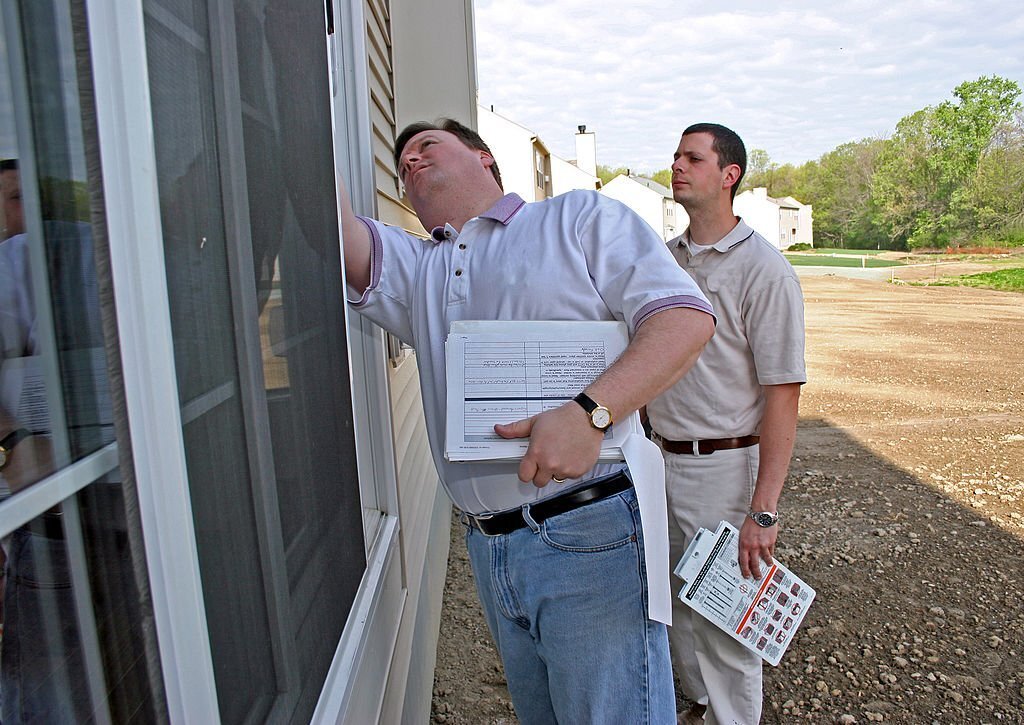
A trained home inspector performs a visual examination of accessible parts of the property. This usually includes the roof covering where visible, foundation surfaces, structure, plumbing fixtures, electrical panels and outlets, heating and cooling systems, windows, insulation, ventilation, and interior surfaces. Inspectors work as generalists rather than contractors; they identify conditions worth noting and may recommend further evaluation when needed. This is quite different from a repair estimate or engineering analysis. Many forum contributors mention that understanding this distinction early helps prevent unrealistic expectations about what an inspection can or cannot do.
Setting Realistic Expectations Before the Inspection
No house—old or new—is perfect. Inspection reports often contain a mixture of small maintenance suggestions and a handful of more serious concerns. Buyers who expect a long list of findings are often more comfortable than those who believe a “clean report” is standard. Whether a property is older or recently built, the goal isn’t to eliminate every imperfection but to understand them. That’s why people researching home inspections Maryland often describe the inspection report as a roadmap rather than a verdict.
Learning to Read and Interpret Inspection Reports
Understanding the Language Used in Reports
Inspection reports may sound technical at times, but the wording is designed to be precise rather than alarming. Terms like “recommend evaluation,” “deficiency,” or “monitoring suggested” are meant to convey risk and urgency levels. Learning how to interpret such language helps buyers avoid jumping to conclusions. Minor issues such as caulking gaps or loose fixtures are not equal to structural problems or safety hazards. Community threads repeatedly emphasize the value of slowing down, asking questions, and focusing first on items relating to safety, moisture, or structure.
Distinguishing Cosmetic Issues from Functional Concerns
One of the biggest challenges for first-time buyers is understanding which issues actually matter. Cosmetic items include worn carpeting, faded paint, or outdated décor. Functional issues include plumbing leaks, electrical hazards, and roof damage. Even small functional issues can create larger problems over time if ignored. When people discuss Professional Home Inspections company services or independent inspectors, they often highlight how useful it is to have an unbiased professional point out which issues are maintenance items and which could affect long-term value.
Considering System Age and Future Planning
A property’s major systems each have an expected lifespan. Heating systems, roofing, and water heaters eventually require replacement even if they are working at the time of inspection. Reports often note the approximate age or condition of these systems so that buyers can plan ahead. This doesn’t mean the system is failing—only that budgeting for future upgrades is wise. Many buyers report that having this foresight helps them avoid financial surprises during the early years of ownership.
What Buyers Commonly Do After Receiving Their Report
Reviewing Findings Calmly and Objectively
Online discussions repeatedly show that the first time someone reads an inspection report, they may feel overwhelmed by the number of items listed. But with perspective, most buyers realize that nearly every home contains a similar variety of observations. The most helpful strategy is to begin with the most significant concerns: safety hazards, structural issues, and active leaks. Once those are understood, the remaining items generally fall into the category of routine maintenance or optional improvement projects. This approach allows buyers to remain confident instead of anxious.
Seeking Additional Evaluation When Needed
Sometimes an inspector may recommend further evaluation by a licensed specialist such as an electrician, plumber, or structural engineer. This is simply part of the process. A generalist identifies the concern, and a specialist determines the exact cause and solution. Many online contributors mention that this two-step approach gave them peace of mind rather than worry, because each professional played a clear role in assessing the condition of the home. It’s also one reason a qualified home inspector is considered an essential resource during the transaction.
Making Informed Decisions Moving Forward
Once buyers understand the findings, they may choose to negotiate repairs, request concessions, proceed as-is, or occasionally walk away if the repairs exceed their comfort level. There is no universal right answer; decisions depend on the buyer’s budget, priorities, and plans for the home. What matters most is that the decision is informed rather than rushed. This mindset is frequently emphasized in conversations about home inspections Maryland, where preparation and understanding are valued more than perfection.
Common Myths Surrounding Home Inspections
“A Long Report Means the House Is Bad”
It’s common for buyers to panic when they see a lengthy report, but in reality, detailed inspectors simply document more thoroughly. A long list of small observations is very different from a short list of serious defects. The number of pages is not a measure of risk; the nature of the issues is what matters.
“New Homes Don’t Need Inspections”
Even new construction can contain oversights or unfinished details. Independent inspections help verify that systems function as intended and safety features are in place. Many buyers share stories of discovering small but important issues early—saving time and stress later.
Becoming a More Knowledgeable Homeowner
Treating the Report as a Learning Tool
Beyond the purchase decision itself, inspection reports help homeowners understand how their property works. They provide insight into maintenance routines, component lifespans, and potential risks. Over time, this knowledge leads to more confident and proactive ownership.
Managing Expectations About Maintenance
Every property requires ongoing care. When buyers recognize that maintenance is normal rather than problematic, the inspection becomes a helpful planning tool rather than a source of fear. This perspective is one reason discussion threads about home inspections Maryland continue to grow—people want clarity, not surprises.
Final Thoughts
Buying a home is both exciting and intimidating, and the inspection process plays a crucial role in shaping your understanding of the property you’re considering. Instead of viewing the inspection as a barrier, it helps to see it as a structured way to learn, evaluate, and prepare. When you approach the process with curiosity rather than anxiety, you’ll find that inspection reports provide invaluable insight—not only into the condition of the property but also into the responsibilities of homeownership itself. Armed with objective information and realistic expectations, you can move forward with greater confidence, knowing that your decision is grounded in knowledge rather than uncertainty.
