

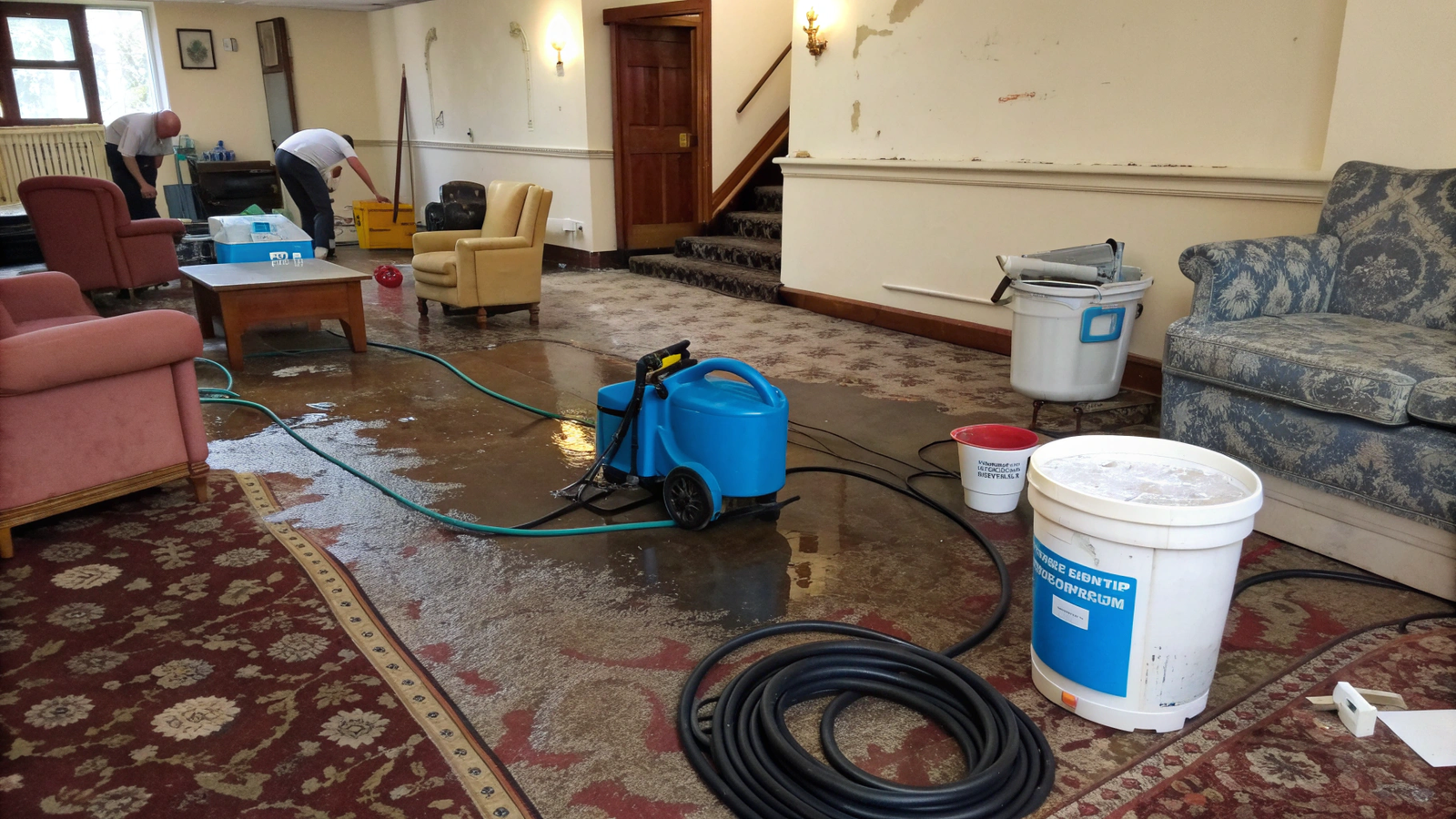
In the first hour of water damage in Alexandria, acting fast is essential to prevent swelling, delamination, and mold growth. Immediately stop the water source, shut off electricity in wet areas, and remove standing water quickly. Protect floors by removing rugs and starting airflow with fans or dehumidifiers. Move furniture to dry areas, document damage for insurance, avoid common drying mistakes, and contact a professional restoration company to reduce long-term structural and mold risks.
–
Introduction
Water damage can happen fast; a burst pipe, overflowing appliance, heavy rain, or sewage backup can flood your home or business in minutes.
If you live in Alexandria, acting quickly in the first hour is critical. That first 60 minutes often determine whether your property experiences minor moisture issues or major structural problems like:
- Swelling of wood floors and drywall
- Delamination of flooring and furniture
- Rapid mold growth within 24–48 hours
This guide explains exactly what you should do immediately to reduce damage, prevent mold, and protect your property.
Why the First Hour Matters After Water Damage
The first hour is known in restoration as the “golden hour” because water spreads aggressively through flooring layers, wall cavities, insulation, subfloor materials, and furniture and cabinetry. This is why contacting a water damage restoration Alexandria VA expert quickly is so important. The longer moisture sits, the higher the risk of wood expansion and warping, flooring adhesive breakdown, mold spores activating, and permanent structural weakening. If you respond fast, you can stop swelling and delamination before they become irreversible.
Step-by-Step: What to Do in the First Hour of Water Damage in Alexandria
1. Stop the Water Source Immediately
Your first priority is to stop more water from entering the property.
Actions to take:
- Shut off the main water valve if a pipe or appliance is leaking
- Turn off faucets or toilets overflowing
- If flooding is from rain, block entry points if safe
Stopping the source prevents further saturation and reduces swelling risk.
2. Cut Off Electricity in Wet Areas
Water and electricity are a dangerous combination.
Do this right away:
- Turn off power at the breaker if water is near outlets or appliances
- Avoid stepping into standing water if electrical systems are active
If unsure, call an emergency professional before entering.
3. Remove Standing Water as Fast as Possible
Standing water causes immediate swelling in floors and drywall.
Quick removal methods:
- Use towels or mops for small leaks
- Use a wet/dry vacuum if available
- For larger flooding, call a water damage restoration company in Alexandria immediately
The faster water is extracted, the less chance of delamination.
4. Protect Floors from Swelling and Delamination
Alexandria homes often have hardwood, laminate, or engineered flooring, all of which are vulnerable.
Why floors swell:
Water penetrates beneath surface layers, causing boards to expand.
Delamination happens when:
The glue or bonding layers in engineered flooring break apart.
Immediate floor protection steps:
- Remove wet rugs or mats
- Do not let water sit under furniture
- Begin drying airflow quickly
Delamination can start within hours if water is trapped.
5. Move Furniture and Belongings to Dry Areas
Furniture can trap moisture against flooring and accelerate damage.
In the first hour:
- Move chairs, couches, and tables off wet areas
- Place aluminum foil or wood blocks under furniture legs
- Remove wet cushions and fabrics for separate drying
This reduces both swelling and mold contamination.
6. Open Airflow Immediately (But Do It Correctly)
Air movement is essential to prevent mold, but improper airflow can spread spores.
Best actions:
- Open windows if outdoor humidity is low
- Turn on fans to circulate air
- Use dehumidifiers if available
Avoid blasting air into heavily contaminated water areas (like sewage).
7. Remove Wet Drywall or Insulation If Necessary
Drywall absorbs water like a sponge and begins swelling rapidly.
Signs drywall is saturated:
- Bubbling paint
- Soft spots
- Warping or discoloration
If water reaches the drywall, professionals may need to perform a flood cut within 24 hours.
Early action prevents mold colonies inside wall cavities.
8. Document the Damage for Insurance
Before major cleanup or disposal, capture evidence.
Take photos of:
- Standing water
- Damaged flooring
- Wet furniture
- Wall staining
Alexandria insurance claims often require immediate proof of loss.
9. Avoid Common Mistakes That Make Damage Worse
Many homeowners accidentally increase swelling or mold risk.
Do NOT:
- Use household heaters to “dry faster” (can warp wood)
- Ignore water under flooring
- Wait overnight to call professionals
- Assume it will dry naturally
Water trapped under surfaces is the #1 cause of delamination and mold.
10. Call a Water Damage Restoration Expert in Alexandria Immediately
Professional restoration teams have tools homeowners don’t, such as:
- Industrial water extractors
- Moisture meters
- Thermal drying systems
- Antimicrobial mold prevention treatments
A certified Alexandria water damage company can stop structural swelling and reduce mold risk within the critical first day.
Final Thought
Acting quickly in the first hour after water damage can make all the difference in protecting your home or business from long-term issues like swelling, delamination, and mold growth. The faster you stop the water source, remove moisture, and begin proper drying, the more you reduce the risk of costly structural repairs. Reaching out to a trusted water damage Alexandria professional right away ensures hidden moisture is addressed before it leads to serious damage, helping you restore your property safely and effectively
