

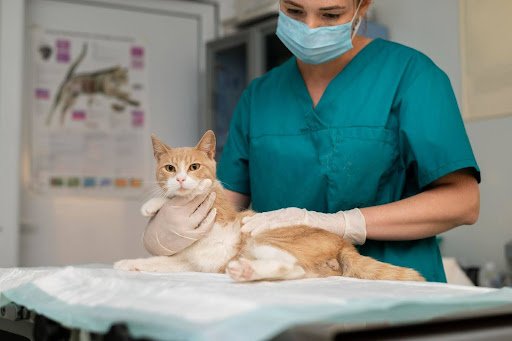
Pets rely on strong bones, flexible joints, and healthy muscles to stay active and comfortable. When mobility problems arise, they can quickly affect a pet’s quality of life, making everyday activities painful or difficult. Access to low-cost orthopedic surgery for cats has made treatment more accessible for many pet owners, ensuring that even complex conditions can be addressed before they worsen. Understanding when surgery is necessary and recognizing early warning signs can help you make timely decisions that protect your pet’s health and happiness.
Understanding Orthopedic Issues in Pets
Orthopedic conditions involve the bones, joints, ligaments, tendons, and muscles that support movement. These issues can affect pets of all ages. Young, energetic animals may suffer injuries from accidents or intense play, while older pets are more prone to degenerative conditions such as arthritis. Certain breeds also have genetic predispositions to joint disorders, making regular monitoring especially important.
Common orthopedic problems include ligament tears, hip or elbow dysplasia, fractures, and spinal conditions. While some cases respond well to medication or therapy, others require surgical correction to restore mobility and reduce pain.
Key Signs Your Pet May Need Orthopedic Surgery
Understanding these symptoms clarifies when professional care is necessary. The following signs indicate that a surgical evaluation may be required.
1. Persistent Limping or Lameness
One of the most noticeable indicators is limping that does not improve with rest. If your pet consistently avoids putting weight on a limb or shows uneven movement, it may signal joint instability or a ligament injury.
2. Difficulty Performing Routine Activities
Pets that struggle to jump, climb stairs, or stand up after resting may be experiencing joint pain or stiffness. These changes are often subtle at first but can progress quickly if left untreated.
3. Swelling or Visible Deformity
Inflammation around a joint or an unusual limb position can indicate fractures, dislocations, or severe joint damage. These signs require prompt veterinary evaluation.
4. Behavioral Changes
Pain can alter a pet’s behavior. Increased irritability, reduced playfulness, or withdrawal from family interactions often suggests discomfort. Some pets may also lick or chew excessively at a painful joint.
5. Reduced Activity and Muscle Loss
When movement becomes painful, pets naturally reduce activity levels. Over time, this can lead to muscle atrophy in the affected limb, further weakening mobility.
Conditions That Commonly Require Surgery
Once these symptoms are identified, veterinarians typically look for specific orthopedic conditions that may be causing the discomfort. The conditions below are among the most frequent reasons pets may need surgical treatment.
-
Cruciate Ligament Injuries
Torn ligaments in the knee are among the most frequent orthopedic issues in dogs. Surgery stabilizes the joint and prevents long-term arthritis.
-
Hip Dysplasia
This developmental condition causes improper joint alignment, leading to pain and reduced mobility. In severe cases, surgical correction significantly improves comfort and function.
-
Fractures and Trauma
Broken bones often require surgical repair to ensure proper alignment and healing. Without intervention, pets may experience chronic pain or limited movement.
-
Patellar Luxation
A slipping kneecap can cause intermittent lameness and discomfort. Surgery is recommended when the condition affects daily activity or causes ongoing pain.
How Veterinarians Determine the Need for Surgery
A thorough evaluation helps determine the best treatment approach. Veterinarians typically begin with a physical examination to assess joint stability, range of motion, and pain response. Diagnostic imaging, such as X-rays or advanced scans, provides a clearer view of structural damage.
In many cases, conservative treatments such as anti-inflammatory medication, weight management, and physical therapy are attempted first. Surgery is considered when these options fail to provide relief or when the condition is severe enough to risk long-term complications.
What to Expect During the Surgical Process
Orthopedic surgery involves careful planning to ensure the best outcome. Before the procedure, pets undergo blood tests and health checks to confirm they are fit for anesthesia.
The surgery itself varies depending on the condition. It may involve stabilizing a joint, repairing a ligament, or fixing a fracture with specialized implants. Afterward, pets require a recovery period that includes restricted activity, pain management, and follow-up visits to monitor healing.
Supporting Recovery at Home
Postoperative care plays a major role in successful healing. Creating a comfortable, quiet space helps prevent excessive movement that could interfere with recovery. Administering prescribed medications on schedule helps keep pain under control and reduce inflammation.
Gradual rehabilitation, including gentle exercises or physiotherapy, helps rebuild strength and restore mobility. Maintaining a healthy weight is also crucial, as excess weight adds stress to healing joints.
The Importance of Early Intervention
Delaying treatment can allow minor issues to develop into more complex conditions. Early diagnosis often leads to less invasive procedures, shorter recovery times, and better long-term outcomes. Pet owners should trust their instincts if something seems unusual about their pet’s movement or behavior.
Regular veterinary checkups are especially important for aging pets or breeds prone to joint problems. Preventive care, including proper nutrition and controlled exercise, can reduce the likelihood of severe orthopedic issues.
Improving Quality of Life Through Treatment
Orthopedic surgery can be life-changing for pets experiencing chronic pain or mobility limitations. Many animals return to normal activity levels after recovery, enjoying improved comfort and independence. Advances in veterinary medicine have made procedures safer and more effective, giving pets the opportunity to live active, fulfilling lives even after serious injuries.
Access to specialized care, including low-cost orthopedic surgery for cats, ensures that treatment is not only effective but also accessible to a wider range of pet owners. This has helped improve outcomes and reduce long-term complications for countless pets.
Conclusion
Recognizing the signs of orthopedic problems and seeking timely veterinary care can make a significant difference in your pet’s health. From persistent limping to reduced activity levels, early intervention helps prevent further complications and ensures the best possible recovery.
When specialized expertise is needed, consulting a canine orthopedic surgeon in Dubai can provide advanced treatment options and tailored care plans. Clinics such as Pet Point Veterinary Clinic are known for offering comprehensive orthopedic evaluations, modern surgical techniques, and compassionate follow-up care, helping pets regain mobility and enjoy a better quality of life.
