

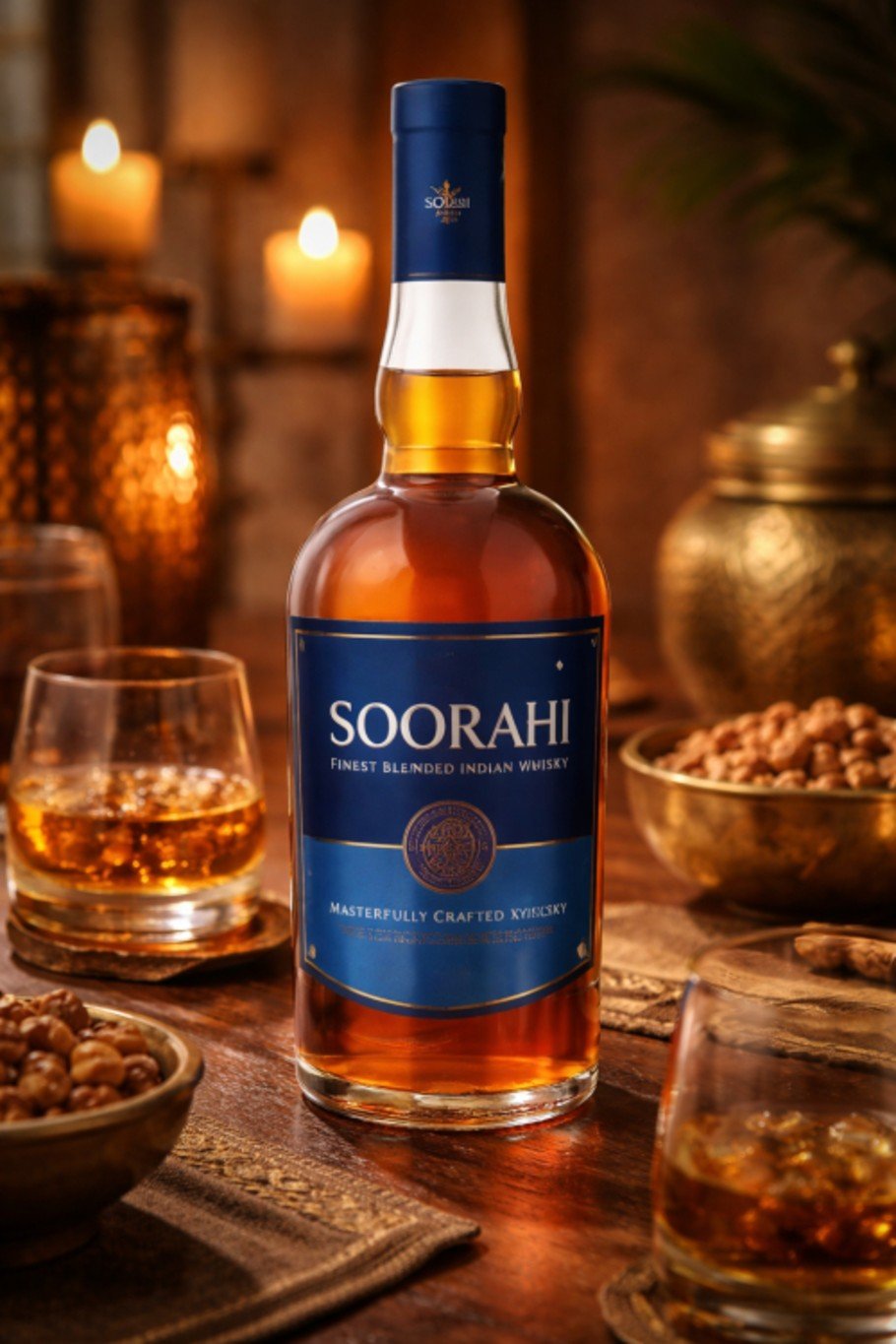
Whisky in India isn’t merely a drink poured into a glass; it’s a reflection of tradition, celebration, identity, and the evolving cultural landscape of a nation that drinks with meaning. From festive gatherings in city homes to quiet evenings under starlit skies, Indian whisky has carved a space for itself that transcends flavor and packs a narrative in every sip.
At its heart, whisky here is celebratory, social, sentimental, and increasingly, introspective. Brands like Soorahi have tapped into this layered cultural story, weaving symbols and meaning into each bottle and encouraging drinkers to explore the drink as more than a spirit, an experience.
Whisky as an Indian Tradition
Whisky arrived in India during the colonial era, initially introduced by the British. Over time, it integrated deeply into Indian social life, from formal dinners to casual after-work meetups. Its versatility served neat, on the rocks, with water, or mixed into cocktails helps it fit seamlessly into a wide range of Indian weather and occasions.
In many households, a good bottle of whisky is a status symbol and a sign of thoughtful hospitality. It is often chosen for gifting because it reflects elegance, respect, and good taste. Whether offered during festive occasions, birthdays, or professional milestones, whisky signals a celebration of life’s meaningful moments.
The Art of Drinking: Rituals and Experiences
The cultural side of drinking Indian whisky lies not just in what’s in the glass but how it’s experienced. Traditionally, whisky was sipped slowly, allowing its aroma and flavor to unfold. Today, while some people still treasure this ritual, modern drinking styles embrace cocktails and mixers that draw on both global trends and local nuances.
In many urban settings, whisky tastings and mixology events celebrate the craft itself. These gatherings bring people together for sensory exploration and an invitation to not just drink, but to learn about origins, flavour layering, and the narratives behind each brand and expression.
Symbols, Stories, and Identity
A significant cultural shift is how brands have begun to embed storytelling into their identity. Take, for instance, the emphasis on the Soorahi whisky compass meaning. On Soorahi bottles, the compass symbolizes direction, choice, and journey, an idea that turns every pour into a celebration of life’s adventures.
Similarly, the North Star Soorahi symbolism is rooted in the age‑old Indian tradition of guiding travellers through darkness, the belief that even in life’s uncertain paths, there is a constant beacon. This resonates deeply with drinkers who see whisky as more than a drink, but a companion on life’s roads.
Labels, packaging, and bottle design are now as much a part of the consumer experience as the spirit itself. When someone picks up a bottle that speaks through its symbols, the act of choosing becomes personal, a connection to culture, heritage, and what each symbol means.
Social Connection and Community
Whisky today serves as a social bridge. Sharing a bottle in a group is a way to mark achievements, acknowledge friendships, and honor life’s journeys. That social aspect is a powerful cultural thread in India. It’s about communion, conversation, shared laughter, and reflective silence. In many ways, whisky becomes an extension of community.
This is reflected in lifestyle events where brands curate moments that go beyond tasting, bringing people together to share stories, ideas, and experiences. Soorahi, for example, nurtures a community around travel, stories, and exploration where drinkers create and share narratives inspired by life’s adventures and journeys.
Whisky, Identity, and Modern Aspirations
Indian whisky has also become a symbol of aspiration. Premium blends and craft whiskies represent a shift in taste. Where once the focus was purely on accessibility and volume, there is now a growing appreciation for quality, craft, and meaning. The rising premiumisation trend shows that many Indians choose whiskies that connect flavour with identity, culture, and experience.
This evolution parallels changes in social dynamics from traditional gatherings to cosmopolitan lifestyles where experiences matter as much as taste. Whisky, in this context, is no longer just a drink; it’s an expression of personality and taste.
Whisky and Contemporary Culture
The culture around whisky in India today is dynamic. Mixologists are experimenting with global cocktail trends, infusing local ingredients and flavors that make whisky relevant to a younger generation without losing its cultural roots. From whisky‑based highballs to reinterpretations of classic mixes, the spirit continues to evolve while connecting the old and the new.
At the same time, many whisky lovers still appreciate classic styles neat or on the rocks, savoring each note and using the act of drinking as a moment of connection, introspection, or celebration.
Bringing It Together: A Shared Cultural Experience
The cultural significance of Indian whisky lies in this blend of tradition, personal meaning, and evolving expression. A bottle carries stories of heritage and aspiration; a glass carries memories, laughter, and contemplation.
Take the Soorahi brand story; the metaphor of navigation accurately captures this cultural journey. Like life, whisky culture in India moves forward with a sense of purpose, rooted in tradition yet open to exploration and innovation.
This isn’t just a drink, it’s a shared experience, a cultural ritual, and a narrative that evolves with each generation of drinkers.
FAQs About Indian Whisky Culture
1. What makes Indian whisky culturally significant?
Indian whisky has woven itself into celebrations, traditions, and everyday moments. It’s a drink that bridges old social rituals with modern lifestyles and reflects the country’s evolving tastes and storytelling culture.
2. How should you drink Indian whisky to appreciate it fully?
Start by tasting it neat to enjoy its aroma and flavour. Adding a few drops of water or having it on the rocks can open up the profile, especially in a warm climate.
3. Why do symbols matter on whisky bottles?
Symbols like the compass or North Star give a deeper narrative to the bottle—they connect the drink and the drinker to ideas of direction, aspiration, and shared meaning beyond just a beverage.
4. How has Indian whisky matured in recent years?
Modern Indian whiskies now balance tradition with premium craftsmanship. They often feature richer profiles, global influences, and are designed for both classic sipping and contemporary mixology.
5. In what occasions is whisky typically enjoyed in India?
Whisky shows up at celebrations like festivals, birthdays, professional milestones, and social gatherings. It also plays a role in quiet moments of reflection or conversation among friends.
6. Are whisky rituals different across India?
Yes. In urban areas, whisky might be part of modern cocktail culture, while in traditional settings it is enjoyed in simpler, classic ways like neat pours or with soda.
7. Why do Indians love whisky so much?
Its versatility, smooth flavour that pairs well with local cuisine, and its role in social rituals contribute to its enduring popularity. It also adapts well to different serves and occasions.
8. What makes Soorahi whisky unique among Indian whiskies?
Soorahi stands out by combining storytelling, symbolism, and craft. With the compass and North Star representing exploration and purpose, each bottle invites drinkers to savor whisky as both a journey and an experience.
9. Is whisky only for special occasions?
Not at all. While it’s loved for celebrations, many people also enjoy whisky casually—an evening pour after work or during relaxed gatherings.
10. How do modern brands like Soorahi influence whisky culture in India?
Brands like Soorahi have elevated whisky culture by blending heritage, symbolism, and premium craftsmanship, making each sip a meaningful and culturally rich experience.
Keep updated with the latest blogs of https://gettonews.com/
