

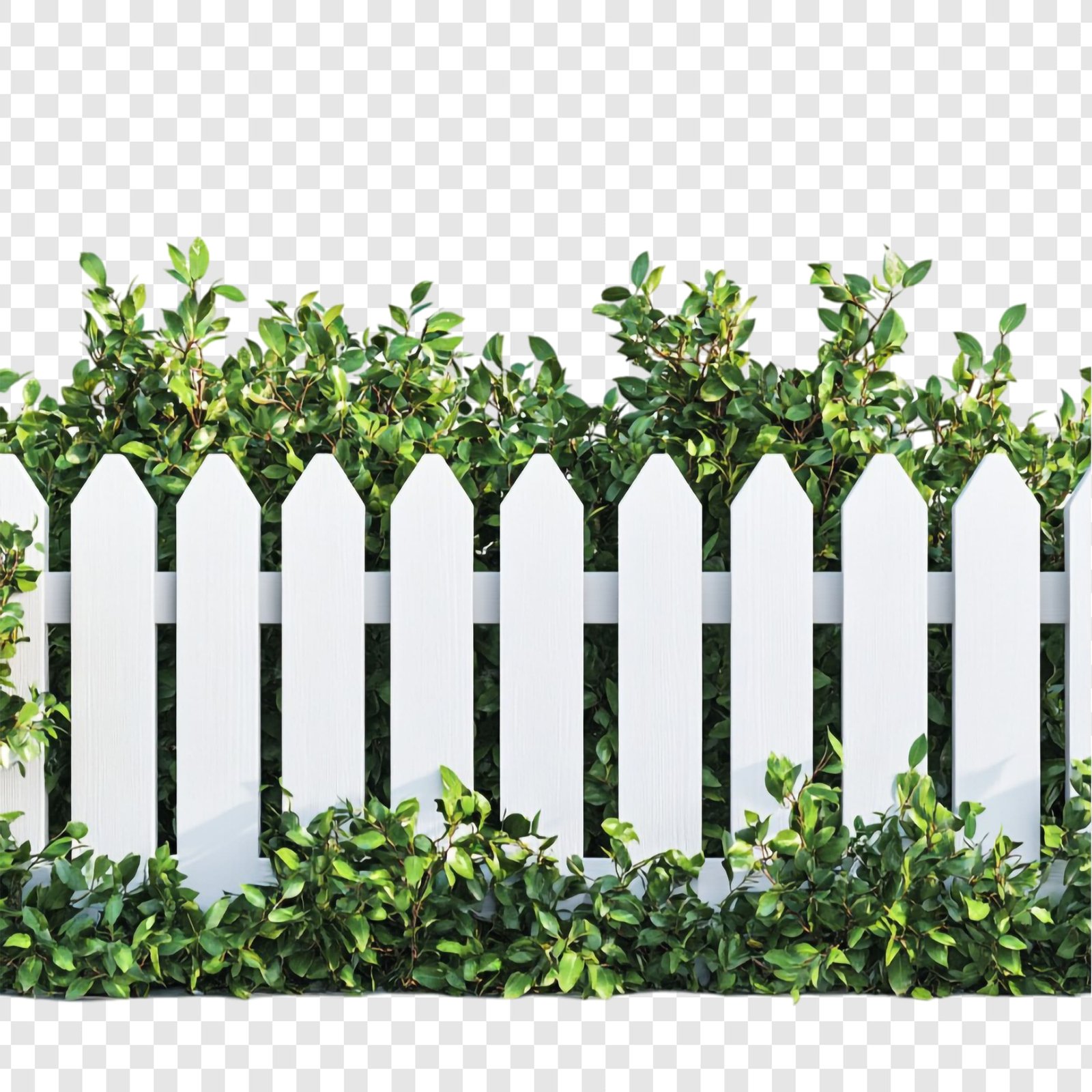
Fence projects usually begin with the visible choices: wood or vinyl, privacy panels or decorative pickets, six feet or four feet tall. But the decision shouldn’t start from the fence itself; the project initiation should be analyzing the yard – its shape, slope, boundaries, and the things already occupying the space.
When those details are ignored, the installation crew finds complications later. Posts landing where tree roots block the digging, fence panels meeting uneven ground, or a gate that ends up opening directly into a garden bed.
None of those problems comes from the fence.
They come from skipping analyzing the layout.
When layout planning is skipped, the installer has to adjust the design mid-project. That might mean shifting a fence line, shortening a section, or relocating a position. These plan changes might not be huge, but it creates results homeowners didn’t expect.
A professional fence contractor in St.Louis will review the yard before deciding on fence placement. They measure property lines, check grading, and note obstacles. This ensures the fence is installed correctly and functions properly from the start.
Start With Your Property Boundaries
Fence installers might run into problems because property lines aren’t verified. Relying on old fences, landscaping edges, or visible yard edges can lead to mistakes. Even a few feet over the line can cause disputes or require moving the fence later.
Before placing any posts, confirm the property boundaries. This can be done by reviewing your property survey, locating corner markers, or checking local property records.
Understanding your property lines ensures the fence is installed correctly and legally. It also prevents conflicts with neighbors and keeps the project on schedule. For added safety, verify local zoning laws or building codes, since they can affect fence height, design, and placement.
Understand the Shape and Slope of Your Yard
Before deciding where the fence will go, review the overall shape and slope of the yard. Many yards are not perfectly level, and even small changes in ground height can affect how fence panels are installed.
If the ground slopes, installers may need to step the fence panels or adjust post heights to keep the fence aligned. Ignoring these changes can lead to gaps under the fence or uneven panel lines.
How Sloped Yards Affect Fence Height and Alignment
Sloped ground changes how fence panels sit between posts. When the ground rises or drops along the fence line, panels cannot always be installed in a straight, level line without adjustments.
In these cases, installers typically use one of two methods: stepping the fence or following the slope of the ground. A stepped fence keeps panels level but places each section slightly higher or lower than the next. A racked fence follows the slope, so the panels angle with the ground
Identify Obstacles Before Planning Fence Placement
Before marking the fence line, review the yard for physical features that could affect post placement. Identifying these obstacles early helps prevent delays and reduces the need for changes during installation.
Trees, Landscaping, and Garden Beds
Trees and landscaped areas interfere with fence placement. Large roots can make it difficult to dig post holes, while branches may affect the spacing of fence panels. Garden beds and decorative landscaping can also limit the available space for a straight fence line.
Reviewing these features beforehand allows adjustments to be made without damaging plants or disturbing existing landscaping. In some cases, the fence line may need to shift slightly to avoid root systems or protected plants.
Decks, Patios, and Walkways
Structures such as decks, patios, and walkways influence where a fence can begin or end. These features may require gaps, gate placements, or adjustments to the fence layout to maintain access.
Planning around these structures ensures the fence does not block walkways or interfere with outdoor living spaces. It also helps determine where gates should be installed for convenient entry and exit.
Utility Lines and Underground Systems
Underground systems such as water lines, irrigation pipes, electrical cables, and gas lines must be considered before digging post holes. Installing fence posts without checking for utilities can cause damage to these systems and lead to costly repairs.
Homeowners should verify utility locations before installation begins. In many areas, local services can mark underground lines to prevent accidental damage during construction.
Conclusion
Planning the fence layout before installation helps avoid common construction issues. Accurate measurements, verified boundaries, and a clear understanding of the yard’s structure all contribute to a smoother installation process.
When these details are reviewed by professionals, installers can determine the best post spacing, panel alignment, and gate placement based on the property conditions.
A qualified St. Louis Fence Company evaluates the yard before installation begins. This preparation helps ensure the fence is placed correctly and performs as expected over time.
