

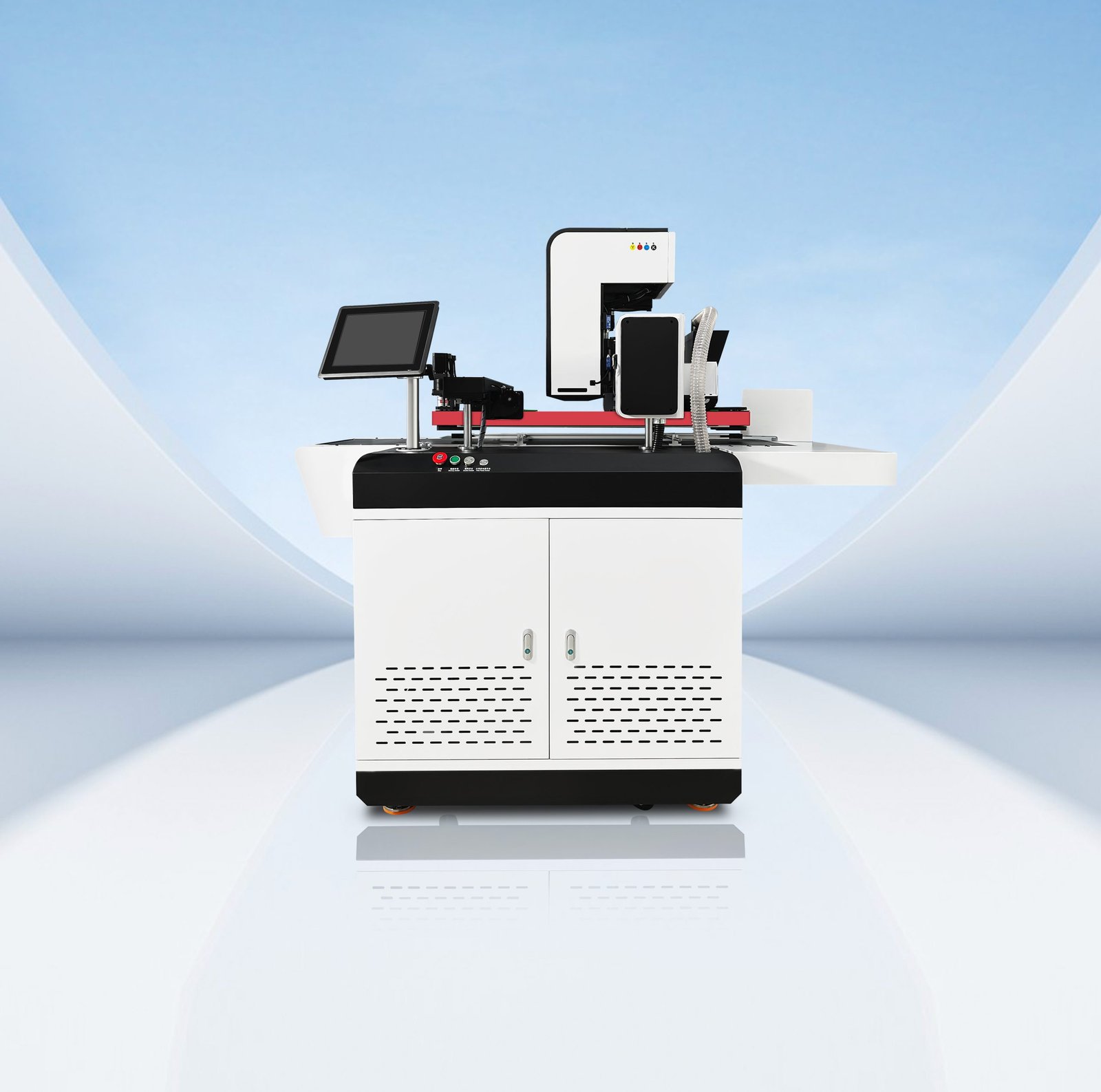
Selecting the right printing equipment is a critical decision for any publishing, packaging, or commercial printing business. A book edge digital printer plays an important role in enhancing product appearance, improving brand value, and meeting modern customer expectations. With growing demand for customized and premium-looking books, choosing the correct printer can directly impact production efficiency and profitability. The market offers many options with different features, technologies, and price ranges, which can make the selection process confusing. Understanding business needs, print quality requirements, and long-term operational goals helps in making a smart investment. This guide explains the key factors, features, and practical steps needed to select a reliable solution that supports consistent output and business growth.
Understanding Business Needs for a Book Edge Digital Printer
Before exploring technical specifications, business goals must be clearly defined. Different businesses require different printing capacities and output quality.
Print Volume and Production Speed
High-volume operations require printers with fast processing speeds and durable components. Smaller businesses or startups may prefer compact machines that handle moderate workloads efficiently.
Types of Books and Materials
Hardcover books, softcover editions, and specialty prints all demand different handling capabilities. Paper thickness, ink absorption, and edge-finishing compatibility should be reviewed carefully.
Customization and Design Requirements
Many modern publishers focus on personalized designs. A printer that supports variable data printing and creative color options adds value to the final product.
Key Features to Look for in a Book Edge Digital Printer
A reliable printer should offer a balance of performance, quality, and ease of use.
Print Quality and Resolution
High-resolution output ensures clean text, sharp graphics, and smooth color gradients. Consistent quality is essential for professional-looking book edges.
Ink Technology and Durability
UV and pigment-based inks are often preferred for long-lasting results. Fade resistance and scratch protection are important for books handled frequently.
Automation and Software Integration
Advanced software support reduces manual work. Automated alignment, color calibration, and job management improve productivity and minimize errors.
Technical Specifications That Impact Performance
Evaluating technical details helps avoid costly mistakes and ensures compatibility with business operations.
Printer Size and Workspace Requirements
Floor space and ventilation requirements should match the available workspace. Compact models are suitable for limited areas, while industrial printers need dedicated setups.
Maintenance and Running Costs
Low maintenance systems and easily replaceable parts reduce downtime. Ink consumption, energy efficiency, and spare part availability affect long-term costs.
Scalability for Future Growth
A printer that supports upgrades or higher workloads prevents the need for frequent replacements as demand increases.
Cost vs Value: Making the Right Investment
Price alone should not be the deciding factor. Long-term value matters more than initial cost.
Initial Purchase Cost
Affordable models may suit short-term needs but can limit output quality or speed.
Long-Term Operational Value
Durable machines with stable performance often provide better returns through consistent output and lower repair expenses.
Warranty and Technical Support
Strong after-sales support ensures quick issue resolution. Training resources and service availability add extra value to the investment.
Practical Tips for Selecting the Best Printer
Making a confident decision requires careful comparison and testing.
Request Sample Prints
Physical samples help evaluate real-world print quality and finishing results.
Compare Multiple Brands
Comparing specifications, reviews, and performance benchmarks highlights strengths and weaknesses.
Consult Industry Experts
Professional recommendations provide insights based on real usage and industry standards.
Final Thoughts on Smart Printer Selection
Choosing the right equipment improves workflow efficiency, enhances product quality, and supports business credibility. A well-selected printer meets current needs while allowing room for future expansion. Careful planning, feature comparison, and cost evaluation ensure a decision that aligns with both operational goals and market demands.
RobotJet-Global: Trusted Digital Printing Innovation
RobotJet-Global is a recognized name in advanced digital printing solutions, offering reliable and high-performance machines designed for modern publishing needs. The company focuses on precision engineering, consistent output quality, and user-friendly technology. With a strong emphasis on innovation and durability, RobotJet-Global supports businesses seeking efficient book edge printing solutions. Its printers are built to handle demanding workloads while maintaining excellent visual results, making RobotJet-Global a dependable choice for businesses aiming for quality, efficiency, and long-term value in digital printing.
