

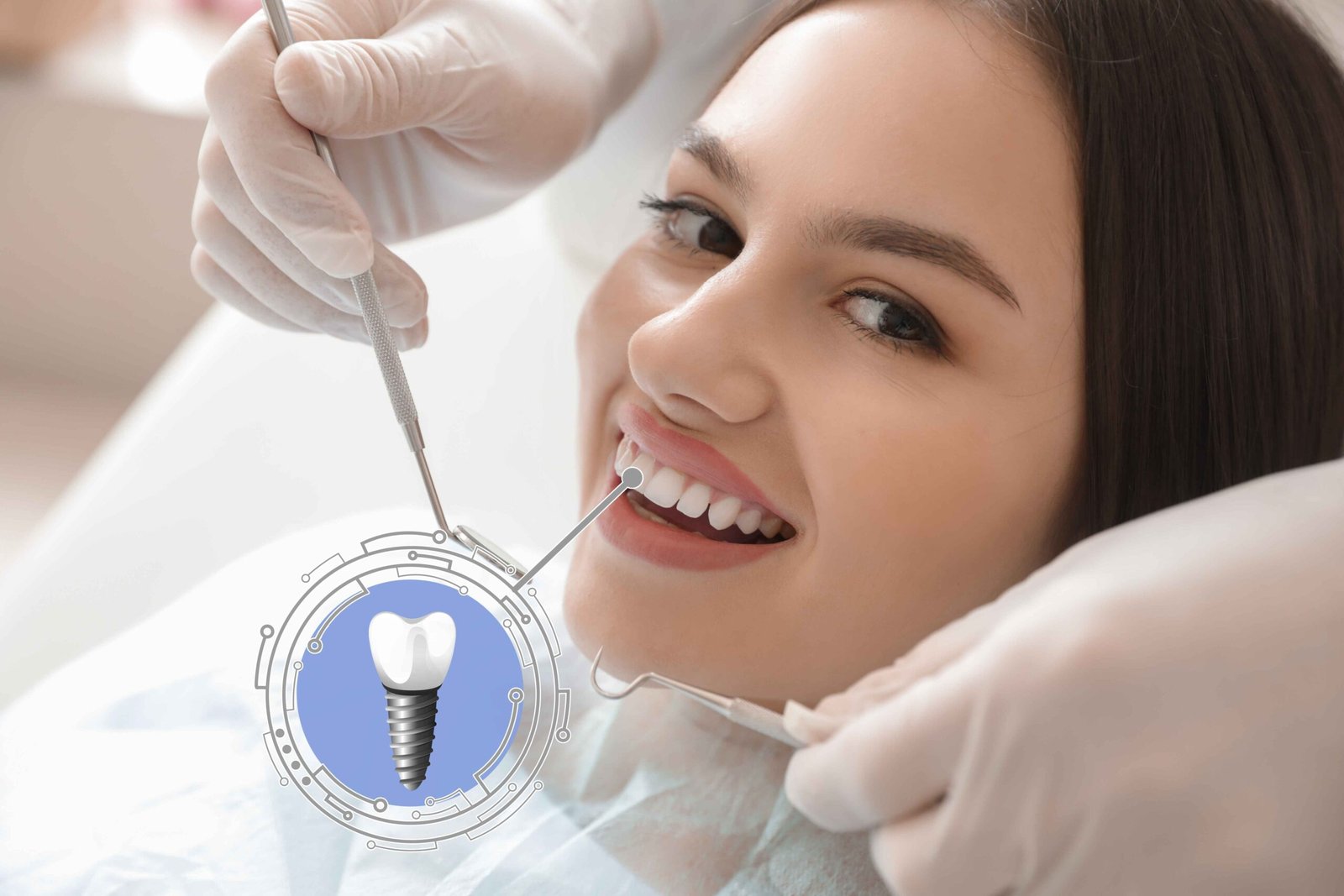
Missing teeth can affect not only your smile but also your oral function, bite balance, and overall confidence. Dental implants have become a highly reliable solution, offering stability, durability, and aesthetics comparable to natural teeth. Among modern options, zirconia dental implants are gaining popularity for their metal-free composition and natural appearance.Understanding the success rates of these implants is crucial for anyone considering tooth replacement. By examining the factors that influence outcomes, patients can make informed decisions and achieve lasting, confident results.
What Are Zirconia Dental Implants?
Zirconia dental implants are made from a high-strength ceramic material known as zirconium oxide. Unlike traditional titanium implants, zirconia implants are entirely white, making them especially appealing for patients prioritising aesthetics.
Key characteristics of zirconia implants include:
- Metal-free composition for biocompatibility
- High strength and fracture resistance
- Tooth-coloured appearance for natural-looking results
- Smooth surface to reduce bacterial adhesion
Zirconia implants are suitable for a wide range of patients, particularly those who have metal sensitivities or want a more aesthetically pleasing option. Clinics offering Zirconia Implants Belfast often tailor treatment plans to individual needs, ensuring optimal integration with surrounding teeth and gums.
Success Rate Overview
Modern zirconia implants demonstrate remarkable success in clinical studies. Research shows success rates typically range between 95–98% over 5–10 years, comparable to titanium implants.
Factors used to measure implant success include:
- Osseointegration: the stable integration of the implant with the jawbone
- Implant stability under normal biting and chewing forces
- Absence of infection, gum disease, or peri-implantitis
- Patient satisfaction with comfort and aesthetics
Success can vary depending on individual factors such as bone quality, oral hygiene, and the expertise of the dental team. Both short-term and long-term outcomes are influenced by these variables, making careful planning essential.
Factors That Influence Zirconia Implant Success
1. Bone Quality and Quantity
Bone density and volume are critical for successful implantation. Strong, dense bone provides the foundation for the implant to integrate securely. In cases of low bone volume, procedures like bone grafting or sinus lifts may be recommended to improve stability and reduce the risk of failure.
2. Surgical Technique and Experience
The surgeon’s experience plays a pivotal role in implant success. Precise placement and careful handling of soft tissue and bone reduce complications and support osseointegration. Patients considering dental implant Belfast treatments often benefit from clinics with highly trained specialists who employ advanced imaging and surgical planning techniques.
3. Patient Health and Lifestyle
Certain health conditions and habits can influence implant success. Key considerations include:
- Smoking, which impairs healing and increases infection risk
- Diabetes or other systemic conditions that affect tissue recovery
- Teeth grinding (bruxism), which places additional stress on implants
Good oral hygiene is essential to prevent peri-implantitis and maintain long-term stability.
4. Implant Design and Surface Technology
Modern zirconia implants feature advanced surface treatments that enhance bone integration. Designs vary from one-piece to two-piece systems, each with specific benefits depending on the patient’s needs and bite dynamics. Proper selection of implant type is critical for achieving a predictable outcome.
Advantages of Zirconia Implants
Zirconia implants offer several distinct benefits:
- Aesthetic appeal: White, tooth-like colour blends naturally with existing teeth
- Biocompatibility: Reduced risk of allergic reactions or gum irritation
- Bacterial resistance: Smooth surface reduces plaque accumulation
- Durability: Strong enough to withstand normal bite forces
- Metal-free solution: Ideal for patients who prefer non-metal restorations
These advantages make zirconia implants particularly attractive for patients seeking highly aesthetic restorations alongside functional reliability.

Zirconia Implants Belfast
Potential Risks and Limitations
While zirconia implants are highly successful, some limitations exist:
| Risk | Consideration |
| Fracture risk | Rare but possible in areas of high bite force |
| Limited long-term data | Fewer studies than titanium implants over 20+ years |
| Precis surgical placement required | Demands experienced surgeons |
| Bone requirements | Not suitable for patients with insufficient jawbone without augmentation |
Careful patient selection and treatment planning are essential to mitigate these risks and ensure implant longevity.
Maintenance and Long-Term Care
Proper care significantly contributes to the success of zirconia implants. Patients should follow oral hygiene and lifestyle practices similar to those for natural teeth.
Recommended maintenance steps:
- Brush twice daily with fluoride toothpaste
- Floss carefully around implant margins
- Avoid hard or sticky foods that may stress the implant
- Use night guards if teeth grinding is present
- Attend regular dental check-ups
Following these guidelines ensures that zirconia implants Belfast remain functional, aesthetically pleasing, and long-lasting.
Osseointegration Timeline for Zirconia Implants
The success of zirconia implants heavily depends on proper osseointegration the process by which the implant fuses with the jawbone.
Key points include:
- Initial stability is critical for long-term success
- Healing can take 3–6 months depending on bone density
- Avoiding excessive pressure during early healing prevents failure
- Patients should follow post-operative guidelines for optimal results
Impact of Implant Position on Longevity
The location of a zirconia implant affects both function and aesthetic outcome.
Considerations include:
- Front teeth require high aesthetic precision
- Molars need stronger implants to withstand bite forces
- Proper angulation reduces stress and risk of fracture
- Experienced surgeons evaluate bite alignment and jaw anatomy for ideal placement

Dental Implant Belfast
Choosing the Right Candidate for Zirconia Implants
Not every patient is an ideal candidate for zirconia implants. Ideal candidates generally:
- Are in good overall and oral health
- Have sufficient bone density and volume
- Seek highly aesthetic, metal-free solutions
Patients with certain medical conditions or insufficient bone may be better suited to alternative treatments, including titanium implants. Comprehensive evaluation, including imaging and consultation with a qualified specialist, is crucial to determine suitability.
Conclusion
Modern zirconia implants offer impressive success rates when patient selection, surgical expertise, and aftercare are optimised. With their natural appearance, biocompatibility, and durability, zirconia implants provide both functional and aesthetic benefits. Patients who follow proper oral hygiene practices and receive treatment from experienced clinicians are more likely to enjoy long-term stability and satisfaction.For individuals seeking personalised dental implant solutions, Smilo Dental Implant Belfast is dedicated to delivering expert care, advanced techniques, and results that enhance both confidence and oral health
