

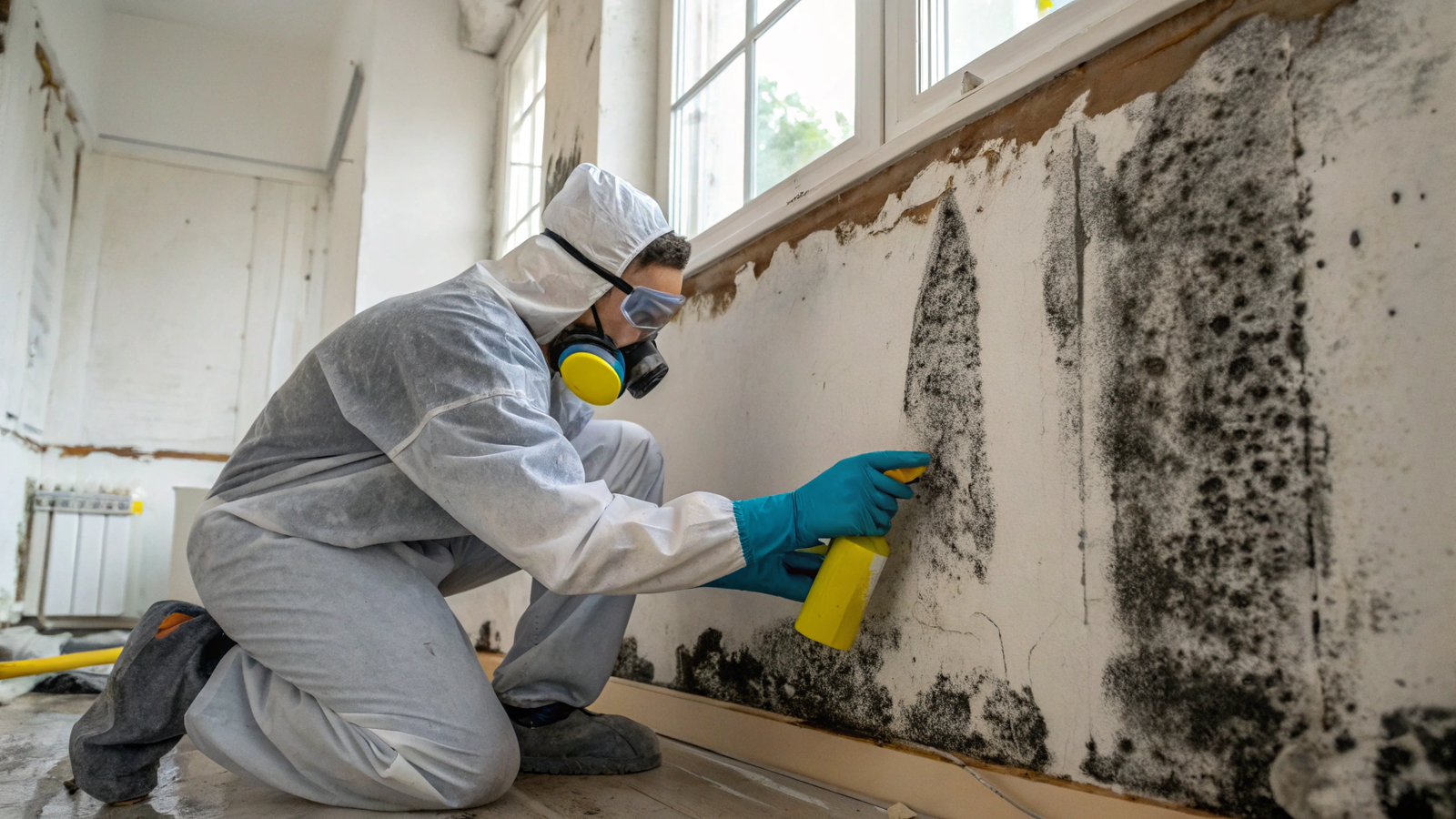
Finding mold in your home can be stressful, especially when you don’t know how far it has spread. Many people want quick answers and fast pricing, but mold is rarely that simple. Before any professional gives a remediation quote, proper inspection methods must be used to understand the full problem.
–
Introduction
A reliable quote is not just based on what’s visible. Mold often grows behind walls, under flooring, or inside HVAC systems. That’s why choosing the right inspection process matters as much as choosing the right company.
Why Mold Inspection Is the First Step Before Any Quote
Before removing mold, professionals need to know where it is coming from, how much contamination exists, and what areas are affected. A proper inspection ensures the plan is accurate, safe, and fair. If you search for a mold company near me, you should expect more than a quick glance; they should use tools and testing that uncover hidden damage.
What a Professional Mold Inspection Should Identify
A full mold inspection looks for the moisture source feeding the growth, the size of the affected area, and whether mold spores are spreading through the air. It also helps determine what kind of containment and cleanup will be required.
Why Visual Checks Alone Are Not Enough
Mold is often invisible at first. A wall may look fine while moisture builds behind it. Relying only on surface-level inspection can lead to missed contamination and incomplete remediation.
How Moisture Meters Help Detect Hidden Mold Conditions
Moisture meters are one of the most important tools in mold inspection. They measure moisture levels inside building materials like drywall, wood, and flooring. Since mold thrives in damp environments, high moisture readings often point directly to the root cause. The Environmental Protection Agency also stresses that mold cannot grow without moisture, which is why locating and addressing damp areas is a critical first step before any remediation quote is given.
Common Areas Where Moisture Is Found
Moisture is commonly detected near plumbing leaks, bathrooms, basements, kitchens, and around windows. Even small hidden water issues can create the perfect conditions for mold to grow over time.
How Thermal Imaging Reveals Problems the Eye Can’t See
Thermal imaging uses infrared technology to spot temperature differences in surfaces. These differences can indicate trapped moisture behind walls or under floors. While thermal cameras don’t detect mold itself, they help locate water intrusion that may be causing mold growth.
When Thermal Imaging Is Most Useful
Thermal imaging is especially helpful after flooding, roof leaks, or in larger homes where moisture problems may not be obvious. It allows inspectors to target areas that need further testing without unnecessary demolition.
What Air Sampling Tells You About Mold Levels Indoors
Air sampling tests the number of mold spores floating in indoor air compared to outdoor levels. This helps determine whether mold is affecting air quality, even if no visible growth is present.
When Air Sampling Should Be Included
Air tests are useful when people experience respiratory symptoms, when there is a musty smell without visible mold, or when contamination may be spread across multiple rooms.
Why Surface Sampling Confirms the Type of Mold Present
Surface sampling involves collecting mold from a visible spot using tape or swabs. This sample is sent to a lab to identify the mold type. Knowing what species is present helps professionals choose the right remediation approach.
Situations Where Surface Tests Matter Most
Surface testing is important when mold patches are visible, when documentation is needed for insurance, or when confirming that remediation has been successful after cleanup.
How These Methods Lead to Accurate and Fair Quotes
Without inspection tools, quotes are often just guesses. Moisture readings, imaging, and sampling allow the remediation team to understand how serious the issue is and what work is truly needed. This helps avoid unexpected costs later and ensures the cleanup addresses the full problem.
What to Expect From a Reliable Mold Remediation Estimate
A trustworthy quote should be based on findings, not assumptions. It should outline affected areas, needed containment steps, removal methods, and any follow-up testing. Professional companies explain their process clearly before beginning work.
Conclusion
Mold remediation should never begin with a price alone. The best companies start with proper inspection using moisture meters, thermal imaging, and air or surface sampling. These tools protect homeowners from incomplete cleanup and help ensure accurate estimates. If you are seeking professional help, choosing experienced mold remediation Rocklin CA services that prioritize inspection first can make the recovery process safer and more effective.
FAQs
Q1. Do all mold companies use these inspection tools?
A: Not always. Some may offer only visual inspections, so it’s important to ask what methods they use before agreeing to a quote.
Q2. Is air sampling always necessary before remediation?
A: Air sampling is not required in every case, but it can be helpful when mold is suspected without visible signs or when health concerns are present.
Q3. How soon can remediation start after inspection?
A: In many cases, remediation can begin within a few days once inspection results are reviewed and the scope of work is confirmed.
