

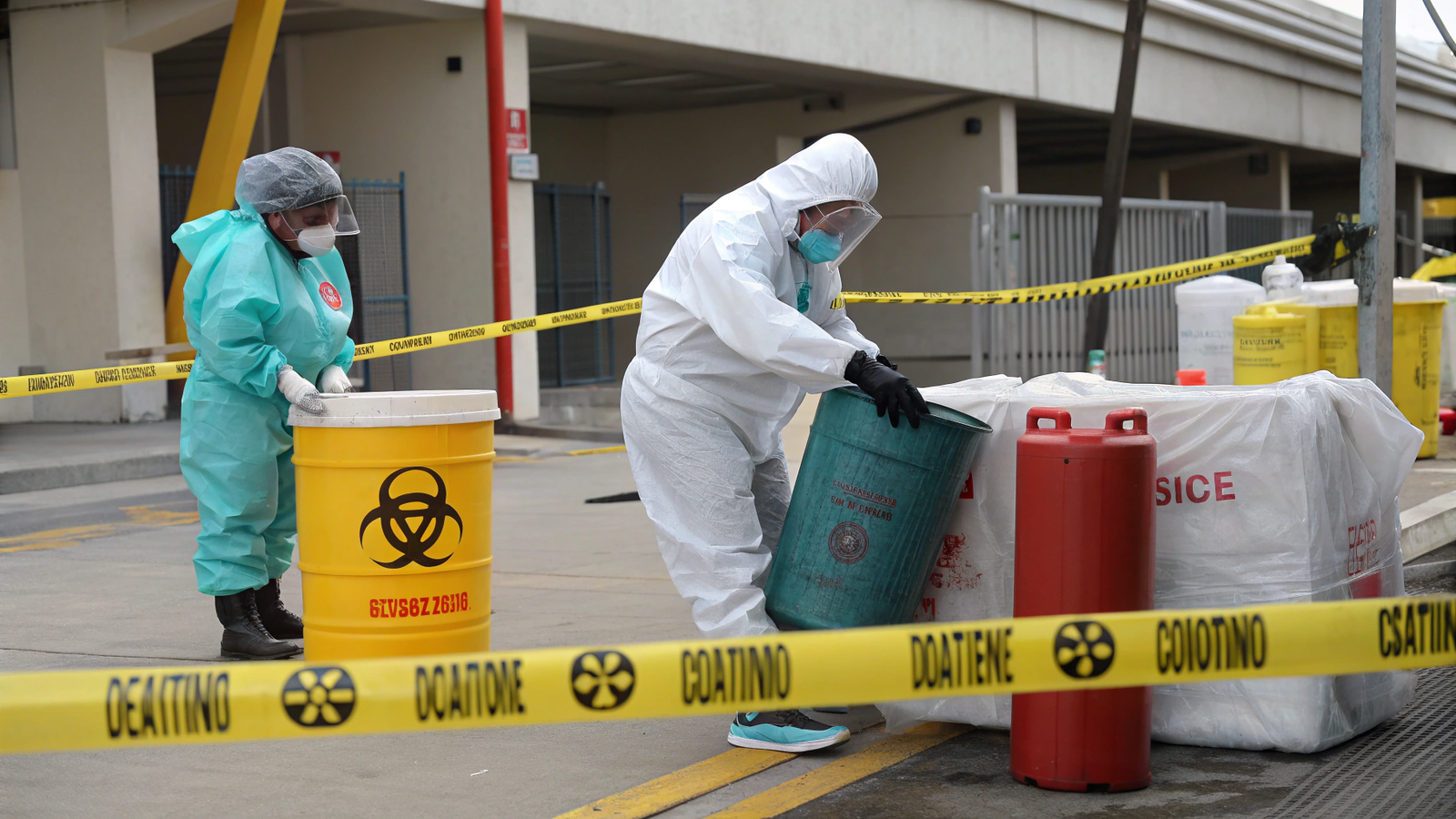
Biohazard emergencies require immediate professional cleanup due to serious health risks. Certified teams handle trauma, sewage, hazardous waste, and contamination using strict protocols. Delaying remediation increases exposure and property damage. Expert response ensures safe sanitation and full restoration of affected spaces.
–
Biohazard situations require immediate professional attention because they involve harmful biological materials that pose serious health and safety risks. Unlike standard cleaning, biohazard cleanup demands specialized training, protective equipment, and strict disposal protocols. Homeowners, property managers, and businesses often seek biohazard cleanup Raleigh NC services when contamination occurs from trauma, sewage, hazardous waste, or other dangerous conditions that cannot be handled safely without expert intervention.
Emergency response is critical because delays increase exposure risks, spread contamination, and can lead to long-term structural and environmental damage.
What Qualifies As A Biohazard Emergency?
A biohazard emergency involves biological substances that can transmit disease or create unsafe living conditions. These materials require regulated cleanup procedures to ensure complete decontamination.
Common biohazards include bloodborne pathogens, bodily fluids, sewage contamination, animal waste, and chemical, biological mixtures. Any situation involving infectious risk should be treated as an emergency.
When Should Emergency Biohazard Cleanup Be Called?
Emergency biohazard cleanup is needed when contamination creates immediate danger to occupants or the surrounding environment.
• Trauma or accident scenes involving blood or bodily fluids
• Sewage backups that spread bacteria and pathogens
• Decomposition or unattended death situations
• Hoarding conditions with biological contamination
• Infectious waste exposure in residential or commercial spaces
Professional response ensures safe containment and removal of hazardous materials.
Why Biohazard Cleanup Requires Specialized Expertise
Biohazard cleanup is not simply surface cleaning. Contaminants can penetrate porous materials, spread through HVAC systems, and remain infectious if not treated correctly.
Certified professionals follow strict protocols, including containment zones, PPE usage, hospital grade disinfectants, and regulated waste disposal. This protects both occupants and cleanup personnel.
Key Steps In The Emergency Biohazard Cleanup Process
Professional biohazard remediation follows a structured approach to restore safety.
• Assessment of contamination severity and affected materials
• Isolation of the area to prevent cross contamination
• Removal of hazardous materials and unsalvageable contents
• Deep cleaning and disinfection with approved agents
• Proper disposal of biohazard waste under regulations
• Final verification to ensure the area is safe for reentry
These steps ensure complete sanitation rather than temporary cleanup.
Health Risks Of Delaying Biohazard Remediation
Delaying cleanup increases exposure to pathogens, bacteria, and airborne contaminants. Individuals may experience respiratory irritation, infection risk, or long term health complications.
Sewage related biohazards are particularly dangerous due to high bacterial load. Immediate professional cleanup reduces these risks and prevents contamination from spreading further.
Key Emergency Scenarios That Demand Immediate Action
1. Trauma and accident contamination
Blood and bodily fluids require regulated cleaning to prevent disease transmission and ensure safe restoration.
2. Sewage and wastewater intrusion
Sewage contains harmful pathogens that must be disinfected thoroughly to protect indoor environments.
3. Unattended death and decomposition cleanup
These situations involve biohazards and strong odors that require specialized remediation methods.
4. Hoarding related biological contamination
Extreme clutter can hide mold, waste, and bacteria that create unsafe living conditions.
5. Animal infestation and waste exposure
Rodent or wildlife waste can carry dangerous diseases and must be removed with professional protocols.
How Emergency Cleanup Protects Property Value
Biohazard contamination can permanently damage structural materials if untreated. Professional remediation prevents long term odor issues, material deterioration, and unsafe conditions that reduce property usability.
Cleanup also supports compliance with health regulations, making spaces safe for occupancy, sale, or rental after remediation.
Why Professional Response Matters More Than DIY Cleaning
Household cleaning products cannot eliminate biohazard pathogens effectively. Improper handling can spread contamination and increase exposure risk.
Professional teams have the equipment, certifications, and training to remove hazards safely while restoring the space to a livable condition.
Conclusion
Emergency biohazard cleanup is needed whenever biological contamination creates health risks or unsafe environments. Trauma, sewage, decomposition, and hazardous waste situations require immediate expert intervention. In the middle of evaluating emergency response options, many property owners rely on biohazard cleanup Cary NC services to ensure proper containment, sanitation, and long-term safety restoration.
FAQs
Q1. Is biohazard cleanup always considered an emergency?
Yes, most biohazard situations involve infectious risks and should be addressed immediately.
Q2. Can sewage backup be cleaned without professionals?
No, sewage contains dangerous pathogens that require certified cleanup and disinfection.
Q3. How long does emergency biohazard remediation take?
The timeline depends on contamination severity, but professionals begin mitigation immediately to reduce risk.
