

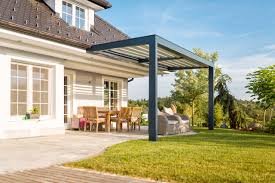
A louvre roof system creates a flexible outdoor covering that allows control over sunlight, airflow, and rain protection. The adjustable blades rotate to suit changing weather and comfort needs. Homeowners often use these systems over patios or decks to make outdoor areas usable year-round. Unlike a fixed roof, a louvre roof adapts daily, adding both functional and practical value to a home renovation.
Factors That Affect Louvre Roof Pricing
Several factors determine the final price of a louvre roof system. Understanding these factors helps homeowners assess costs realistically rather than focusing on a single price figure.
- Size of the structure, which affects material use and structural support
- Material quality, with aluminium offering durability and weather resistance
- Manual or motorised operation, influencing ease of use and pricing
- Additional features, such as rain sensors or integrated lighting
- Installation conditions, including site access and surface preparation
Together, these factors determine the overall pricing and explain why costs vary between properties. When assessing louvre roof cost in Australia it is important to view pricing alongside design, materials, and installation standards.
Comparing Upfront Cost With Long-Term Value
At first, a louvre roof may appear more expensive than traditional pergolas or fixed covers. However, long-term value often balances the initial spend. These systems resist corrosion and weathering, reducing repair and replacement costs. Their adjustable design removes the need for extra shade structures or seasonal covers. Looking at the louvre roof cost in Australia from a long-term perspective highlights durability, adaptability, and consistent usability rather than short-term savings.
Effect on Outdoor Usability and Lifestyle
A louvre roof directly improves how outdoor areas function in daily life. Adjustable blades allow airflow during warmer months and full cover during rain. This flexibility makes outdoor spaces suitable for dining, relaxation, and entertaining, regardless of the weather. As a result, homeowners use these areas more frequently, which increases the overall return on investment.
Influence on Property Appeal and Resale Potential
Buyers value functional outdoor living spaces. A professionally installed louvre roof adds a clean, structured look that complements contemporary home design. It also signals careful renovation planning. While resale value depends on location and market conditions, improved outdoor usability often enhances the property’s overall look.
Maintenance Costs and Expected Lifespan
Ongoing ownership costs remain low when louvre roofs receive basic care. Understanding maintenance requirements helps set realistic expectations.
- Routine cleaning to prevent dust and debris buildup
- Occasional inspections to maintain smooth blade movement
- Durable aluminium construction, which withstands harsh weather
- Manufacturer warranties, offering long-term assurance
These factors support a long lifespan and reduce unexpected expenses, reinforcing the system’s value over time.
Integration With Broader Renovation Choices
Louvre roofs often form part of wider renovation planning. They work best when aligned with other structural features that support open living.
- Improved indoor-outdoor flow for daily living
- Compatibility with decks and patios
- Strong visual alignment with bifold doors in Adelaide
- Support for modern renovation layouts
When planned correctly, this integration creates a cohesive living environment. Many homeowners pair louvre roofs with bifold doors in Adelaide to maintain continuity between indoor and outdoor spaces.
Conclusion
A louvre roof offers clear value through durability, adaptability, and improved outdoor use. While the upfront cost requires careful consideration, long-term benefits often outweigh the initial expense. For homeowners focused on practical and lasting home renovation outcomes, a louvre roof remains a worthwhile investment.
