

Dubai is widely recognized for its towering skyscrapers, luxurious malls, and ultramodern lifestyle, but beneath the glittering façade lies a rich cultural heritage waiting to be explored. For heritage lovers and history buffs, the city offers a fascinating journey through its historic neighborhoods, traditional markets, and cultural landmarks. A cultural tour of Dubai allows travelers to experience the emirate’s past firsthand, gaining insight into the traditions, architecture, and everyday life that shaped the city we see today. MVP Traveling provides expertly guided tours that bring Dubai’s rich heritage to life.
Why a Dubai Cultural Tour Is a Must for History Enthusiasts
Modern Dubai can sometimes overshadow the city’s historical roots. Skyscrapers and luxury resorts dominate postcards and travel guides, but the real story of Dubai is found in its historic districts, bustling souks, and preserved architectural gems. A cultural tour allows visitors to step back in time, exploring the city’s evolution from a small trading village to a thriving cosmopolitan hub. For history buffs, this is an opportunity to connect with the lives, customs, and craftsmanship of the people who shaped Dubai’s heritage.
Explore Al Fahidi Historical District
The Al Fahidi Historical District is the starting point for many cultural tours. This neighborhood features narrow winding alleys, traditional wind-tower houses, and restored buildings dating back over a century. The wind towers, or “barjeel,” were ingeniously designed to naturally ventilate homes in the desert heat. Walking through Al Fahidi, visitors gain a sense of the ingenuity and resourcefulness of Dubai’s early inhabitants. MVP Traveling guides provide detailed explanations, sharing stories about the district’s history, architecture, and cultural significance.
Dubai Museum: A Window into the Past
Located in the Al Fahidi Fort, the Dubai Museum is a treasure trove of artifacts and exhibits that chronicle the emirate’s history. From Bedouin life and pearl diving to maritime trade and traditional crafts, the museum paints a vivid picture of Dubai before the modern boom. Interactive displays allow visitors to experience historical scenarios, providing an engaging way to learn about the city’s development over time. For history buffs, the museum offers context and perspective that enhance the cultural tour experience.
Stroll Through the Souks
Dubai’s traditional markets, or souks, are cultural landmarks in themselves. The Gold Souk dazzles with intricate jewelry, highlighting the city’s long-standing trade traditions. The Spice Souk engages the senses with aromatic spices, herbs, and dried fruits, reflecting Dubai’s historical trading connections with Asia and the Middle East. The Textile Souk offers vibrant fabrics, traditional garments, and a glimpse into Emirati fashion history. Visiting these markets allows heritage enthusiasts to witness traditional commerce in action while learning about the cultural significance of each trade.
Experience Dubai Creek
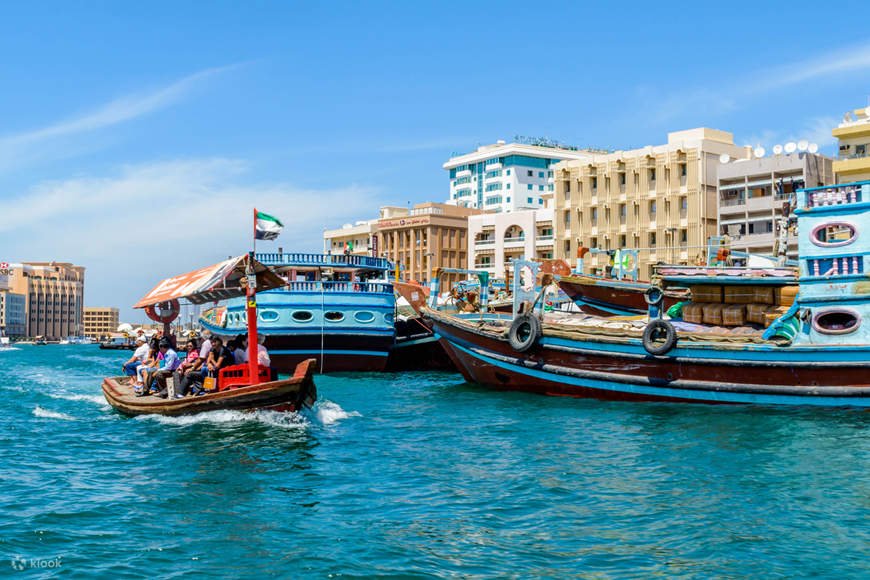
A ride along Dubai Creek on a traditional wooden abra is one of the most authentic ways to experience Old Dubai. The creek has historically been a vital waterway for trade and transportation, connecting communities and supporting the local economy. Gliding across the creek offers a perspective on the city’s early commerce, waterfront life, and the bustling activity that shaped Dubai’s development. MVP Traveling ensures that visitors gain historical insights during this scenic journey.
Visit Bastakiya Quarter
The Bastakiya Quarter is a preserved heritage area featuring traditional wind-tower houses, narrow alleys, art galleries, and cultural centers. This district offers a glimpse into the architecture and daily life of Dubai’s early inhabitants. Heritage lovers will appreciate the craftsmanship, design, and attention to detail in the buildings, as well as the opportunity to explore cultural exhibits and workshops in a historic setting.
Cultural Experiences and Interactive Activities
A Dubai cultural tour often includes interactive experiences, allowing visitors to engage with Emirati traditions. Participants may try on traditional clothing, observe live demonstrations of crafts such as pottery or weaving, or learn Arabic calligraphy. These activities provide hands-on learning and a deeper connection to the city’s heritage, transforming a simple sightseeing tour into an immersive cultural experience.
Taste Traditional Emirati Cuisine
Sampling local dishes is a key component of any cultural tour. Traditional Emirati cuisine, such as machboos, luqaimat, and shawarma, reflects the flavors, spices, and culinary traditions of the region. Food tasting adds a sensory dimension to the tour and allows visitors to experience another facet of Dubai’s rich culture. MVP Traveling ensures that guests enjoy authentic meals while learning about their cultural significance.
Why Choose a Cultural Tour over Modern Sightseeing
While modern sightseeing focuses on Dubai’s skyscrapers, luxury hotels, and shopping destinations, cultural tours emphasize heritage, history, and authenticity. For heritage lovers and history buffs, this approach offers education, meaningful engagement, and the chance to experience traditions firsthand. Cultural tours reveal the layers of Dubai’s history and allow visitors to appreciate the city beyond its contemporary image.
Conclusion: Immerse Yourself in Dubai’s Heritage
For travelers passionate about history and culture, exploring Old Dubai through a guided cultural tour is an unforgettable experience. From historic districts and bustling souks to scenic creek rides and interactive cultural activities, each aspect of the tour provides insight into the emirate’s rich heritage. Guided by MVP Traveling, visitors gain context, stories, and hands-on experiences that bring the city’s past to life. For anyone seeking a deeply enriching and educational journey, the Best Dubai Traditional City Tour offers the ultimate opportunity to connect with Dubai’s history, culture, and timeless traditions.
