

Threads have always carried more than color and texture, they carry engineering. In today’s performance-driven textile industry, fabrics are no longer passive materials. They regulate moisture, resist environmental stress, and enhance durability without sacrificing aesthetics. Among these engineered textiles, polyester twill stands out as a fabric that blends science with practicality.
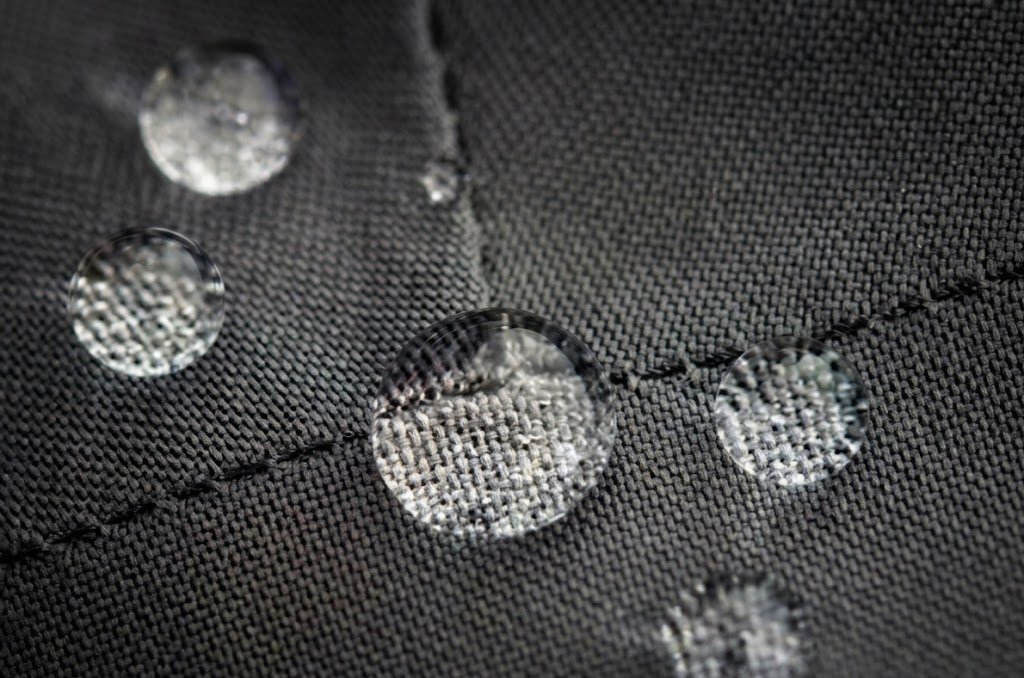
From uniforms and sportswear to outerwear and branded apparel, this fabric has become a benchmark for performance. But what exactly makes it moisture-wicking and weather-resistant? The answer lies in polymer chemistry, fiber structure, and weave architecture.
Let’s explore the science that makes polyester twill a top-tier performer.
Understanding Polyester at the Molecular Level
Polyester is a synthetic polymer primarily composed of polyethylene terephthalate (PET). Its molecular structure is built from repeating ester functional groups that form long, stable chains. These chains create fibers that are:
- Hydrophobic (resistant to water absorption)
- Strong and abrasion-resistant
- Thermally stable
- Resistant to microbial growth
Unlike natural fibers such as cotton, polyester does not absorb water into its core. Instead, moisture remains on the fiber surface. This property forms the foundation for moisture-wicking performance.
What Makes Twill Weave Unique?
The term “twill” refers to the weaving pattern rather than the fiber type. Twill fabrics are woven using a diagonal rib pattern created by passing the weft thread over and under multiple warp threads in a staggered sequence.
This structure provides:
- Increased tensile strength
- Improved drape
- Greater wrinkle resistance
- Enhanced durability
When polyester fibers are woven into a twill construction, the result is a fabric that combines structural integrity with engineered performance.
The Science of Moisture-Wicking
Moisture-wicking is often misunderstood as absorption. In reality, it involves moisture management through capillary action.
1. Hydrophobic Core
Polyester fibers repel water due to their non-polar molecular structure. Instead of soaking moisture, they push it outward.
2. Capillary Channels
Modern performance-grade polyester twill is often manufactured with microfibers or engineered cross-sections. These fibers create microscopic channels between threads.
Through capillary action, moisture moves:
- Away from the skin
- Through the fabric surface
- Toward the outer layer
- Where it evaporates quickly
3. Surface Area Engineering
Microfiber polyester increases surface area, accelerating evaporation rates. The faster moisture evaporates, the cooler and drier the wearer feels.
This is why athletic apparel and workwear frequently rely on polyester twill, it maintains comfort during prolonged wear and physical activity.
Weather Resistance: A Structural Advantage
Beyond moisture control, weather resistance is another defining characteristic.
Water Resistance
Polyester naturally resists water penetration. Twill weave enhances this by creating a tighter fabric surface, reducing the number of open gaps through which water can pass.
Many performance garments also receive additional treatments such as:
- Durable Water Repellent (DWR) coatings.
- PU (polyurethane) backing.
- PVC lamination.
Even without heavy coatings, the inherent structure of polyester twill offers significant resistance to light rain and wind.
Wind Resistance
The diagonal weave pattern improves fiber density. Higher thread counts in twill constructions create barriers against wind penetration, making the fabric suitable for jackets, uniforms, and outdoor apparel.
UV Resistance
Polyester fibers resist UV degradation better than many natural fibers. This makes polyester twill ideal for outdoor use, including:
- Corporate uniforms.
- Industrial garments.
- Caps and accessories.
- Promotional apparel.
The fabric maintains color vibrancy even after prolonged sun exposure.
Durability Under Stress
Performance fabrics must withstand abrasion, tension, and repeated laundering.
Abrasion Resistance
Twill weave distributes mechanical stress across diagonal ribs, reducing localized fiber damage. Polyester’s high tensile strength further reinforces resistance to wear.
Shape Retention
Polyester fibers exhibit elastic recovery. When stretched, they return to their original form, preventing sagging and distortion.
Wrinkle Resistance
The polymer structure resists creasing. Unlike cotton twill, which wrinkles easily, polyester twill maintains a crisp, professional appearance.
For industries requiring polished presentation – hospitality, aviation, security – this property is essential.
Breathability and Comfort Engineering
A common misconception is that polyester lacks breathability. Modern textile engineering has resolved this issue.
Performance-grade polyester twill often incorporates:
- Micro-perforation technology.
- Blended yarn systems.
- Engineered airflow panels.
Breathability is controlled not only by fiber chemistry but by fabric density and finishing techniques. The balance between moisture transport and air permeability ensures wearer comfort in both hot and humid environments.
Application in Professional and Industrial Apparel
Because of its structural reliability, polyester twill is widely used in:
- Work uniforms
- School uniforms
- Tactical apparel
- Industrial safety garments
- Corporate branding apparel
Its resistance to shrinking, fading, and distortion makes it cost-effective for large-scale production and long-term use.
Additionally, the smooth surface provides an excellent base for embellishments, including embroidery and custom applique applications.
Compatibility with Customization
Modern branding demands high-quality surface compatibility.
The dense yet smooth texture of polyester twill allows for:
- High-definition embroidery
- Screen printing
- Heat transfers
- Custom applique
Because the fabric holds its structure under stitching, custom applique designs maintain shape integrity without puckering or fabric distortion. This makes it a preferred choice for team uniforms, corporate logos, and decorative patches.
When combined with moisture-wicking performance, branding does not compromise comfort.
Sustainability Considerations
Polyester production has historically raised environmental concerns due to its petroleum base. However, technological innovation is shifting this narrative.
Recycled Polyester (rPET)
Many manufacturers now produce polyester twill from recycled PET bottles. This reduces:
- Landfill waste
- Energy consumption
- Carbon footprint
rPET maintains the same moisture-wicking and weather-resistant properties as virgin polyester.
Longevity as Sustainability
Durability is sustainability. Garments that last longer reduce replacement frequency and overall textile waste.
Comparison with Other Fabrics
To understand its performance fully, consider how polyester twill compares to alternatives.
| Feature | Cotton Twill | Nylon | Polyester Twill |
|---|---|---|---|
| Moisture Wicking | Low | Moderate | High |
| Weather Resistance | Moderate | High | High |
| Wrinkle Resistance | Low | Moderate | High |
| UV Stability | Low | Moderate | High |
| Customization Compatibility | Moderate | Moderate | Excellent |
The balanced performance profile explains its dominance in performance apparel sectors.
Care and Maintenance
Performance fabrics must maintain properties after repeated washing.
Polyester twill offers:
- Low shrinkage
- Quick drying
- Resistance to mildew
- Colorfastness
It does not require high-temperature ironing and maintains structural integrity after industrial laundering cycles.
The Future of Polyester Twill Innovation
Textile research continues to refine fiber geometry and surface treatments. Emerging technologies include:
- Nanotechnology coatings for enhanced repellency.
- Antimicrobial treatments.
- Phase-change materials (PCM) for thermal regulation.
- Bio-based polyester alternatives.
As innovation progresses, polyester twill will likely become even more adaptive, merging performance with sustainability.
Final Thoughts
Performance textiles represent a convergence of chemistry, engineering, and design. Polyester twill is not merely a fabric, it is a functional system engineered for real-world demands.
Its moisture-wicking mechanism keeps the body dry. Its weather-resistant structure shields against environmental stress. Its durability ensures long-term value. And its compatibility with custom applique and other embellishment techniques makes it commercially versatile.
In an industry where comfort, resilience, and branding intersect, polyester twill continues to set a high standard.
Fabric is no longer just about texture. It is about performance, and few materials deliver that performance as precisely as this one.
