

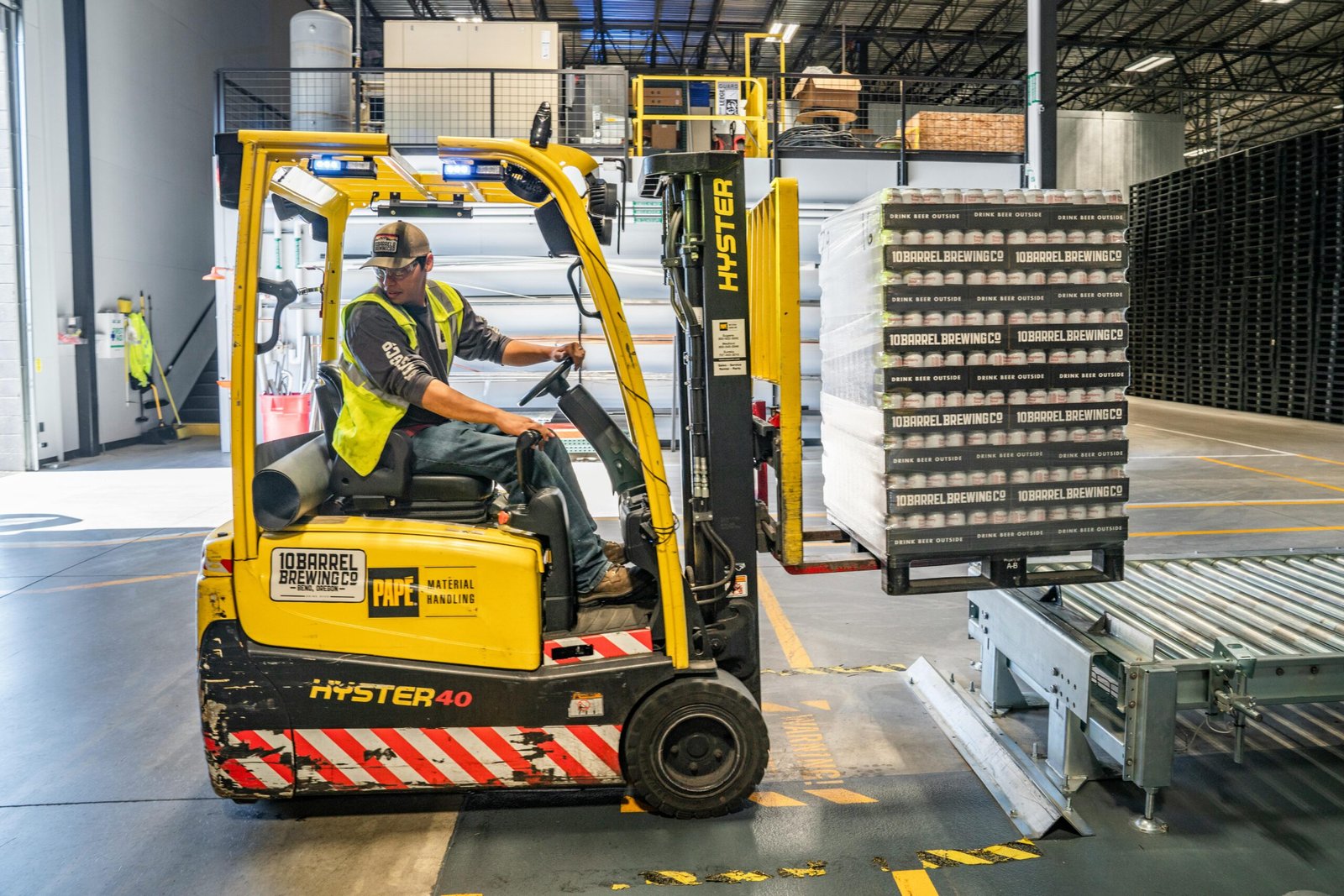
Investing in an electric forklift for sale is a major decision for any warehouse, manufacturing facility, or industrial operation. These forklifts are popular because they are quiet, efficient, and eco-friendly. They reduce emissions, lower operational costs, and are easier to maintain than traditional diesel forklifts.
However, buying an electric forklift requires careful consideration. Choosing the wrong model can result in operational inefficiency, higher costs, and safety risks. Understanding the key factors before purchase ensures that your facility gets the right equipment for your needs.
This article explains everything you should know before buying an electric forklift for sale and how to make the best choice for your operations.
Understand Your Warehouse Needs
Before purchasing, assess your warehouse operations. Consider the types of materials you move, the weight of loads, the height of shelves, and the number of forklifts needed.
Electric forklifts come in different sizes, weight capacities, and lift heights. Selecting a forklift that matches your operational needs improves efficiency and reduces the risk of overloading or accidents.
For example, compact models are ideal for narrow aisles, while larger models handle heavier pallets. Knowing your warehouse layout and daily tasks helps you choose the right electric forklift for sale.
Evaluate Load Capacity and Lift Height
Two of the most critical specifications for an electric forklift are load capacity and lift height. Load capacity determines how much weight the forklift can safely lift, while lift height affects how high it can stack materials.
Choosing a forklift with insufficient capacity or lift height can slow operations and increase safety risks. Conversely, an oversized forklift may be unnecessary and more expensive. Consider the typical materials your facility handles and select a model that meets those requirements.
Consider Battery Life and Charging Options
Electric forklifts run on batteries, so battery life and charging time are crucial factors. Determine how long the forklift can operate on a full charge and how quickly the battery can be recharged.
Some batteries support fast charging, while others may require several hours. Facilities with continuous operations may need spare batteries or charging stations to avoid downtime. Understanding battery performance ensures that the forklift supports your daily workflow efficiently.
Evaluate Maintenance and Service Requirements
Electric forklifts require less maintenance than diesel or gas models, but regular servicing is still necessary. Check the availability of maintenance support and the complexity of parts replacement.
Choosing a supplier that provides ongoing maintenance or technical support can save time and reduce unexpected repair costs. Reliable service ensures your electric forklift operates safely and efficiently over its lifespan.
Consider Operational Costs
While electric forklifts have lower fuel costs than diesel models, it is important to calculate overall operational costs. This includes electricity, maintenance, battery replacement, and potential downtime during charging.
A thorough understanding of operational costs helps you make an informed decision when buying an electric forklift for sale. Efficient forklifts with low running costs improve overall warehouse profitability.
Safety Features and Compliance
Safety is critical when operating forklifts. Look for electric forklifts with safety features such as automatic brakes, stability control, ergonomic controls, and visibility enhancements.
Ensuring that the forklift meets safety standards and regulatory compliance protects operators and reduces the risk of workplace accidents. Prioritizing safety also minimizes liability for your business.
Evaluate Supplier Reputation
Buying from a trusted supplier ensures that you receive reliable equipment and professional support. Suppliers with a strong reputation often provide high-quality electric forklifts, warranty options, and expert guidance.
Texas Equipment Source offers dependable electric forklift for sale options with professional support and well-maintained machines. Working with a reputable supplier ensures that your investment is secure and that your facility receives equipment suitable for its operational needs.
Plan for Operator Training
Even if the forklift is easy to use, operator training is essential. Employees should be trained on battery charging, load handling, safety procedures, and proper maintenance checks.
Proper training reduces accidents, improves efficiency, and extends the life of the forklift. Planning training alongside your purchase ensures that your workforce is prepared to operate the new equipment safely from day one.
Consider Future Growth and Expansion
When selecting an electric forklift for sale, consider your facility’s long-term needs. If your operations are growing or you expect increased storage demands, choose a forklift that can handle higher capacities or more intensive usage.
Investing in equipment that meets both current and future needs prevents additional purchases in the short term and supports business growth.
Compare New vs Used Options
Electric forklifts are available both new and used. New forklifts offer the latest technology, full warranties, and long-term reliability. Used forklifts are more affordable and can be a cost-effective solution for smaller facilities or short-term needs.
Evaluate your budget, workload, and operational goals when deciding between new and used electric forklifts. A trusted supplier can help guide this decision based on your business requirements.
Inspect and Test Before Purchase
Before finalizing a purchase, inspect the forklift thoroughly. Check the condition of the battery, forks, tires, brakes, and control systems. Testing the forklift ensures that it meets operational expectations and functions properly.
A careful inspection prevents issues after purchase and ensures that your facility receives equipment ready for safe and efficient use.
Conclusion
Buying an electric forklift for sale is a significant investment that can improve efficiency, reduce costs, and enhance safety in warehouse and industrial operations. Understanding your facility’s needs, evaluating load capacity and lift height, considering battery life, maintenance, operational costs, and safety features are all essential steps in making the right choice.
