

Retail businesses today operate in a fast-paced environment where efficiency, accuracy, and customer experience are crucial. From small shops to large chains, modern technology plays a key role in streamlining operations. In the middle of this transformation, point of sale systems for retail have become essential tools that go far beyond simple billing and transaction processing.
What Are Point of Sale Systems?
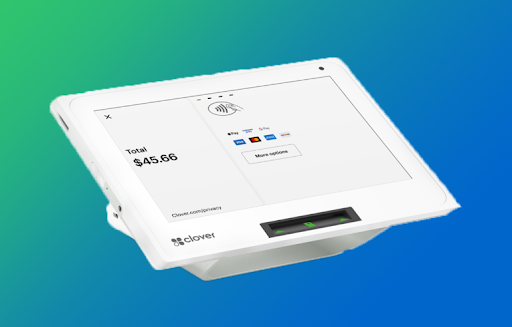
A point-of-sale (POS) system is a combination of hardware and software used to complete sales transactions and manage business operations. It typically includes devices such as barcode scanners, cash registers, and card readers, along with software that tracks sales, inventory, and customer data.
These systems act as the central hub of a retail business, enabling store owners to handle multiple tasks simultaneously. From calculating totals to generating receipts and managing stock levels, POS systems simplify everyday operations and reduce manual effort.
Key Components of Retail POS Systems
Retail POS systems consist of several integrated components that work together seamlessly. The hardware includes touchscreens, scanners, receipt printers, and card readers, while the software manages backend processes such as reporting and analytics.
Another important component is cloud connectivity. Many modern systems store data online, allowing business owners to access reports and monitor performance remotely. This flexibility is especially useful for multi-location retail operations.
Benefits of Using POS Systems in Retail
One of the main advantages of using point of sale systems for retail is improved efficiency. Transactions are processed quickly, reducing wait times and enhancing customer satisfaction. Automated systems eliminate the need for manual calculations, minimizing errors.
POS systems also provide real-time inventory tracking. Retailers can monitor stock levels, identify fast-selling products, and avoid overstocking or shortages. This helps in maintaining a balanced inventory and improving overall profitability.
Types of POS Systems for Retail
There are different types of point of sale systems for retail systems designed to meet various retail needs. Traditional or terminal-based systems are commonly used in high-volume stores and rely on fixed hardware setups. These systems are reliable and ideal for businesses that require consistent performance.
They allow retailers to access data from anywhere and integrate with other digital tools. Mobile POS systems are also gaining popularity, enabling staff to assist customers on the shop floor and complete transactions without a fixed checkout counter.
Role of POS Systems in Customer Experience
Customer experience is a critical factor in retail success. Long queues, billing errors, or limited payment options can negatively impact customer satisfaction. POS systems help address these issues by providing fast and accurate transactions.
Modern systems support multiple payment methods, including cards, digital wallets, and contactless payments. This flexibility ensures that customers can pay using their preferred method. POS systems also enable personalized services by storing customer data and purchase history.
Integration with Business Operations
Retail POS systems are not limited to billing; they integrate with various aspects of business operations. They connect with accounting software, e-commerce platforms, and inventory management systems, creating a unified ecosystem.
This integration allows for better coordination between online and offline sales channels. Retailers can manage orders, track shipments, and update inventory in real time. As a result, businesses can operate more efficiently and respond quickly to market demands.
Challenges and Considerations
While POS systems offer numerous benefits, there are also challenges to consider. Initial setup costs, system maintenance, and staff training can require significant investment. Businesses must also ensure data security, as POS systems handle sensitive customer information.
Choosing the right system is crucial. Retailers should evaluate their needs, budget, and scalability requirements before making a decision.
Future of Retail POS Systems
The future of retail POS systems is driven by innovation and technological advancements. Artificial intelligence, automation, and advanced analytics are being integrated into modern systems to enhance functionality.
Features such as self-checkout, voice-assisted transactions, and predictive analytics are becoming more common. These advancements aim to improve efficiency, reduce costs, and provide a seamless shopping experience.
Conclusion
Retail businesses rely heavily on efficient systems to manage transactions and operations. Payment terminal solutions further strengthen these systems by enabling secure and flexible payment options, ensuring a seamless checkout experience for customers. Investing in the right technology can significantly improve performance and customer satisfaction.