

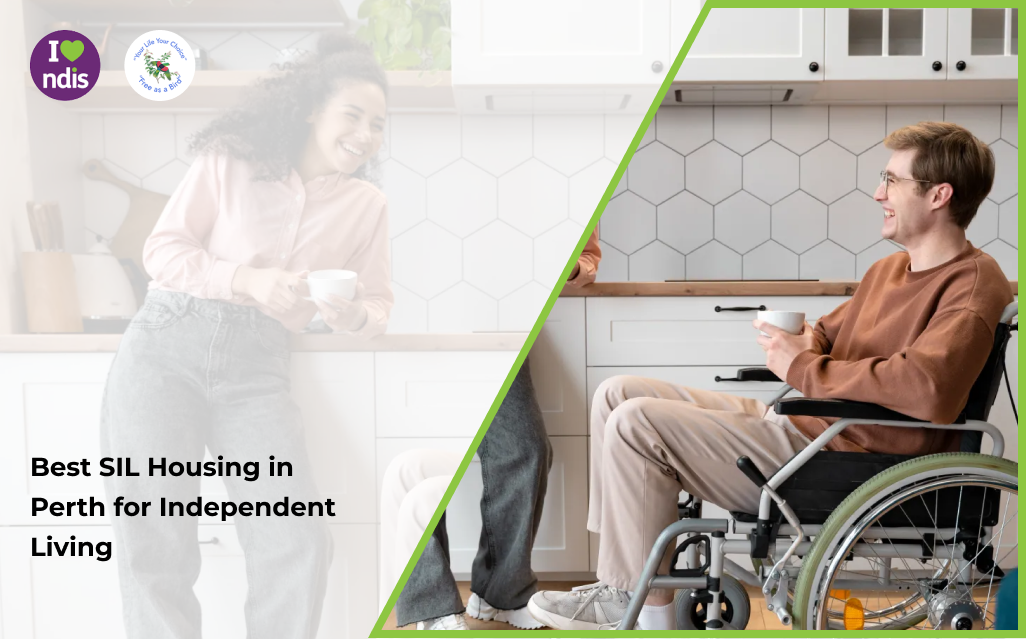
Understanding SIL Housing and Daily Support Needs
What is SIL Housing?
SIL Housing (Supported Independent Living) is a support service that helps individuals with disabilities live independently while receiving assistance with daily activities.
Under the NDIS, SIL focuses on providing structured support such as personal care, cooking, cleaning, and managing routines.
What Does Daily Assistance Include?
Daily assistance in SIL Housing covers essential tasks like:
- Personal hygiene and grooming
- Meal preparation
- Medication reminders
- Household chores
- Routine management
This support helps individuals live safely and comfortably.
Why Daily Assistance is Important
Daily support ensures that individuals can maintain a healthy lifestyle while building independence.
It reduces risks and improves overall well-being.
Who Needs SIL Housing in Perth WA for Daily Assistance
Individuals with Physical Disabilities
People with physical disabilities often need help with mobility, personal care, and daily tasks.
SIL Housing in Perth provides accessible homes and trained staff to support these needs.
Individuals with Intellectual Disabilities
Individuals with intellectual disabilities may need structured routines and guidance.
SIL Housing offers consistent support to help them manage daily life effectively.
People Requiring 24/7 Support
Some individuals need continuous supervision and assistance.
SIL Housing provides round-the-clock support to ensure safety and stability.
Key Signs Someone Needs SIL Housing
Difficulty Managing Daily Tasks
If a person struggles with cooking, cleaning, or personal care, SIL Housing can provide the necessary support.
Increased Dependence on Family
When family members provide most of the care, it may be time to consider professional support.
Safety Concerns at Home
Frequent accidents or inability to manage emergencies indicate the need for a safer environment.
Types of People Who Benefit Most
Young Adults Transitioning to Independence
Young individuals moving out of family homes benefit from structured support.
SIL Housing helps them learn life skills and become independent.
Adults with Long-Term Care Needs
Individuals requiring ongoing care can benefit from stable and consistent support.
People Recovering from Medical Conditions
Those recovering from injuries or health conditions may need temporary or long-term assistance.
Types of SIL Housing Options Available
Shared Living Homes
Participants live with others and share support services.
Benefits:
- Lower cost
- Social interaction
- Continuous supervision
Individual Living Options
Private homes with support provide more independence.
Suitable for individuals who prefer privacy.
SIL with SDA Homes
Combining SIL with SDA Homes provides advanced accessibility and support.
Ideal for individuals with higher care needs.
Daily Life in SIL Housing
Structured Routine
Participants follow a daily routine that includes meals, activities, and personal care.
Support from Trained Staff
Staff assist with tasks while encouraging independence.
Skill Development Activities
Participants learn essential skills such as cooking, cleaning, and budgeting.
SIL Housing vs Living Without Support
| Feature | SIL Housing | Living Without Support |
| Safety | High | Low |
| Support | Professional | Limited |
| Independence | Guided | Risky |
| Routine | Structured | Unstable |
| Quality of Life | Improved | Challenging |
SIL Housing provides a safer and more structured environment.
Benefits of SIL Housing for Daily Assistance
Improved Safety
Participants live in a secure environment with support available at all times.
Better Health Management
Regular support helps maintain hygiene, nutrition, and medication routines.
Increased Independence
Participants learn to manage daily tasks with guidance.
Role of NDIS in SIL Housing
Funding for Support Services
The NDIS covers SIL support based on individual needs.
Personalized Support Plans
Participants receive customized care plans tailored to their requirements.
Long-Term Support
NDIS ensures ongoing support for individuals who need daily assistance.
Common Misconceptions About SIL Housing
It is Only for High Needs
SIL Housing supports a wide range of needs, from moderate to high.
It Reduces Independence
In reality, SIL Housing promotes independence through skill development.
It is Institutional
SIL homes are designed to feel like real homes, not facilities.
How to Decide if Supported Independent Living Housing is Needed
Assess Daily Challenges
Identify areas where support is required.
Consult a Trusted NDIS Provider
Professional guidance helps determine the right level of support.
Visit Supported Independent Living Homes
Visiting helps understand the environment and available services.
Expert Recommendation
If daily tasks become difficult to manage, Supported Independent Living. Housing is a strong and reliable solution.
When to Consider SIL Housing
- Need for daily assistance
- Safety concerns at home
- Desire for independence with support
- Long-term care planning
Final Advice
Choose a trusted NDIS provider offering well-designed SDA Homes and personalized care plans to ensure the best outcomes.
Who Needs Supported Independent Living.Housing in Perth WA for Daily Assistance
SIL Housing is ideal for individuals who require regular support with daily tasks while aiming to live independently and safely.
People Also Ask
Who qualifies for SIL housing?
Individuals who need daily support and are eligible under NDIS.
What kind of support does SIL provide?
Support for personal care, household tasks, and daily routines.
Is SIL housing only for severe disabilities?
No, it supports a range of needs.
Can SIL housing improve independence?
Yes, it helps individuals build life skills and confidence.
Conclusion
SIL Housing in Perth WA is designed for individuals who need daily assistance but want to live independently. It provides a safe, supportive, and structured environment that improves quality of life.
By understanding the signs and needs, families can make informed decisions and choose the right SIL Housing option for long-term support and independence.