

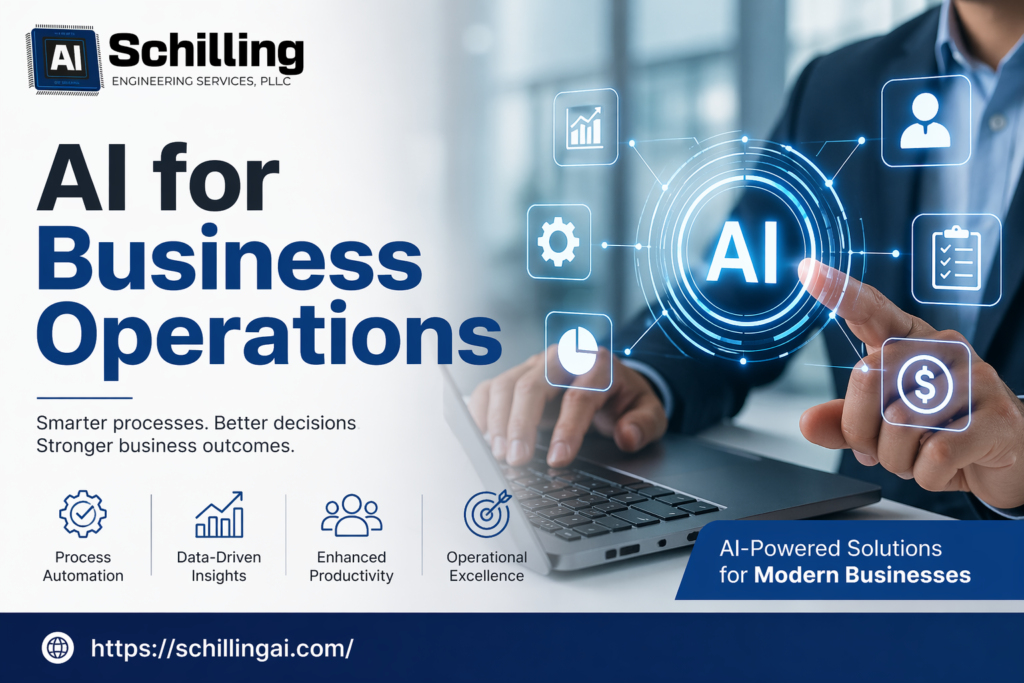
Architecture, engineering, and construction continue to evolve as projects grow more complex and timelines tighten. Teams need smarter ways to plan, execute, and deliver results without increasing overhead. This shift has brought AI for business operations into focus, not as a trend, but as a practical tool that reshapes how work gets done.
Professionals across the AEC industry now rely on data-driven insights to guide decisions. From early-stage design to final execution, intelligent systems support teams in reducing risk, improving collaboration, and maintaining efficiency across every phase of a project.
The Shift from Traditional to Intelligent Workflows
For years, construction and engineering relied heavily on manual processes and reactive decision-making. While experience still holds value, relying solely on it may slow down progress in a competitive landscape.
With artificial intelligence in construction, workflows become proactive rather than reactive. Systems analyze patterns, flag potential delays, and suggest adjustments before issues escalate. This approach allows teams to stay ahead rather than constantly catching up.
Enhancing Design and Planning with AI
Design and planning define the success of any AEC project. Small inefficiencies at this stage often grow into costly challenges later. Intelligent tools now support architects and engineers in refining designs with precision.
Using AI for business operations, teams gain access to predictive modeling and simulation tools that improve accuracy. These systems evaluate multiple scenarios, helping professionals select the most efficient design path while aligning with project goals.
Smarter Project Management and Execution
Project management often involves juggling timelines, resources, and stakeholder expectations. Misalignment in any of these areas may lead to delays or increased costs.
Through artificial intelligence in construction, project managers gain real-time visibility into operations. AI-powered platforms track progress, identify inefficiencies, and provide actionable insights. This level of clarity supports better coordination across teams and ensures smoother execution.
Optimizing Resources and Reducing Waste
Resource management remains a critical challenge in AEC projects. Inefficient allocation of labor, materials, or equipment often impacts both cost and timelines.
Here, AI for business operations plays a key role in optimizing resource utilization. Systems analyze usage patterns and recommend adjustments that reduce waste and improve productivity. Teams that adopt these insights often see stronger margins and more predictable outcomes.
Improving Safety and Risk Management
Safety continues to be a top priority in construction environments. Identifying potential risks early may prevent costly incidents and protect workforce well-being.
With artificial intelligence in construction, safety measures become more proactive. AI systems monitor site conditions, detect hazards, and provide alerts in real time. This approach supports safer work environments while reducing compliance risks.
Data-Driven Decision Making Across the Lifecycle
Every AEC project generates vast amounts of data. The challenge lies in turning that data into meaningful insights that guide decisions.
By integrating AI for business operations, organizations unlock the ability to analyze data across the entire project lifecycle. From planning and procurement to execution and maintenance, insights drive smarter decisions at every stage.
Bridging the Gap Between Teams and Technology
Collaboration often defines project success in the AEC industry. Miscommunication between teams may lead to delays and inefficiencies.
Artificial intelligence in construction helps bridge this gap by centralizing information and improving communication. Teams work with shared data, reducing misunderstandings and enhancing coordination across disciplines.
The Role of Predictive Analytics in AEC
Predictive analytics continues to gain traction as a valuable tool in modern construction and engineering. It allows teams to anticipate challenges before they occur.
With AI for business operations, predictive models analyze historical and real-time data to forecast outcomes. This foresight supports better planning, improved budgeting, and more reliable timelines.
Preparing for an AI-Driven Future
The integration of AI into AEC does not replace human expertise. Instead, it enhances it by providing tools that support better decision-making and efficiency.
As artificial intelligence in construction continues to evolve, organizations need to stay adaptable. Those who embrace these technologies position themselves for long-term growth and resilience in a competitive market.
Integrating AI with Legacy Systems
Many organizations still operate on legacy systems that hold critical project data. Replacing them entirely may not be practical. A more balanced approach involves integrating intelligent tools with existing infrastructure.
With AI for business operations, teams connect modern analytics with legacy platforms. This integration allows businesses to extract value from historical data while improving current workflows. It supports gradual transformation without disrupting ongoing projects.
Enhancing Cost Estimation Accuracy
Cost estimation often determines project feasibility. Inaccurate estimates may lead to budget overruns and strained client relationships. Traditional estimation relies heavily on past experience, which may not always reflect current conditions.
Using artificial intelligence in construction, estimation models analyze real-time market data, labor trends, and material costs. These insights improve accuracy and help teams create more reliable budgets. Better estimates often lead to stronger financial control.
Streamlining Procurement Processes
Procurement involves multiple stakeholders, timelines, and dependencies. Delays or miscommunication in this phase may impact the entire project lifecycle.
By applying AI for business operations, procurement teams gain visibility into supplier performance, pricing patterns, and delivery timelines. Intelligent systems recommend optimal sourcing strategies, helping teams reduce delays and maintain consistency in supply chains.
Improving Quality Control and Assurance
Maintaining quality across large projects requires constant monitoring and coordination. Manual inspections may miss subtle issues that grow into larger problems later.
With artificial intelligence in construction, quality checks become more consistent and data-driven. AI systems analyze images, reports, and performance metrics to identify deviations early. This approach supports higher standards and reduces rework.
Supporting Sustainable Construction Practices
Sustainability has become a key focus in modern construction. Projects now aim to reduce environmental impact while maintaining efficiency and cost control.
Through AI for business operations, teams analyze energy consumption, material usage, and waste generation. These insights support more sustainable decisions throughout the project lifecycle. Organizations that adopt such practices often align better with regulatory expectations.
Enhancing Client Communication and Transparency
Clear communication with clients builds trust and improves project outcomes. Lack of transparency may lead to misunderstandings and dissatisfaction.
Artificial intelligence in construction improves communication by providing real-time updates and data-backed insights. Clients gain visibility into project progress, risks, and timelines. This transparency strengthens relationships and supports informed decision-making.
Driving Continuous Improvement with Feedback Loops
Every completed project offers valuable insights that may improve future performance. Capturing and analyzing this feedback remains essential for long-term growth.
With AI for business operations, organizations create feedback loops that analyze performance data across projects. These insights highlight patterns, inefficiencies, and opportunities for improvement. Continuous learning supports better outcomes over time.
Enabling Scalable Growth Without Complexity
Growth often brings operational challenges. Expanding teams and projects may increase complexity if processes remain manual.
By leveraging AI for business operations, organizations scale operations while maintaining control and efficiency. Intelligent systems handle repetitive tasks, allowing teams to focus on strategic work. This balance supports sustainable growth without unnecessary strain.
Conclusion
The journey from blueprint to build now involves more than technical skill and experience. It requires intelligent systems that support efficiency, accuracy, and innovation at every stage.
By adopting AI for business operations, AEC professionals move toward a more streamlined and data-driven approach. This shift not only improves project outcomes but also sets the foundation for sustainable growth in an increasingly complex industry.
