

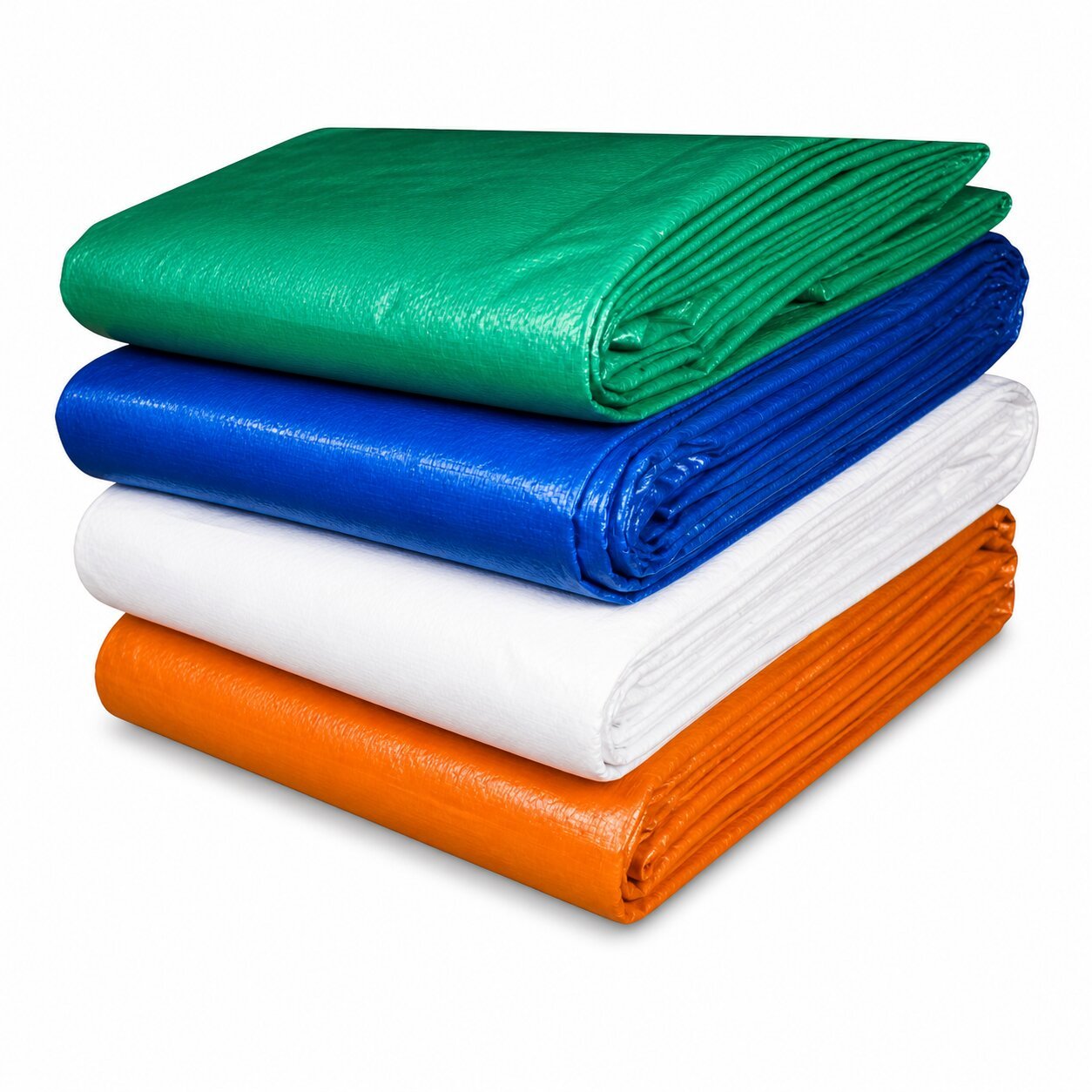
Sustainability has emerged as a defining characteristic for contemporary businesses. Be it retail stores or industrial plants, organizations are going out of their way to reduce waste, save resources, and lower their overall ecological footprint. Of the countless solutions on offer, one exceedingly versatile product takes center stage Heavy Duty Tarpaulin. Much more than a fleeting cover, tarpaulins are strong, reusable, and malleable tools which find great resonance with environmentally friendly initiatives in various industries.
In this article, we shall discuss how tarpaulin, tarpaulins, big tarpaulin, water-proof tarpaulin, tarpaulin sheet, and heavy duty tarpaulin are changing the business strategy for going green, with economic and environmental advantages.
The Need for Environmentally Friendly Business Operations
Today’s consumers increasingly expect responsible environmental practices. Businesses are reacting with green strategies like reducing waste, conserving energy, and using environmentally sustainable materials. The aim is not just to decrease the environmental footprint but also to enhance brand credibility and loyalty.
In this respect, the selection of operational materials is important. Reusable, recyclable, and durable alternatives such as heavy duty tarpaulins inherently complement green goals while providing useful business value.
Heavy Duty Tarpaulin as a Reusable Alternative
Plastic covers that are disposable and single-use protective sheets are prevalent in most industries but generate huge amounts of waste. Conversely, tarpaulin sheets are reusable. A single heavy duty tarpaulin will last for years if properly taken care of, as this means there is less need for constant replenishment.
For instance, a building contractor using big tarpaulins to protect goods from inclement weather does not have to buy weak disposable covers over and over again. Not only does this save money, but also reduces plastic waste, which goes a long way in making the enterprise more sustainable.
Waste Reduction of Energy and Materials Using Tarpaulins
Among the key environmentally friendly advantages of tarpaulins is their capacity for protecting resources and materials from harm. Companies frequently lose good inventory to rain, sun damage, or dust. A water-resistant tarpaulin shields such losses as it keeps goods dry and intact, either stored in yards, transport vehicles, or on commercial locations.
Take the example of a warehouse that holds wood, cloth, or paper goods. Without proper cover, moisture exposure could destroy whole lots, requiring the company to dispose of the spoiled items. With the protection of a tarpaulin sheet, such losses are prevented, materials saved, and waste reduced.
Energy Savings through Shade and Temperature Control
Another underappreciated contribution of tarpaulins to sustainable operations is the saving of energy. Heavy Duty Tarpaulin sheets tend to be employed to provide shaded zones in parking lots, business yards, or outdoor working spaces. Through attenuation of direct sunlight, they help reduce ambient temperatures, reducing the requirement for energy-consuming cooling systems.
For example, restaurants with outdoor dining areas can utilize heavy duty tarpaulin shades rather than depending solely on electric fans or air conditioning. This not only improves customer comfort but also conserves energy, which fits in with the ideals of sustainability.
Heavy Duty Tarpaulin in Recycling and Waste Management
Industrial activities tend to produce substantial amounts of recyclable wastes, which have to be kept and transported in a secure way. Waterproof tarpaulins are used to keep recyclable products such as cardboard, paper, and plastics from being moistened and rendered unfit for recycling.
Furthermore, companies handling construction waste or farm waste usually cover and contain the materials using tarpaulin sheets. This aids in keeping the dust and pollutants from spreading into the atmosphere, helping to provide a cleaner environment.
Durability and Long-Term Cost Efficiency
One of the cornerstones of eco-friendly practices is longevity. Products that last longer inherently reduce waste and resource consumption. Heavy duty tarpaulins are built from reinforced materials that withstand rough handling, harsh weather, and prolonged outdoor exposure.
For companies, such ruggedness means less replacement and less waste of material in the long run. Used as covers for trucks, roofing options, or commercial stock protection sheets, tarpaulins offer a sustainable solution that is in tune with green values.
Versatility Across Industries
The green purpose of tarpaulins cuts across several sectors in commerce:
- Retail: Tarpaulin sheets use in shops and malls for temporary stalls, outdoor sales, and season promotions instead of expensive disposable structures.
- Agriculture: Farmers use waterproof tarpaulins for covering harvested crops, saving water and limiting spoilage.
- Construction: Builders make use of big tarpaulins for scaffolding covers and protection of equipment, reducing wastage of materials.
- Logistics: Transport firms utilize heavy duty tarpaulins as reusable truck covers to avoid damage to cargoes without having to use single-use packaging.
In all these uses, the focus on reusability and preservation of resources emphasizes the contribution of the tarpaulin towards environmentally friendly business practices.
Tarpaulins versus Traditional Materials
Traditional protective measures like corrugated sheets, disposable plastics, and wooden covers tend to lack sustainability. They are high in resources to produce, are not always recyclable, and get destroyed easily.
In contrast, heavy duty tarpaulin provides a light, reusable, and readily recyclable choice. Most contemporary tarpaulins also construct from environmentally friendly materials, which means that companies will further minimize their negative impact on the environment.
Maintenance and Extended Use
To achieve maximum eco-friendly purposes of tarpaulins, good maintenance and care are necessary. Cleaning the tarpaulin regularly, storing it well, and checking for minute tears can significantly prolong a tarpaulin sheet’s lifespan. Repair kits also enable fixing minute damages without replacing the sheet altogether.
This method not only saves companies dollars but also fits into the ideals of a circular economy, in which goods retained in use as long as they needed. Click here if you want to know more about business.
Conclusion: A Practical and Sustainable Business Tool
In a world where companies are under mounting pressure to get sustainable, the function of heavy duty tarpaulin cannot overemphasize. Anything but a covering shield, tarpaulins are a functional, long-lasting, and environmentally friendly option in place of throwaway and resource-squandering materials.
From waste reduction and resource conservation to energy saving and prolonging product life, tarpaulin, tarpaulins, big tarpaulin, water proof tarpaulin, tarpaulin sheet, and heavy duty tarpaulin all bear key responsibilities in creating greener business operations.
By incorporating these multi-purpose sheets into daily practice, companies not only guarantee cost benefits and operational effectiveness but also make effective contributions toward the world’s shift toward sustainability.
