

You almost always know there’s a power cut nearby thanks to the noise made by a generator when it picks up. The deep, relentless hum cuts through walls, interrupts conversations, and makes it harder to focus or sleep.
Now imagine that same generator running inside a dedicated room, day and night, in a residential complex or a commercial building. Without the right measures in place, the noise becomes a genuine problem.
This is where acoustic room treatment comes in. It is one of those solutions that tends to fly under the radar until people realise how much of a difference it actually makes. So let us break it down properly.
What Is Acoustic Room Treatment?
Most people understand an acoustic enclosure as a casing placed around a generator to reduce noise at the source. Acoustic room treatment works a bit differently by focusing on controlling sound within the entire room where the generator is installed.
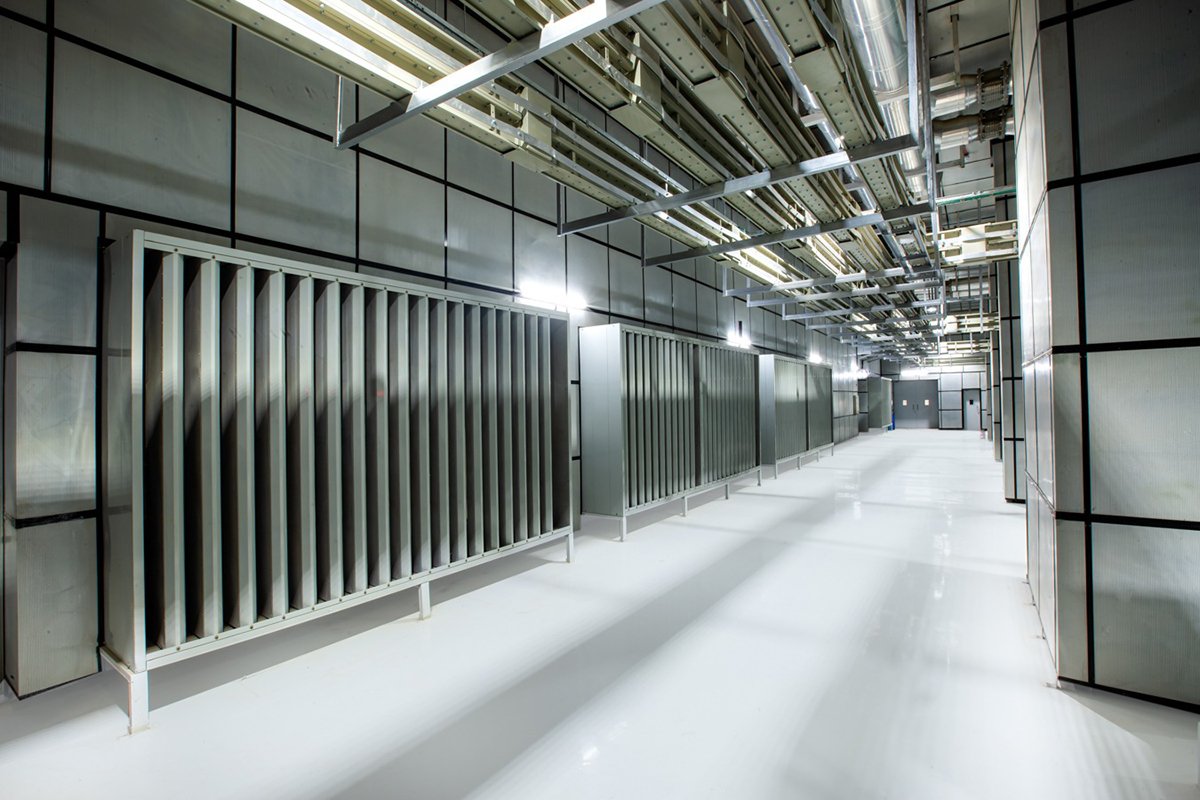
In simple terms, if an acoustic enclosure is the first layer of noise control, room treatment acts as an added layer for better results. It involves covering walls, ceilings, and sometimes floors with sound-absorbing materials like panels, baffles, and insulation to minimise noise escaping outside.
How Is It Different from an Acoustic Enclosure?
It is a fair question, and the two are sometimes confused. Here is a simple comparison:
| Feature | Acoustic Enclosure | Acoustic Room Treatment |
| What it surrounds | The generator unit is directly | The entire DG room |
| Best suited for | Smaller setups, outdoor units | Larger installations, built-in DG rooms |
| Noise reduction method | Direct containment around the genset | Wall, ceiling, and baffle treatment of the room |
| Flexibility | Portable/modular in some cases | Permanent, integrated into the building |
| Additional protection | Shields genset from weather and dust | Manages heat and airflow at the room level |
For most large commercial buildings, hospitals, manufacturing facilities, and residential towers, the genset is installed in a dedicated room within the building. In these cases, room treatment is either used alongside an enclosure or on its own, depending on the noise levels involved and the proximity to occupied spaces.
Why Does It Actually Matter?
This is the part most people do not think about until there is a problem. Here are the key reasons acoustic room treatment deserves attention from the start.
- Noise affects your health
Continuous exposure to generator noise can cause stress, poor sleep, and difficulty focusing. For people nearby, it impacts their daily life. This is where Industrial noise control becomes essential. - Rules are stricter now
Noise regulations in India set clear limits for residential and commercial areas. Without proper Industrial noise control, you may face complaints or penalties. - It protects your generator
A treated DG room also manages heat and airflow, helping the generator run efficiently and last longer, an added benefit of Industrial noise control. - A long-term solution
Unlike temporary fixes, Industrial noise control is a one-time setup that ensures consistent noise reduction and peace of mind.
What Goes into a Well-Designed Acoustic Room?
A good acoustic room treatment solution is not just about piling on insulation. Done incorrectly, excessive layering can trap heat, cause engine derating (where the generator runs below its rated output to prevent overheating), and ultimately shorten its life.
The right approach uses a combination of:
| Component | Purpose |
| Sound-absorbing wall and ceiling panels | Soak up sound waves, preventing them from reflecting and amplifying |
| Parallel baffles | Redirect airflow while blocking sound transmission |
| Ventilation design | Ensures adequate cooling without letting noise escape through air channels |
| Vibration isolation pads | Reduce structural noise transferred through floors and walls |
| Access doors with acoustic seals | Maintain sound containment while allowing maintenance access |
When Should You Consider Acoustic Room Treatment?
Not every situation calls for full room treatment, but there are clear indicators that it is the right choice:
- The DG room shares walls with occupied spaces such as offices, bedrooms, or meeting rooms
- The generator is 125 kVA or above, where the noise output is significantly higher
- The building is in a noise-sensitive zone, such as hospitals, schools, and residential complexes
- Local regulations require compliance with specific dB levels
- An acoustic enclosure alone is not sufficient to bring noise down to acceptable levels
Choosing the Right Partner for the Job
Acoustic room treatment isn’t a ready-made solution. It needs to be customised based on the room size, generator type, and surroundings. If done incorrectly, it can either fail to control noise or restrict airflow, leading to overheating and poor performance.
With over 40 years of experience, ESCON Gensets designs solutions that balance both sound reduction and proper ventilation from the start. Using precision-built panels and a practical approach, they offer reliable and cost-effective acoustic room treatments for long-term performance.
The Bottom Line
A diesel genset is a critical piece of infrastructure, but the noise it generates should not have to be everyone’s problem. Acoustic room treatment is a well-engineered, long-term solution that addresses noise at the source, keeps the equipment running optimally, and ensures that your building remains a comfortable and compliant environment for everyone in it.
