

In 2026, homeowners across Florida are paying closer attention to storm preparedness than ever before. With stronger weather patterns, rising insurance costs, and stricter underwriting requirements, protecting a home from wind damage has become a major priority.
One inspection service leading this shift is the wind mitigation inspection. Once viewed primarily as an insurance formality, this inspection is now recognized as one of the smartest ways to improve home safety, reduce financial risk, and potentially lower insurance premiums.
As severe weather continues impacting coastal and hurricane-prone regions, more homeowners are scheduling inspections proactively rather than waiting until storm season arrives.
Why Wind Protection Matters More in 2026
Florida homes face constant exposure to high winds, tropical storms, and hurricanes. Even well-built properties can suffer roof damage, broken openings, or structural stress during severe weather events.
In recent years, insurance providers have become more selective about the homes they insure. They want evidence that properties include protective features capable of reducing storm-related damage.
This growing demand for documentation has made the wind mitigation inspection an essential part of homeownership in 2026.
What Is a Wind Mitigation Inspection?
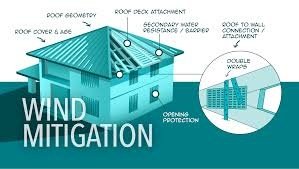
A wind mitigation inspection evaluates the construction features of a home that help reduce wind damage during storms and hurricanes. Inspectors assess how well the property is designed to withstand strong wind pressure and flying debris.
The inspection typically focuses on:
- Roof shape and design
- Roof-to-wall connections
- Roof covering materials
- Secondary water resistance
- Window and door protection
- Structural reinforcement features
A professional wind mitigation inspection provides detailed documentation that homeowners can use for insurance purposes and future property planning.
How Roof Design Impacts Storm Resistance
The roof is one of the most important parts of a wind mitigation inspection because it absorbs the majority of storm pressure during severe weather.
In 2026, homes with reinforced roof systems and stronger attachment methods are considered significantly safer than older structures with outdated designs.
Inspectors carefully evaluate roof connections, fasteners, and materials to determine how effectively the home can resist uplift forces during high winds.
The Insurance Benefits of Wind Mitigation Inspections
One of the main reasons homeowners request inspections is the potential for insurance savings. Many insurance companies offer discounts for homes equipped with wind-resistant construction features.
A completed wind mitigation inspection report may help demonstrate reduced risk, potentially leading to lower premiums depending on the property’s construction.
As insurance costs continue rising in 2026, homeowners are increasingly viewing inspections as a practical financial strategy rather than an optional service.
Why Older Homes Require Special Attention
Older homes often lack modern wind-resistant features, especially properties built before updated building codes were introduced. However, many homeowners are now upgrading roofing systems, shutters, and structural connections to improve protection.
A professional inspection helps identify which improvements already exist and where additional upgrades may be beneficial.
For buyers considering older homes, inspection reports provide valuable insight into the property’s storm readiness and potential insurance costs.
Technology Is Improving Inspection Accuracy
Inspection technology has advanced significantly in recent years. Modern inspectors use digital documentation systems, photography, and detailed reporting methods to provide accurate evaluations.
This technology allows homeowners, insurers, and contractors to clearly understand the condition and protection level of the home. In 2026, these detailed reports are becoming increasingly important during insurance renewals and real estate transactions.
Wind Mitigation and Real Estate Transactions
Storm protection has become a major consideration for homebuyers, particularly in coastal areas. Buyers want reassurance that a property can withstand severe weather and that insurance costs will remain manageable.
A recent wind mitigation inspection can improve buyer confidence and help sellers demonstrate the value of structural upgrades. In competitive real estate markets, documented storm-resistant features can provide a significant advantage.
The Financial Impact of Storm Damage
Roof repairs, interior water damage, and structural restoration following a major storm can be extremely expensive. In some cases, uninsured or underinsured losses create long-term financial hardship for homeowners.
Preventive inspections and strategic upgrades are helping homeowners reduce these risks. In 2026, more property owners are investing in preparation because recovery costs continue increasing each year.
How Wind Mitigation Supports Long-Term Property Value
Homes designed to resist storm damage are becoming more desirable in the real estate market. Buyers increasingly understand the importance of resilient construction and lower insurance risk.
Routine inspections help homeowners maintain these advantages by ensuring that protective features remain in good condition over time.
Conclusion
As weather risks continue evolving, proactive home protection has become essential for Florida homeowners. Storm readiness is no longer just about emergency supplies—it begins with understanding how well a home can withstand high winds.
By scheduling a professional wind mitigation inspection, homeowners can improve safety, strengthen insurance positioning, reduce long-term costs, and protect their property investment.
In 2026, the most prepared homes aren’t just beautiful they’re built and inspected to handle the future.
