

Introduction to Advanced Welding Technology
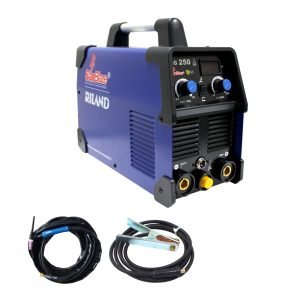
Modern industries require welding solutions that deliver accuracy, strength, and efficiency. A tig welding machine is widely recognized for producing clean and precise welds, especially in applications where appearance and quality are important. This welding method is commonly used in industries such as automotive, aerospace, fabrication, and metalworking due to its reliable performance and excellent finishing results.
Working Process and Features
A tig welding machine uses a non-consumable tungsten electrode to create the weld. The process is supported by shielding gas, which protects the weld area from contamination and ensures a smooth finish. This technique allows greater control over heat and welding speed, making it suitable for delicate and thin materials.
One of the major advantages of a tig welding machine is its ability to produce accurate welds with minimal spatter. This reduces the need for additional cleaning and finishing work after welding. The machine also supports welding on different metals such as stainless steel, aluminum, copper, and mild steel, making it highly versatile for industrial and professional use.
Applications in Different Industries
The demand for precision welding has increased across multiple sectors. A tig welding machine is commonly used for manufacturing pipelines, vehicle components, metal furniture, and industrial equipment. It is also preferred for projects that require detailed craftsmanship and visually clean welds.
In repair and maintenance operations, this technology helps restore damaged metal parts with strong and durable joints. Its capability to handle thin sections without causing distortion makes it an ideal solution for high-quality fabrication work.
Benefits of Using Modern Equipment
One of the key benefits of a tig welding machine is its superior weld quality. The controlled welding process ensures strong joints and smooth finishes, which are essential for critical industrial applications. The machine is also energy efficient and designed for stable performance during long working hours.
Another important advantage is operational flexibility. Professionals can easily adjust settings according to the material type and thickness, allowing better precision and productivity. This helps businesses improve efficiency while maintaining consistent welding standards.
Conclusion
As industries continue to focus on precision and durability, advanced welding equipment has become increasingly important. A tig welding machine offers excellent control, clean welds, and reliable performance for a wide range of applications. Its ability to deliver high-quality results with minimal defects makes it a preferred choice for professionals seeking efficient and long-lasting welding solutions.
