

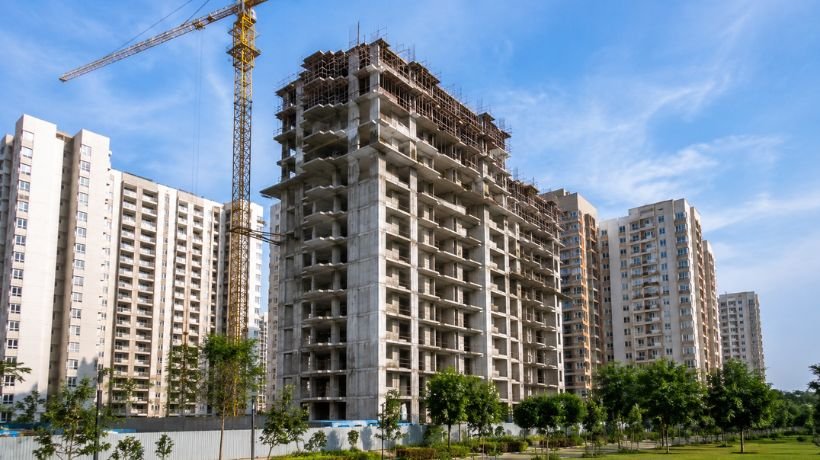
Chennai’s real estate market has evolved rapidly over the past decade, especially in the residential sector. With increasing urbanization, rising land value, and growing demand for modern housing, many landowners are exploring smarter ways to develop their properties. One of the most effective and profitable methods today is Joint Venture Construction in Chennai. This model allows landowners and builders to collaborate for residential development projects while sharing profits, responsibilities, and benefits in a structured manner.
A residential joint venture project is generally an agreement between a property owner and a construction company or developer. The landowner contributes the land, while the builder manages the construction, approvals, planning, and marketing activities. Once the project is completed, both parties share the developed units or profits according to the terms mentioned in the agreement. This approach has become highly popular in Chennai because it benefits both landowners and developers without requiring heavy investment from the property owner.
Efficient Utilization of Valuable Land
One of the biggest advantages of residential joint venture construction is the proper utilization of land. Many landowners in Chennai own plots in prime residential areas but may not have the financial capability or technical knowledge to develop them independently. In several cases, old independent houses occupy large plots but remain underutilized.
Through a joint venture agreement, developers can transform these properties into modern residential apartments or gated communities. This helps maximize the value of the land while creating high-quality housing units that meet current market demand. It also contributes to the modernization of residential neighborhoods across the city.
Reduced Financial Burden for Landowners
Constructing a residential project requires significant investment in labor, materials, approvals, architecture, engineering, and project management. For many property owners, arranging such funds can be difficult. Residential joint venture projects reduce this burden considerably because the developer typically handles the construction costs.
Instead of selling the land outright, property owners can retain ownership in the form of completed flats or profit shares. This gives them long-term financial benefits and better returns compared to a direct land sale. In many cases, landowners also receive rental income opportunities from the completed units.
Access to Professional Construction Expertise
Residential construction projects involve several technical and legal processes. Builders and developers bring years of industry experience and professional expertise to manage these aspects efficiently. From obtaining approvals and preparing architectural designs to handling construction and project execution, developers manage the entire process professionally.
This ensures that the residential project meets quality standards, follows local building regulations, and includes modern construction techniques. Professional project management also helps improve safety, durability, and overall design quality.
Better Quality Residential Developments
Modern homebuyers expect residential projects to include advanced amenities and well-planned infrastructure. Joint venture developments usually offer features such as elevators, covered parking, CCTV security, landscaped gardens, power backup, water management systems, and recreational spaces.
Older residential buildings or independent homes may lack these facilities. Through joint venture construction, landowners can upgrade their properties into modern residential developments that attract buyers and improve overall living standards.
Higher Profit Potential
One of the major reasons why residential joint venture projects are becoming popular in Chennai is the opportunity for higher profits. Property values in Chennai continue to increase steadily, especially in well-developed residential areas. By participating in a joint venture project, landowners can benefit from future appreciation in property value.
Instead of receiving a one-time payment through a land sale, landowners receive developed residential units or a percentage of the project profits. This often results in significantly better financial returns over time.
Developers also benefit because they gain access to prime land without purchasing it outright, helping them reduce initial investment costs and improve project feasibility.
Shared Risks and Responsibilities
Another key advantage of residential joint venture construction is risk sharing. In a traditional construction model, the landowner may face all financial and operational risks independently. However, in a joint venture arrangement, risks are shared between the landowner and the builder.
The developer takes responsibility for construction, labor management, approvals, procurement, and project execution, while the landowner contributes the property. This balanced partnership reduces pressure on both parties and creates a mutually beneficial arrangement.
Faster Project Completion
Experienced developers usually have dedicated teams for architecture, engineering, legal approvals, procurement, and project supervision. Their organized workflow helps speed up project execution and reduce delays.
Faster project completion benefits both the landowner and the builder. Landowners receive their share of residential units sooner, while developers can market and sell the remaining apartments more efficiently. Timely project completion also improves customer satisfaction and enhances the project’s market value.
Redevelopment of Old Residential Properties
Several residential areas in Chennai consist of aging independent houses and outdated buildings. Redevelopment through joint venture projects has become an effective solution for upgrading these properties.
By replacing older structures with modern apartment complexes, neighborhoods experience improved infrastructure, better space utilization, and enhanced property value. Redevelopment also supports Chennai’s growing urban housing requirements while improving the city’s residential landscape.
Flexibility in Project Agreements
Joint venture agreements can be customized according to the expectations of both parties. The sharing ratio, number of apartments allocated, project timeline, and construction responsibilities can all be clearly discussed and finalized before the project begins.
This flexibility allows both landowners and developers to create agreements that suit their financial goals and project requirements. Transparent agreements also help avoid misunderstandings during project execution.
Growing Demand for Residential Housing
Chennai continues to witness strong demand for residential housing due to population growth, IT sector expansion, infrastructure development, and improved connectivity. Areas with good schools, hospitals, transportation facilities, and commercial access are especially attracting homebuyers.
Joint venture residential projects help meet this growing demand by creating modern housing developments in established residential areas. Buyers today prefer apartments with better amenities, security, and organized infrastructure, making joint venture developments highly attractive.
Conclusion
Residential joint venture construction has become an important part of Chennai’s real estate growth. It offers significant benefits for both landowners and developers by combining valuable land assets with professional construction expertise. From reducing financial burden and improving land utilization to increasing profit potential and modernizing residential neighborhoods, joint venture projects provide long-term advantages for everyone involved.As Chennai’s residential market continues to expand, well-planned joint venture developments are expected to play a major role in shaping future urban housing. Growing buyer interest in modern homes and quality Apartments for Sale in Kk Nagar Chennai further highlights the importance of professionally managed residential projects in prime city locations.
