

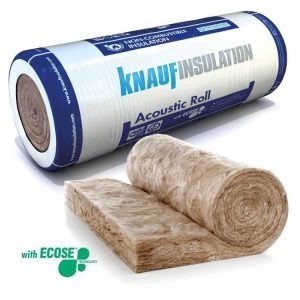
Modern insulation products are expected to do more than simply retain heat. High-performance insulation rolls can provide both thermal efficiency and effective sound absorption, making them valuable additions to residential and commercial buildings. By reducing heat loss and controlling airborne noise, these products contribute to greater comfort and energy savings. Understanding how dual-purpose insulation works helps property owners select materials that enhance overall building performance and efficiency.
The Dual Challenge of Modern Buildings
Energy efficiency and acoustic comfort are both high on the agenda for new builds and renovations, yet they are often treated as entirely separate problems requiring separate solutions. The reality is that many of the same air gaps and thin partitions that allow heat to escape also allow noise to travel freely. Addressing both challenges with well-chosen insulation products is one of the more efficient ways to improve a building’s overall performance.
Roll format insulation products are particularly versatile in this regard. They can be cut to length on site, fitted between joists, studs, and rafters without specialist tools, and used in positions where rigid boards would be impractical. Understanding the different types available helps in making the right choice for each part of the building envelope.
What Acoustic Insulation Rolls Contain
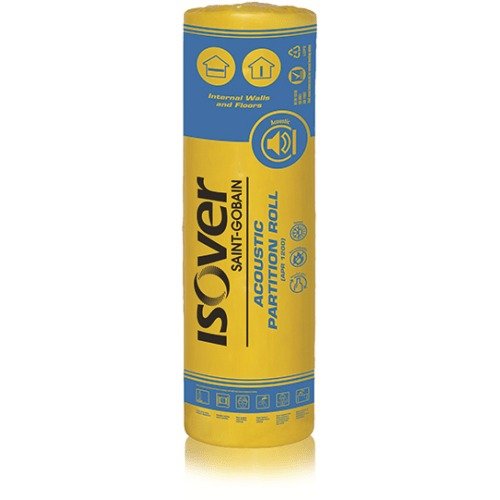
The most widely used acoustic insulation rolls in UK construction are mineral wool based — either glass wool or rock wool. Both materials consist of fine fibres that trap air within their matrix, making them excellent at absorbing sound energy. Rock wool is denser than glass wool and tends to offer better low-frequency absorption, making it the preferred choice for party walls and floor cavities where bass frequencies are the primary concern.
Roll products are typically available in widths matched to standard stud and joist spacings of 400 mm and 600 mm, making installation straightforward. Thicker rolls offer better performance but require deeper joist or stud profiles to achieve a flush finish. Compression-fitted installation — where the roll is slightly oversized for its cavity — ensures continuous contact without gaps at the edges.
The Role of Foil Backing in Insulation Systems
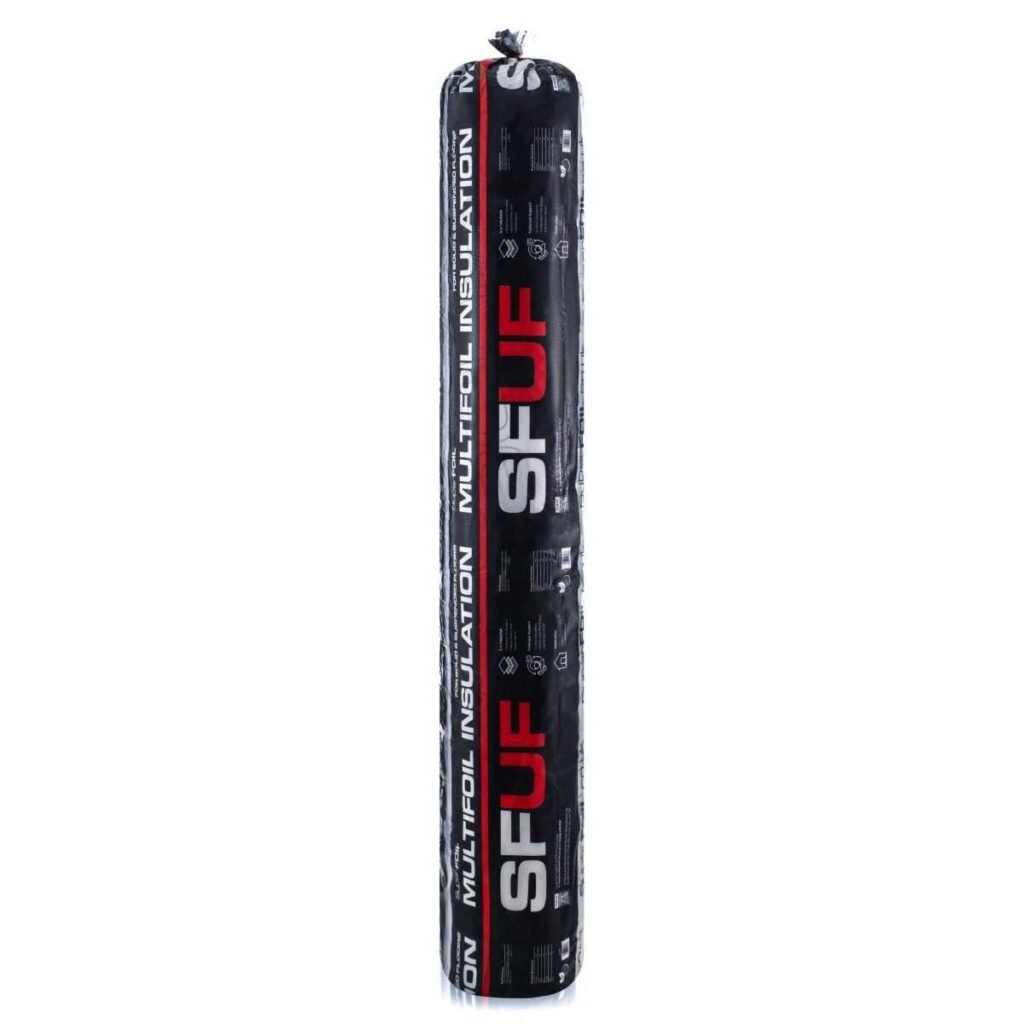
While acoustic rolls focus primarily on sound absorption, foil insulation products address thermal radiation from an entirely different angle. Multi-layer foil products work by reflecting radiant heat back towards its source rather than absorbing it, making them particularly effective in roof spaces, under-floor applications, and within cavity walls where convective loops would otherwise carry heat away.
Where foil products and acoustic rolls are used together in the same assembly — a common approach in converted loft spaces — the foil layer handles the radiation component of thermal loss while the mineral wool addresses both conduction and airborne noise. The combination can achieve thermal and acoustic values significantly better than either product alone.
Choosing Between Roll Types: A Quick Guide
| Application | Recommended Roll Type | Key Benefit |
| Stud walls / party walls | Rock wool acoustic roll | Mass and low-frequency absorption |
| Timber floor cavities | Glass wool roll (medium density) | Airborne isolation and thermal |
| Roof rafters | Foil-backed glass wool roll | Thermal reflection + absorption |
| Underfloor (suspended timber) | Foil-backed rock wool roll | Dual thermal and acoustic |
Installation Tips for Best Results
Insulation rolls should always be installed without compression beyond the minor friction-fit needed to hold them in place. Compressed insulation loses a significant proportion of its thermal and acoustic resistance. In floor cavities, netting or support strips prevent sagging over time, which would create gaps at the top of the cavity and seriously degrade acoustic performance.
Continuity is essential. Any gap however small around pipes, wires, or at junctions between rolls represents a potential sound and heat leak. Overlapping roll ends by 50–75 mm and filling all service penetrations with appropriate sealant completes the system properly.
Conclusion
Acoustic insulation rolls and complementary foil-backed products offer a practical, cost-effective way to improve both the thermal and acoustic performance of walls, floors, and roofs in a single operation. Insulation Point Limited carries a wide selection of roll products in standard and specialist grades, ensuring you can find the right specification for every part of your project.