

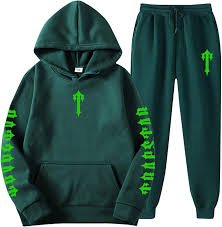
The Rise of Streetwear Culture in the Digital Era
Social media has transformed the way fashion trends emerge and spread across the world. Platforms such as Instagram, TikTok, and Pinterest have become powerful spaces where brands can connect directly with audiences. Streetwear, once limited to local communities, now reaches millions of people within seconds. In this rapidly evolving landscape, Trapstar has gained significant visibility through influencer collaborations, user-generated content, and viral fashion posts. The brand’s urban identity resonates with younger consumers who value authenticity, creativity, and self-expression. As a result, social media has become a major driver behind the growing popularity of modern streetwear culture.
Why Social Media Amplifies Fashion Trends
Fashion trends move faster than ever because of the constant flow of digital content. Consumers no longer wait for seasonal fashion magazines to discover new styles. Instead, they rely on influencers, creators, and trendsetters who showcase outfits daily. In this environment, Trapstar benefits from continuous exposure through reels, short-form videos, and fashion-focused communities. The visual nature of social media allows users to instantly connect with clothing designs and styling ideas. This immediate accessibility encourages engagement, discussions, and purchases, helping fashion brands strengthen their influence among highly active online audiences.
Celebrity Endorsements and Online Visibility
Celebrity influence remains one of the strongest factors shaping online fashion preferences. When musicians, athletes, and entertainers share their outfits online, followers often seek to recreate similar looks. Many public figures have embraced streetwear aesthetics, and Trapstar frequently appears within these digital fashion conversations. Social media platforms magnify the impact of celebrity endorsements because images and videos can reach global audiences instantly. This visibility creates a sense of exclusivity and desirability around certain fashion pieces. Consequently, celebrity-driven exposure helps brands establish credibility while expanding their reach among diverse consumer groups.
The Role of Influencers in Shaping Consumer Choices
Influencers have become modern fashion authorities whose recommendations affect purchasing decisions worldwide. Their content often feels more personal and relatable than traditional advertising campaigns. Through outfit inspiration, styling tutorials, and product reviews, Trapstar gains exposure among audiences that trust influencer opinions. These creators demonstrate how streetwear pieces can fit different lifestyles, making fashion more accessible and practical. Followers engage with these recommendations because they see real-world applications rather than polished advertisements. As influencer marketing continues to evolve, its impact on brand awareness and customer engagement remains exceptionally strong.
User-Generated Content and Brand Growth
One of the most valuable aspects of social media is the ability for customers to participate directly in brand storytelling. People enjoy sharing their outfits, fashion inspiration, and styling techniques online. Through user-generated content, Trapstar receives authentic promotion from individuals who genuinely appreciate the brand. This organic visibility helps create trust among potential customers while encouraging community engagement. Fashion enthusiasts often discover new styles through peers rather than advertisements. As more users share their experiences, the brand’s online presence expands naturally, contributing to sustained growth and stronger audience relationships.
Creating a Sense of Community Through Fashion
Successful fashion brands do more than sell products; they create communities built around shared interests and identities. Social media encourages interaction between brands and consumers through comments, challenges, and collaborative content. Within these digital communities, Trapstar serves as a symbol of contemporary streetwear culture and creative self-expression. Followers connect with others who share similar fashion preferences, creating a sense of belonging. This emotional connection strengthens customer loyalty and encourages ongoing engagement. As a result, fashion becomes more than clothing it becomes a form of identity and social participation.
The Popularity of Signature Streetwear Pieces
Certain products become iconic because they consistently appear across social media feeds and fashion discussions. Consumers often seek recognizable pieces that reflect current trends while maintaining individuality. Among these highly visible items, Pull Trapstar continues to attract attention due to its distinctive streetwear appeal and versatile styling options. Fashion creators frequently incorporate such garments into everyday looks, demonstrating their adaptability across different occasions. This repeated exposure reinforces consumer interest while helping specific product categories remain relevant in an increasingly competitive digital marketplace.
Visual Storytelling and Brand Identity
Strong visual storytelling plays a crucial role in modern fashion marketing. Brands must communicate their values, personality, and style through compelling imagery and video content. Social media provides the perfect platform for showcasing creative campaigns and authentic customer experiences. Through carefully curated content, Trapstar strengthens its identity while connecting emotionally with audiences. Visual consistency helps consumers recognize the brand instantly, even within crowded digital spaces. Effective storytelling transforms simple products into meaningful fashion statements, making consumers more likely to engage with content and develop long-term brand loyalty.
The Influence of Viral Fashion Challenges
Viral challenges have become a powerful method for increasing brand visibility and audience participation. These trends encourage users to create and share content while showcasing their personal style. During many fashion-related challenges, Sacoche Trapstar appears as part of outfit transformations, styling competitions, and trend-focused videos. Such participation generates widespread exposure without relying solely on traditional advertising methods. Viral content often reaches audiences beyond existing followers, introducing brands to entirely new demographics. This dynamic environment allows fashion labels to remain relevant while continuously attracting fresh interest and engagement.
Future Trends in Social Media Fashion Marketing
The relationship between social media and fashion will continue evolving as technology advances and consumer behaviors change. Emerging tools such as augmented reality, artificial intelligence, and interactive shopping experiences are reshaping the digital fashion landscape. As these innovations become more widespread, Trapstar is well positioned to maintain relevance through creative content and community-driven engagement. Products like T shirt Trapstar demonstrate how recognizable streetwear items can thrive within modern online ecosystems. Brands that prioritize authenticity, innovation, and meaningful audience connections will continue influencing fashion conversations and shaping future trends across social media platforms worldwide.
Read More About This Article Click Here
