

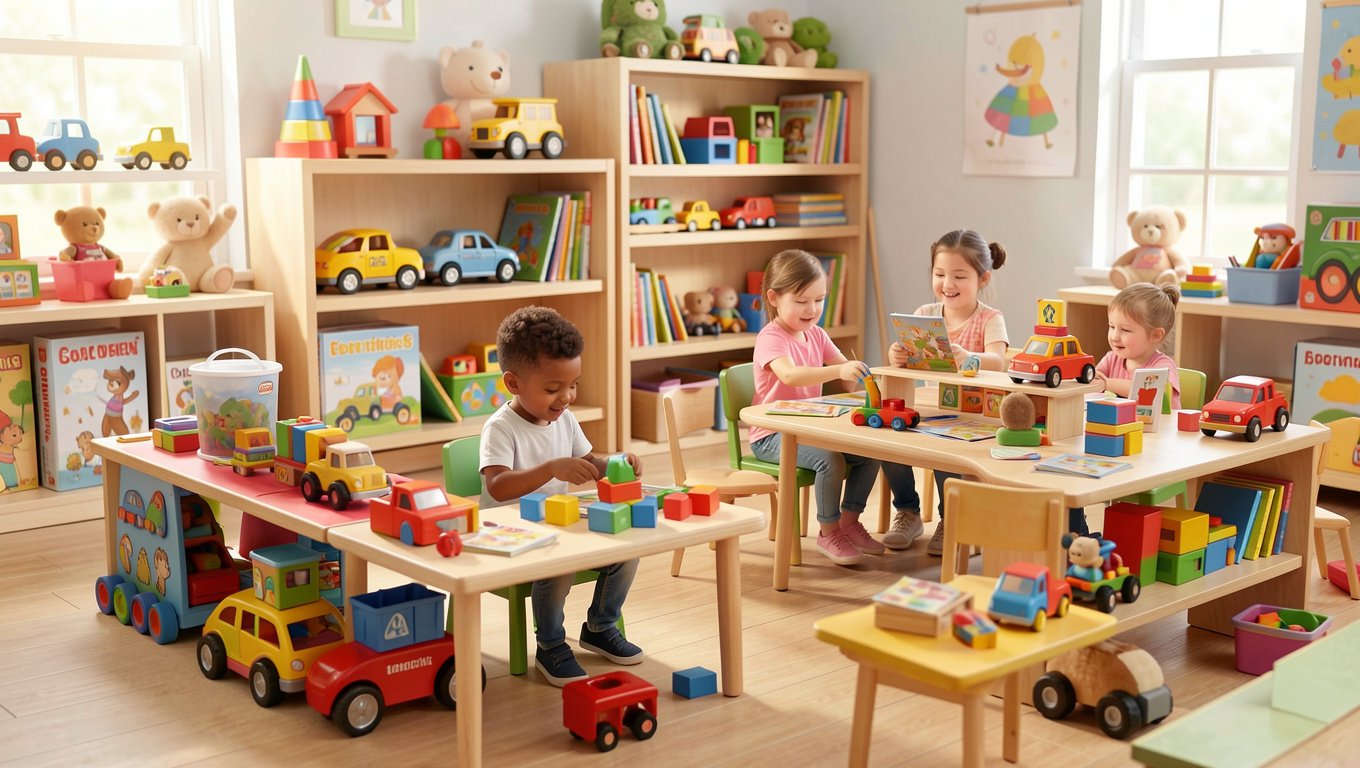
Starting a toy business can be an exciting and rewarding venture, particularly in the UK, where the toy industry continues to generate billions of pounds in annual sales. From educational toys and action figures to board games and collectibles, there is a growing demand for innovative products that entertain, educate, and inspire children and adults alike.
However, building a successful toy business requires more than a great idea. Entrepreneurs must understand market trends, product development, safety regulations, branding, marketing, and customer expectations. Whether you plan to manufacture your own toys or sell products sourced from suppliers, having a solid foundation is essential for long-term success.
This guide explores the key requirements for starting a toy business and the steps needed to build a strong and profitable brand.
Understand the Toy Market
Before investing money into a toy business, it is important to research the industry thoroughly.
Start by identifying:
- Current toy trends
- Customer preferences
- Popular toy categories
- Competitor offerings
- Market gaps
Popular toy categories in the UK include:
- Educational toys
- STEM toys
- Action figures
- Board games
- Collectibles
- Outdoor toys
- Arts and crafts products
Understanding your target audience helps you create products and marketing strategies that meet customer needs.
Choose Your Toy Business Model
There are several ways to enter the toy industry.
Common business models include:
Manufacturing Your Own Toys
This option gives you complete control over:
- Product design
- Branding
- Quality standards
- Pricing
However, it usually requires a larger investment.
Private Label Toys
Private label businesses work with manufacturers that produce toys under your brand name.
Advantages include:
- Lower production costs
- Faster market entry
- Simplified manufacturing processes
Retail and Reselling
Many entrepreneurs begin by sourcing toys from wholesalers and selling them through:
- Online shops
- Marketplaces
- Physical retail stores
This approach often requires less upfront capital.
Create a Business Plan
A detailed business plan serves as the roadmap for your toy business.
Your plan should include:
Business Overview
- Business name
- Mission statement
- Product focus
Market Research
- Target audience
- Competitor analysis
- Industry trends
Financial Planning
- Startup costs
- Sales projections
- Profit targets
Marketing Strategy
- Branding plans
- Advertising methods
- Customer acquisition goals
A strong business plan helps guide decision-making and attract potential investors if needed.
Develop Unique Toy Products
Successful toy businesses often stand out because they offer something different.
When developing products, consider:
- Educational value
- Entertainment factor
- Durability
- Safety
- Originality
Ask yourself:
- What problem does the toy solve?
- What makes it different from competitors?
- Why would customers choose it?
Unique products often have a greater chance of gaining attention in competitive markets.
Understand UK Toy Safety Regulations
Safety is one of the most important aspects of the toy industry.
Toys sold in the UK must comply with relevant safety standards and regulations.
Key considerations include:
- Material safety
- Choking hazard prevention
- Age suitability
- Product testing
- Warning labels
Businesses should ensure products meet all legal requirements before reaching consumers.
Failure to comply with safety standards can lead to product recalls, financial penalties, and damage to brand reputation.
Find Reliable Manufacturers and Suppliers
If you plan to manufacture toys, choosing the right supplier is critical.
Look for suppliers that offer:
- Consistent quality
- Reliable production schedules
- Competitive pricing
- Safety compliance
Before committing to large orders:
- Request samples
- Conduct quality checks
- Review production capabilities
Strong supplier relationships help maintain product consistency and customer satisfaction.
Build a Strong Brand Identity
Branding helps customers recognise and trust your business.
A strong toy brand should include:
- A memorable business name
- Professional logo design
- Consistent colours and visuals
- Clear brand messaging
Your brand should reflect your target audience and product values.
For example:
- Educational toys may emphasise learning and development.
- Collectibles may focus on creativity and exclusivity.
Strong branding can significantly improve customer loyalty and market recognition.
Invest in Professional Packaging
Packaging is an important part of the customer experience.
Good packaging should:
- Protect products
- Communicate product information
- Strengthen branding
- Improve shelf appeal
Businesses selling figures and collectibles often invest in custom action figure packaging to enhance presentation and protect products during shipping and retail display.
Professional packaging helps create a positive first impression and supports long-term brand growth.
Create an Online Presence
Modern toy businesses need a strong digital presence.
A professional website should include:
- Product listings
- Company information
- Customer support details
- Secure payment options
A well-designed website builds trust and provides customers with an easy purchasing experience.
Search engine optimisation (SEO) can also help increase visibility in online searches.
Use Social Media Marketing
Social media is one of the most effective ways to market toy products.
Popular platforms include:
- TikTok
- YouTube
Content ideas include:
- Product demonstrations
- Unboxing videos
- Customer reviews
- Educational content
- Behind-the-scenes updates
Visual platforms are particularly valuable for showcasing toy features and engaging with customers.
Sell Through Multiple Channels
Successful toy businesses often use multiple sales channels.
Options include:
E-commerce Websites
Selling directly through your website gives you greater control and higher profit margins.
Online Marketplaces
Popular marketplaces can help increase visibility and attract customers quickly.
Retail Partnerships
Working with retailers can expand your customer reach and improve brand exposure.
Diversifying sales channels reduces dependence on a single revenue source.
Focus on Customer Experience
Customer satisfaction is essential for long-term success.
Excellent customer service includes:
- Fast responses
- Clear communication
- Easy returns
- Reliable shipping
Positive customer experiences encourage:
- Repeat purchases
- Positive reviews
- Word-of-mouth recommendations
Building strong customer relationships often leads to sustainable business growth.
Manage Your Finances Carefully
Financial planning is critical for any startup.
Monitor key areas such as:
- Production costs
- Marketing expenses
- Shipping fees
- Inventory levels
Good financial management helps businesses:
- Maintain profitability
- Avoid cash flow problems
- Plan for growth
Using accounting software can simplify financial tracking and reporting.
Packaging and Brand Presentation
As competition increases, presentation becomes more important.
Many toy businesses use custom toy packaging boxes to improve brand visibility and create a professional image.
Quality packaging can:
- Increase perceived value
- Strengthen customer trust
- Support marketing efforts
Customers often judge products by their packaging before making purchasing decisions.
Stay Updated on Industry Trends
The toy market evolves constantly.
Current trends include:
- Educational toys
- Eco-friendly products
- STEM learning toys
- Collectibles
- Interactive technology
Keeping up with trends helps businesses remain competitive and relevant.
Regular market research allows companies to adapt to changing customer preferences.
Common Mistakes to Avoid
New toy businesses often struggle because they:
- Ignore market research
- Underestimate startup costs
- Neglect branding
- Overlook safety regulations
- Invest too heavily in inventory
Learning from these common mistakes can save time and money.
Tips for Long-Term Success
To build a sustainable toy business:
- Focus on quality products
- Prioritise safety
- Invest in branding
- Deliver excellent customer service
- Monitor market trends
- Build strong supplier relationships
Consistency and customer trust are key factors in long-term growth.
Final Thoughts
Starting a toy business requires careful planning, market research, and a commitment to quality. From understanding customer needs and complying with safety regulations to developing strong branding and effective marketing strategies, every step plays a role in building a successful business.
The most successful toy brands combine creativity with sound business practices. By focusing on product quality, customer satisfaction, professional packaging, and ongoing innovation, entrepreneurs can create a toy business that stands out in the competitive UK market and continues to grow for years to come.
