

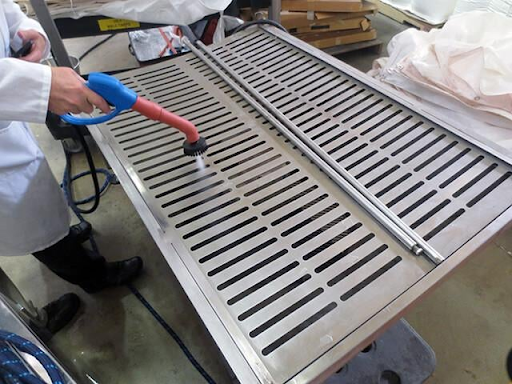
A clean-looking surface has a way of tricking the eye. You wipe a kitchen counter, and it shines. Bathroom smells fine after a spray, so you assume it’s sorted. But that “looks clean” feeling doesn’t always match what’s actually sitting on the surface. Germs don’t really announce themselves. They stay behind quietly, and that’s usually where routine cleaning starts falling short.
That gap is exactly why steam-based cleaning keeps coming up in conversations. A steam cleaner for sanitizingsounds almost too simple at first glance. Hot vapor, no chemicals, done. But once you actually understand it, things feel a bit more grounded. It helps a lot, sure, just not in the exaggerated way people sometimes expect.
Why Cleaning Myths Around Steam Still Exist?
Steam feels intuitive. You heat water, it turns into vapor, vapor is hot, and heat kills germs. That’s the logic most people carry. And honestly, it’s not wrong. It’s just incomplete.
People tend to assume a few things without questioning them:
● Steam removes all bacteria instantly
● It replaces every cleaning product
● It works the same on every surface
● One quick pass finishes the job
Reality doesn’t really follow that clean pattern. Heat needs time. Surfaces matter. Some grime acts like a shield. So while a steam cleaner for sanitizing is effective, it still depends heavily on how it’s used and what you expect from it.
How A Steam Cleaner Actually Works?
At a basic level, it’s simple engineering. Water gets heated until it becomes pressurized steam, and that steam is directed onto surfaces. The heat loosens dirt, softens buildup, and disturbs microbial activity.
The actual flow looks something like this:
● water heats inside a sealed tank
● steam builds pressure and gets released through a nozzle
● hot vapor breaks down grease and dirt layers
● Wiping removes what gets loosened
That last part matters more than people think. Steam doesn’t just “erase” everything. It lifts and loosens, and then wiping finishes the job.
Used properly, a steam cleaner for sanitizing does noticeably improve hygiene on hard surfaces like tiles, sealed floors, kitchen counters, and bathroom fixtures. It’s less about magic and more about heat doing the heavy lifting.
Myth 1: Steam Kills Everything Instantly
This is probably the biggest misunderstanding out there. Heat does kill a lot of bacteria and viruses, but not in a universal, instant way.
A few realities get ignored here:
● Some microbes need longer exposure to high heat
● thick dirt layers block steam from reaching deeper areas
● Certain spores are more resistant than expected
So when someone uses a best steam cleaner for sanitizing, the result depends on patience and coverage, not speed. Quick passes usually don’t tell the full story.
Myth 2: Steam Replaces All Other Cleaning Methods
This is where expectations often go a bit off track. Steam is powerful, but it doesn’t eliminate the need for basic cleaning habits.
In real use, you still run into situations like:
● greasy kitchen areas needing a wipe first
● stains that need scrubbing before steaming
● fabrics that require separate cleaning methods
A steam cleaner for sanitizing works best when it supports cleaning, not replaces it. It’s more like the final layer that improves hygiene, not the first step that does everything.
Myth 3: All Steam Cleaners Perform The Same
This one usually becomes obvious only after people try a cheaper model. Not all machines behave the same way, and that difference shows quickly in results.
What actually varies:
● how stable the steam temperature stays
● whether steam is continuous or uneven
● nozzle design and reach
● tank size and pressure consistency
The best steam cleaner for sanitizing is less about branding and more about control. If the steam isn’t steady, results won’t be either.
What Steam Cleaning Does Well In Real Life?
When expectations are realistic, steam cleaning becomes genuinely useful. Not dramatic, just useful in a steady, reliable way.
It tends to work best on:
● kitchen surfaces that get daily buildup
● bathroom tiles and grout lines
● sealed flooring in regular-use areas
● corners where dust gathers quietly
● quick sanitizing after normal cleaning
It’s also useful in homes where people want to reduce chemical use. Kids, pets, or sensitivity issues often push people toward simpler cleaning methods, and steam fits into that space naturally.
Where Steam Cleaning Hits Its Limits?
No tool handles everything, and steam definitely has boundaries. It struggles with:
● unsealed wood or delicate finishes
● heavy oil or industrial residue
● deep fabric contamination
● large-scale cleaning without proper equipment
Even the best steam cleaner for sanitizing won’t fix issues that are already deep inside materials. It works on surfaces, not structural buildup.
How To Use Steam Without Overthinking It
Most problems don’t come from the machine itself. They come from how it’s used. Keeping it simple usually gives better results.
A practical rhythm looks like this:
● remove visible dirt before steaming
● move slowly instead of rushing passes
● Let the surfaces dry properly after use
● switch attachments based on material
● Revisit high-touch spots more often
It’s not complicated. It just needs consistency.
Choosing Expectations Over Hype
People often focus too much on buying the perfect device. The better approach is understanding what the tool is actually meant to do. A steam cleaner for sanitizing is not a shortcut that replaces cleaning habits. It supports them. It makes hygiene easier to maintain, not effortless.
A realistic mindset usually looks like:
● using steam as maintenance, not rescue
● combining it with regular cleaning routines
● focusing on frequently touched areas
● letting results build over time instead of expecting instant perfection
The best steam cleaner for sanitizing becomes valuable when it fits into a routine instead of being treated like a one-time fix.
Conclusion
Steam cleaning sits somewhere between practical science and misunderstood expectation. It is effective, but not magical. It improves hygiene, but doesn’t replace the basics. A steam cleaner for sanitizing works best when you understand its actual role: reducing germs, loosening dirt, and supporting cleaner surfaces over time. Not everything gets eliminated instantly, and not every surface reacts the same way. The best steam cleaner for sanitizing is ultimately the one you use consistently and correctly, not the one that promises too much. When you stop expecting perfection and start using it as part of a routine, it quietly does its job in the background, and that’s where its real value shows up.
