

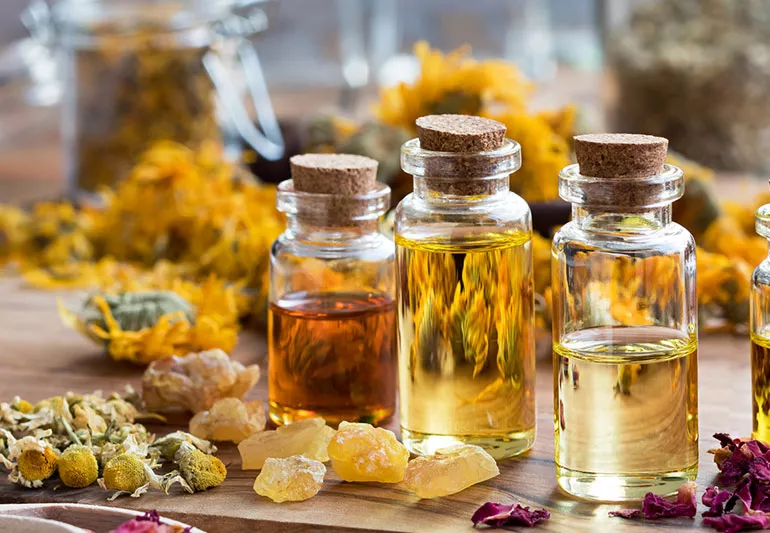
The global demand for essential oils continues to grow across industries such as cosmetics, personal care, aromatherapy, pharmaceuticals, food flavoring, and wellness products. As businesses expand their product lines, finding reliable essential oil bulk suppliers becomes an important step in ensuring quality, consistency, and competitive pricing.
Whether you are a small business, private label brand, retailer, or industrial buyer, partnering with experienced suppliers can help you secure premium-quality oils while maintaining a steady supply chain.
Why Choose Bulk Essential Oil Suppliers?
Buying essential oil bulk manufacturers offers several advantages. Businesses can reduce per-unit costs, maintain inventory levels, and ensure product consistency across multiple batches. Bulk purchasing also allows companies to meet increasing market demand without facing frequent procurement challenges.
Professional suppliers typically offer a wide range of essential oils, including lavender, peppermint, eucalyptus, tea tree, lemon, rosemary, and many other botanical extracts. These products are often available in different packaging sizes to meet the needs of various industries.
Key Qualities to Look for in a Supplier
When selecting a supplier, it is important to evaluate several factors before making a purchasing decision.
Product Quality
Quality should always be the top priority. Reputable suppliers provide pure essential oils that undergo rigorous testing procedures. Certificates of Analysis (COA), GC-MS reports, and quality documentation help verify authenticity and purity.
Reliable Sourcing
The best suppliers maintain strong relationships with growers and farmers. Ethical sourcing practices help ensure consistent product quality while supporting sustainable agricultural methods.
Manufacturing Standards
Trusted manufacturers follow strict quality control procedures during extraction, processing, and packaging. Compliance with international standards demonstrates a commitment to delivering safe and effective products.
Competitive Pricing
Businesses purchasing large quantities often benefit from volume discounts. Comparing pricing structures among different suppliers can help identify the best value without compromising quality.
Customer Support
Excellent customer service plays a significant role in long-term business relationships. Responsive communication and technical support can simplify the purchasing process and resolve issues efficiently.
Industries That Depend on Bulk Essential Oils
Essential oils are used across numerous sectors worldwide.
Personal Care and Cosmetics
Many skincare, haircare, and beauty products contain essential oils due to their fragrance and beneficial properties.
Aromatherapy and Wellness
The wellness industry extensively uses essential oil suppliers in diffusers, massage blends, and spa treatments.
Pharmaceutical Applications
Certain oils are incorporated into healthcare formulations and wellness products due to their natural properties.
Food and Beverage Industry
Some essential oils are used as flavoring ingredients in food and beverage manufacturing under appropriate regulatory guidelines.
Household Products
Cleaning products, room fresheners, candles, and detergents frequently utilize essential oils for their natural fragrance profiles.
The Importance of Wholesale Purchasing
Businesses seeking long-term growth often choose wholesale purchasing options to streamline operations. Wholesale buying allows companies to maintain stable inventory levels while reducing procurement costs.
In addition, wholesale purchasing supports product consistency, which is especially important for brands producing large quantities of finished goods. Reliable supply chains help businesses avoid production delays and maintain customer satisfaction.
Role of Distributors in the Supply Chain
Professional distributors play an important role in connecting producers with businesses around the world. They help manage logistics, inventory, transportation, and regional availability.
Working with established distributors can provide access to a broader selection of essential oils and faster delivery times. This is particularly valuable for businesses operating in multiple markets or regions.
Packaging and Storage Considerations
Proper packaging is critical for preserving the quality of essential oil wholesale. High-quality suppliers use suitable containers designed to protect oils from light, heat, and oxidation.
Businesses purchasing oils in large quantities should also ensure proper storage conditions. Cool, dry environments help maintain product stability and extend shelf life.
Selecting the Right Business Partner
Finding the right supplier involves more than comparing prices. Businesses should assess product quality, sourcing methods, manufacturing capabilities, certifications, and customer support services.
One trusted name in the industry is Hetaksh Essential Oils, known for supplying a diverse range of natural oils to domestic and international markets. Choosing a dependable partner helps businesses maintain product quality, customer satisfaction, and long-term growth.
Conclusion
The demand for essential oils continues to rise across multiple industries, creating opportunities for businesses seeking reliable sourcing solutions. Partnering with experienced essential oil bulk distributors ensures access to quality products, competitive pricing, and dependable supply chains.
By carefully evaluating suppliers, manufacturers, distributors, and wholesale options, businesses can build strong partnerships that support long-term success and sustainable growth in the evolving essential oil market.
Frequently Asked Questions (FAQ)
1. What are essential oil bulk suppliers?
Essential oil bulk suppliers provide large quantities of essential oils to businesses, manufacturers, retailers, and industrial buyers.
2. Why should businesses buy essential oils in bulk?
Bulk purchasing helps reduce costs, improve inventory management, and ensure consistent product availability.
3. How can I verify the quality of essential oils?
Look for suppliers that provide testing reports, quality certifications, and transparent sourcing information.
4. What industries use essential oils?
Industries including cosmetics, personal care, wellness, aromatherapy, food processing, pharmaceuticals, and household products use essential oils.
5. What is the difference between suppliers and distributors?
Suppliers source or produce oils, while distributors focus on logistics, storage, and market distribution.
6. Are wholesale essential oils suitable for private label brands?
Yes, many wholesale suppliers support private labeling and large-scale production requirements.
7. How should bulk essential oils be stored?
They should be stored in tightly sealed containers away from direct sunlight, heat, and moisture.
8. What factors should I consider when choosing a supplier?
Consider product quality, certifications, pricing, sourcing practices, manufacturing standards, and customer support.
