

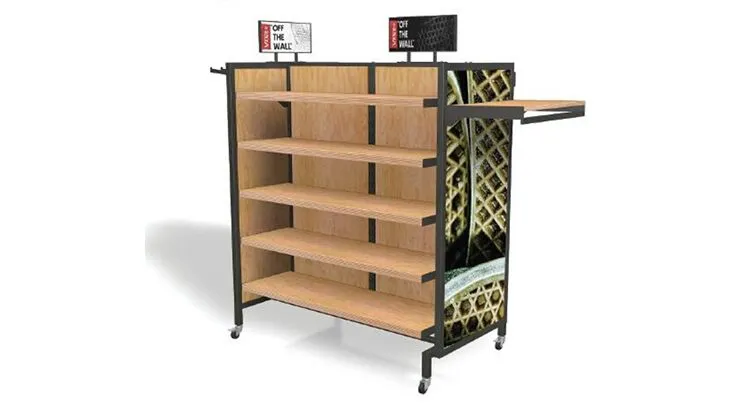
Retail stores are filled with products competing for customer attention every day. Brands invest significant resources in product development, packaging, and marketing, but success often depends on how products are presented inside the store. A strong retail display can make the difference between a product being noticed or ignored. This is why Permanent Floor Displays have become one of the most valuable merchandising tools for businesses that want to increase visibility and create a lasting impression.
Modern shoppers are exposed to countless choices during every shopping trip. They often make purchasing decisions based on what they see first or what attracts their attention while moving through the store. A strategically placed floor display helps products stand out and encourages customer interaction. These merchandising solutions are designed to support long-term retail marketing while helping businesses strengthen their brand presence.
Unlike temporary promotional fixtures that are removed after a short campaign, permanent retail displays provide continuous product exposure. Their durability and professional appearance make them a valuable investment for retailers and manufacturers across many industries.
What Makes Permanent Floor Displays Different
Permanent floor displays are merchandising units designed for long-term use in retail environments. They are typically placed in high-traffic areas where customers can easily see and access products. These display systems are built using durable materials that can withstand daily customer interaction and maintain their appearance over time.
Unlike temporary displays that support seasonal promotions or limited-time offers, long-term merchandising fixtures remain in place for extended periods. They are often used to showcase core product lines, best-selling merchandise, and important brand collections.
These display solutions can be found in supermarkets, department stores, pharmacies, electronics retailers, convenience stores, and specialty shops. Their purpose is to create dedicated product space while improving visibility and customer engagement.
Because they are designed for durability, businesses can continue benefiting from them without frequent replacement costs. This makes them an effective long-term marketing asset.
Why Brand Visibility Matters in Retail
Brand visibility plays a major role in customer purchasing decisions. Consumers are more likely to trust and purchase products they recognize. The more often customers see a brand, the more familiar and reliable it appears.
Retail stores are crowded environments where many products compete for attention. Without proper presentation, even high-quality products may struggle to stand out. Merchandising displays help solve this problem by creating a dedicated showcase area that attracts shoppers.
Increased visibility supports brand recognition and product awareness. Customers who repeatedly see a brand during shopping trips are more likely to remember it when making future purchasing decisions.
Strong retail presentation also communicates professionalism. A well-designed display sends a message that the brand values quality and customer experience. This positive impression can strengthen trust and encourage repeat business.
For many companies, improved visibility leads directly to higher sales and stronger market positioning.
Benefits of Long-Term Floor Merchandising Solutions
One of the biggest advantages of long-term retail displays is their ability to provide consistent product exposure. Since they remain in place for extended periods, customers encounter the products repeatedly during their shopping experience.
Another important benefit is improved product organization. Dedicated display fixtures keep merchandise neatly arranged and easy to browse. Customers can quickly locate products without searching through crowded shelves.
These displays also help maximize retail space. By creating focused merchandising zones, businesses can highlight important products without disrupting overall store layouts.
Durability contributes to cost efficiency. Since these display units are built to last, retailers avoid the expense of replacing temporary promotional fixtures on a regular basis.
Long-term merchandising systems also strengthen branding. Businesses can incorporate logos, colors, messaging, and design elements that reinforce brand identity and create a memorable shopping experience.
In many cases, effective display placement can significantly increase customer engagement and product sales.
Retail Environments That Benefit From Floor Displays
Many retail sectors use merchandising fixtures to improve product visibility and customer interaction.
Supermarkets frequently use floor displays to promote packaged foods, beverages, snacks, and seasonal products. Their strategic placement encourages shoppers to notice featured items while moving through store aisles.
Department stores rely on display systems to highlight fashion accessories, beauty products, and promotional merchandise. These displays help create visual interest and guide customer attention.
Pharmacies use floor merchandising units for healthcare products, wellness supplements, and personal care items. Clear presentation improves accessibility and product discovery.
Electronics retailers often showcase accessories, headphones, chargers, and smart devices using dedicated display fixtures. Organized presentation makes it easier for customers to compare options and make purchasing decisions.
Specialty retailers also benefit from these merchandising solutions because they help create branded shopping experiences that differentiate products from competitors.
Design Elements That Capture Customer Attention
The success of a retail display often depends on its design. Several factors contribute to attracting customer attention and encouraging engagement.
Visual appeal is one of the most important elements. Attractive graphics, clean layouts, and professional branding encourage shoppers to stop and explore products.
Size and structure also influence performance. Displays should be large enough to attract attention without overwhelming the shopping environment. Balanced design helps create a positive customer experience.
Product accessibility is equally important. Customers should be able to browse and handle merchandise easily. Difficult access can discourage interaction and reduce sales opportunities.
Consistent branding strengthens recognition. Colors, logos, and messaging should align with overall marketing strategies to create a unified brand experience.
High-quality materials contribute to durability and maintain a professional appearance throughout the display’s lifespan.
When these design elements work together, they create a more effective merchandising solution that supports customer engagement and sales growth.
How Floor Displays Influence Customer Behavior
Consumer behavior is strongly influenced by visual presentation. Shoppers often make decisions based on what captures their attention first.
Dedicated display units create focal points within retail environments. They naturally draw attention and encourage customers to examine featured products.
Displays also simplify decision-making by organizing products clearly. Customers can quickly understand available options and compare features without feeling overwhelmed.
Impulse purchases frequently occur when products are displayed prominently. Customers may discover items they were not actively seeking but decide to purchase because of attractive presentation.
Repeated product exposure further strengthens familiarity. Even when customers do not buy immediately, consistent visibility can influence future purchasing decisions.
By guiding attention and encouraging interaction, retail merchandising systems play an important role in shaping customer behavior.
Choosing the Right Display for Your Products
Selecting the right merchandising solution requires careful planning. Businesses should consider product size, weight, target audience, and retail environment before making decisions.
Product capacity is an important factor. Displays should provide enough space to maintain inventory levels while preserving an organized appearance.
Store layout also affects display selection. Businesses should choose designs that complement traffic patterns and support customer movement throughout the store.
Durability requirements vary depending on product categories and customer interaction levels. High-traffic environments may require stronger construction materials.
Branding opportunities should not be overlooked. Custom displays allow businesses to showcase their identity and communicate key marketing messages effectively.
By aligning display design with merchandising goals, retailers can create stronger product presentations and achieve better results.
Measuring Merchandising Success
Businesses should evaluate display performance regularly to ensure they are achieving desired outcomes.
Sales growth is one of the most important indicators. Increased product movement often reflects successful merchandising efforts.
Customer interaction provides additional insights. Retailers can observe how often shoppers engage with displayed products and whether displays encourage browsing.
Inventory turnover rates may improve when products receive greater visibility. Faster movement indicates stronger customer interest and effective presentation.
Brand recognition can also increase over time as customers repeatedly encounter products in prominent locations.
Monitoring these factors helps businesses refine merchandising strategies and maximize return on investment.
Frequently Asked Questions
How long do permanent floor displays typically last?
Their lifespan depends on materials, design, and store conditions. High-quality displays can remain effective for several years with proper maintenance.
What materials are commonly used for floor displays?
Manufacturers often use wood, metal, acrylic, reinforced corrugated materials, and hybrid construction methods.
Can floor displays be moved after installation?
Many display units are designed to be repositioned when necessary, although some larger installations may remain in fixed locations.
Which products work best on floor displays?
Packaged foods, electronics accessories, beauty products, healthcare items, seasonal merchandise, and promotional products commonly perform well.
How do floor displays improve brand marketing?
They increase visibility, strengthen brand recognition, encourage customer engagement, and provide dedicated space for product presentation.
Conclusion
Strong merchandising strategies help brands compete effectively in crowded retail environments. Permanent Floor Displays provide continuous product visibility, improve organization, and create memorable shopping experiences that support long-term business growth. Their durability, branding potential, and ability to attract customer attention make them a valuable investment for retailers across many industries. Businesses seeking custom retail display solutions can explore the innovative merchandising options available from Packaging & Display USA to strengthen brand presence and improve in-store product performance.
