

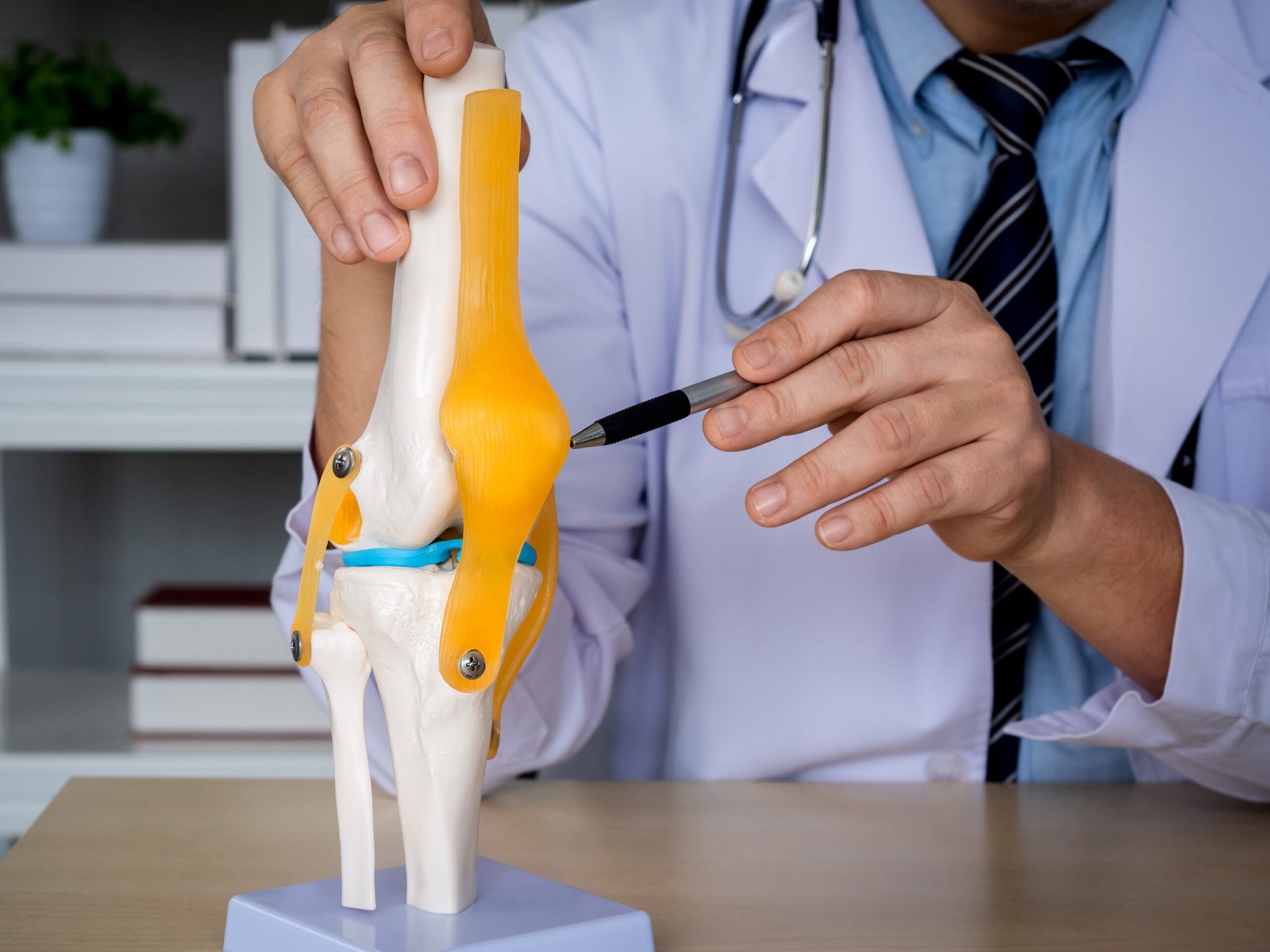
Bones, joints, muscles, and ligaments play a major role in how we move every day. From walking and running to lifting objects and sitting comfortably, everything depends on a healthy musculoskeletal system. But when pain, injury, or stiffness starts affecting movement, it is important to know when to seek help from an orthopedic specialist.
In a best orthopedic hospital in Mogappair, doctors usually see patients with a wide range of issues—from simple sprains to complex fractures and joint problems. Many people ignore early signs of bone or joint issues, thinking they will heal on their own. However, delaying treatment can often make the condition worse and lead to long-term complications.
Let’s understand clearly when you should visit an orthopedic doctor and why timely treatment is important.
What Does an Orthopedic Doctor Do?
An orthopedic doctor specializes in diagnosing and treating problems related to:
- Bones
- Joints
- Ligaments
- Muscles
- Tendons
They treat conditions ranging from sports injuries to arthritis and fractures. Their goal is to restore movement, reduce pain, and improve quality of life.
1. Persistent Joint or Bone Pain
One of the most common signs that you should see an orthopedic doctor is ongoing pain in joints or bones.
If you experience:
- Knee pain that doesn’t go away
- Shoulder stiffness
- Lower back pain
- Hip discomfort
It should not be ignored. Occasional pain may be normal after physical activity, but persistent pain can indicate underlying issues like arthritis, ligament injury, or wear and tear of joints.
2. Difficulty in Movement
If you find it hard to move a joint normally, it may be a sign of a serious orthopedic problem.
Symptoms include:
- Difficulty bending knees or elbows
- Trouble walking or climbing stairs
- Reduced flexibility
- Stiff joints after rest
These issues often develop slowly and worsen over time if not treated early.
3. Fractures and Bone Injuries
Fractures are one of the most obvious reasons to visit an orthopedic doctor immediately. A fracture can happen due to accidents, falls, or sports injuries.
Common signs of a fracture:
- Severe pain after injury
- Swelling and bruising
- Inability to move the affected area
- Visible deformity
In such cases, immediate medical attention is necessary. A fracture treatment hospital in Anna nagar typically provides emergency care, X-rays, bone setting, and surgical treatment if needed.
Quick treatment ensures proper bone healing and prevents long-term complications.
4. Sports Injuries
Active individuals and athletes are more prone to injuries such as:
- Ligament tears
- Muscle strains
- Tendon injuries
- Dislocations
If pain or swelling continues after a sports injury, it is important to consult an orthopedic specialist. Early treatment helps in faster recovery and prevents permanent damage.
5. Back and Neck Pain
Modern lifestyles involve long hours of sitting, poor posture, and lack of physical activity. This often leads to back and neck problems.
You should see an orthopedic doctor if:
- Back pain lasts more than a few weeks
- Pain spreads to legs or arms
- You feel numbness or tingling
- Pain increases while sitting or standing
These symptoms may indicate slipped discs or nerve compression.
6. Arthritis and Joint Wear and Tear
Arthritis is a condition where joints become inflamed, causing pain and stiffness. It is more common in older adults but can affect younger people as well.
Symptoms include:
- Joint swelling
- Morning stiffness
- Reduced movement
- Pain during activity
Early diagnosis helps manage symptoms and slows down joint damage.
7. Swelling or Deformity in Bones or Joints
Any visible swelling, deformity, or abnormal shape in bones or joints should not be ignored. It could be due to injury, infection, or underlying bone disease.
Prompt treatment helps prevent worsening of the condition.
8. Numbness or Tingling Sensation
If you experience numbness, tingling, or weakness in arms or legs, it may be related to nerve compression or spinal issues. Orthopedic doctors can diagnose the cause and suggest treatment options such as medication, physiotherapy, or surgery if needed.
9. Difficulty in Daily Activities
When basic activities like walking, climbing stairs, or even holding objects become difficult, it is a sign that your musculoskeletal system needs attention.
Ignoring these signs can affect independence and quality of life over time.
10. Age-Related Bone Problems
As people age, bones become weaker and more prone to conditions like osteoporosis. This increases the risk of fractures even from small falls.
Regular orthopedic check-ups are important for:
- Bone density monitoring
- Fall prevention
- Joint health management
Importance of Early Treatment
Early diagnosis in orthopedic conditions is very important because:
- It prevents worsening of injuries
- Reduces recovery time
- Avoids long-term complications
- Helps maintain mobility
Many conditions can be treated easily if caught early, without the need for surgery.
Treatment Options in Orthopedics
Orthopedic doctors use different treatment methods depending on the condition:
1. Medication
Pain relief and anti-inflammatory medicines help reduce discomfort.
2. Physiotherapy
Exercises and therapy help restore movement and strengthen muscles.
3. Casting and Bracing
Used for fractures and injuries to keep bones in place while healing.
4. Surgery
Required in severe cases like complex fractures or joint replacement.
Role of Advanced Hospitals
Modern orthopedic hospitals use advanced technology like:
- Digital X-rays
- MRI and CT scans
- Minimally invasive surgeries
- Robotic-assisted joint replacement
These technologies improve accuracy and speed up recovery.
Conclusion
Orthopedic health is essential for maintaining an active and pain-free life. Ignoring bone or joint problems can lead to long-term complications and reduced mobility.
Knowing when to visit an orthopedic doctor helps in early diagnosis and effective treatment. Whether it is persistent pain, fractures, sports injuries, or age-related issues, timely medical care makes a big difference.
With proper treatment, rehabilitation, and lifestyle changes, most orthopedic conditions can be managed effectively, helping individuals return to their normal activities with confidence and comfort.
