

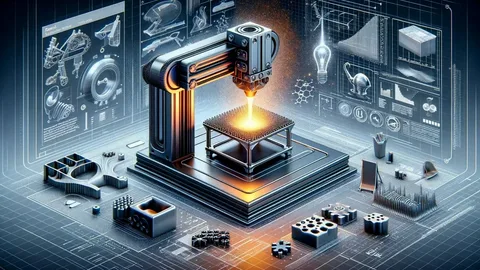
AI is rapidly transforming modern manufacturing, and one of the most significant advancements is its integration into CNC systems. AI cnc machining is reshaping how aerospace and automotive parts are designed, produced, and optimized, enabling higher precision, reduced waste, and faster production cycles. These industries demand extreme accuracy and reliability, making AI-driven CNC technology a critical competitive advantage.
Role of AI CNC Machining in Aerospace Manufacturing
Aerospace manufacturing requires extremely tight tolerances, lightweight materials, and flawless structural integrity. AI cnc machining enhances CNC systems by analyzing complex design data and optimizing machining paths for maximum precision. This reduces human error and ensures consistency across high-value components such as turbine blades, fuselage parts, and landing gear.
In addition, AI helps manufacturers predict machining outcomes before production begins. By simulating stress, heat distribution, and tool wear, aerospace engineers can avoid costly failures and redesign inefficiencies early in the process.
Key points:
- Improves precision for complex aerospace components
- Reduces risk of structural failure
- Optimizes tool paths for lightweight materials
- Enables predictive simulation before production
- Enhances consistency in mass production of critical parts
Enhancing Automotive Production Efficiency with AI CNC Machining
The automotive industry relies on large-scale production with strict quality standards. AI cnc machining plays a key role in streamlining production lines by automating adjustments in real time. This ensures that engine components, transmission parts, and chassis elements are manufactured with minimal defects.
AI also improves production speed by reducing downtime and automatically adjusting machine settings based on material behavior. This leads to faster turnaround times without compromising quality, which is essential for competitive automotive manufacturing.
Key points:
- Increases production speed and efficiency
- Reduces defects in mass-produced components
- Automates real-time machine adjustments
- Improves engine and drivetrain part accuracy
- Minimizes downtime in manufacturing lines
Predictive Maintenance and Reduced Downtime
One of the biggest advantages of AI cnc machining is predictive maintenance. AI algorithms monitor machine performance, vibration patterns, temperature changes, and tool wear to predict when maintenance is needed before a breakdown occurs. This is especially valuable in aerospace and automotive industries where downtime is extremely costly.
By identifying issues early, manufacturers can schedule maintenance at optimal times, preventing unexpected machine failures. This not only extends machine life but also ensures continuous production flow and reduced operational costs.
Key points:
- Detects early signs of machine wear and failure
- Reduces unexpected production stoppages
- Extends lifespan of CNC equipment
- Optimizes maintenance scheduling
- Lowers long-term operational costs
Material Optimization and Waste Reduction
Material efficiency is crucial in both aerospace and automotive manufacturing, where high-performance metals and composites are expensive. AI cnc machining helps optimize material usage by calculating the most efficient cutting paths and minimizing waste during production.
AI systems can also analyze material properties in real time, adjusting cutting speed and tool pressure to reduce defects and scrap rates. This leads to more sustainable manufacturing practices and significant cost savings.
Key points:
Future Innovations in AI CNC Machining Technology
The future of AI cnc machining in aerospace and automotive industries is focused on full automation, smart factories, and advanced robotics integration. Machines will increasingly operate with minimal human intervention, using AI to self-correct and improve performance continuously.
Additionally, integration with digital twins and IoT systems will allow manufacturers to simulate entire production environments before physical manufacturing begins. This will further improve accuracy, reduce costs, and accelerate innovation cycles.
Key points:
- Expansion of fully automated smart factories
- Integration with IoT and digital twin technology
- Self-learning CNC machines for continuous improvement
- Greater collaboration between robotics and AI systems
- Faster innovation cycles in aerospace and automotive design
Conclusion
AI cnc machining is revolutionizing aerospace and automotive industries by delivering unmatched precision, efficiency, and reliability. From predictive maintenance to material optimization and smart automation, AI is transforming traditional CNC systems into intelligent manufacturing solutions.
As technology continues to evolve, companies that adopt AI-driven CNC machining will gain a significant competitive advantage, achieving higher productivity, lower costs, and improved product quality in an increasingly competitive global market.
