

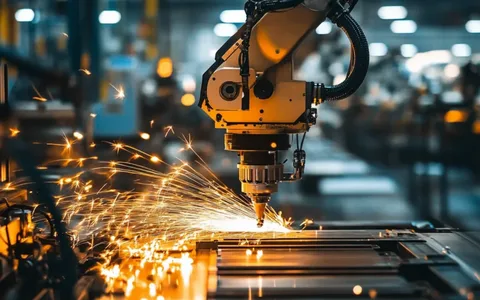
CNC (Computer Numerical Control) technology has transformed modern woodworking and furniture production by offering precision, speed, and consistency that traditional methods cannot match. The applications of CNC machining in this industry continue to grow as manufacturers, artisans, and designers adopt digital fabrication tools to improve creativity and efficiency. From custom furniture to mass production, CNC machines are reshaping how wood products are designed and manufactured.
Precision Cutting and Shaping of Wood Components
One of the most important applications of CNC machining in woodworking is precision cutting. CNC machines use programmed digital instructions to cut wood with extreme accuracy, ensuring that every piece matches the design specifications perfectly. This level of precision is especially useful for complex furniture designs where manual cutting would be time-consuming and error-prone.
In addition to accuracy, CNC machining allows repeatability, meaning the same design can be produced multiple times with identical results. This is essential in furniture manufacturing where consistency is key for quality control and customer satisfaction. Whether it is cutting panels, frames, or decorative parts, CNC ensures clean and smooth edges.
Key applications include:
- Cutting wooden panels for cabinets and tables
- Shaping chair legs and structural frames
- Producing identical parts for mass furniture production
- Creating intricate curved and geometric wood patterns
- Reducing material waste through optimized cutting paths
Custom Furniture Design and Personalization
Another major area of applications of CNC machining is custom furniture design. CNC technology allows designers to turn digital models into real products with minimal limitations. This enables furniture makers to offer highly personalized items tailored to customer preferences in size, shape, and style.
This flexibility has opened new opportunities in modern interior design. Customers can now request unique furniture pieces that match specific room layouts or aesthetic themes. CNC machines can quickly adjust to new designs without requiring manual retooling, making customization both practical and cost-effective.
Key applications include:
- Personalized engraved tables and cabinets
- Custom headboards with intricate patterns
- Made-to-order shelving systems
- Unique artistic furniture designs
- Rapid prototyping of new furniture concepts
Intricate Carving and Decorative Work
CNC machining is widely used for decorative woodworking, especially where detailed carvings are required. Traditional hand carving requires high skill and significant time, but CNC machines can replicate even the most complex designs with perfect accuracy. This makes it one of the most creative applications of CNC machining in furniture production.
From ornamental patterns to artistic reliefs, CNC routers can carve detailed textures into wood surfaces. This is especially popular in luxury furniture, decorative panels, and architectural woodwork where aesthetics play a major role. Designers can create digital artwork and convert it directly into carved wood pieces.
Key applications include:
- Decorative wall panels with detailed patterns
- Carved wooden doors and headboards
- Artistic furniture embellishments
- Religious and cultural wood carvings
- 3D textured surface designs
Efficient Mass Production in Furniture Manufacturing
Mass production is another critical area where the applications of CNC machining significantly improve efficiency. In large-scale furniture manufacturing, speed and consistency are essential. CNC machines can operate continuously with minimal human intervention, producing large quantities of identical components in less time.
This automation reduces labor costs and increases production output. Manufacturers can also switch between designs quickly by simply updating the digital file, eliminating the need for physical adjustments. This makes CNC machining ideal for factories producing standardized furniture lines.
Key applications include:
- High-volume production of chairs, tables, and cabinets
- Automated production lines for furniture components
- Fast switching between different product designs
- Reduced production time and labor dependency
- Consistent quality across all manufactured units
Efficient Material Utilization and Waste Reduction
Sustainability is becoming increasingly important in woodworking, and CNC machining plays a major role in reducing material waste. One of the most practical applications of CNC machining is its ability to optimize cutting paths, ensuring that wood sheets are used efficiently with minimal waste.
By using advanced software, CNC machines calculate the most efficient layout for cutting parts from a single sheet of wood. This not only saves raw materials but also reduces production costs and environmental impact. It is especially valuable in industries focused on eco-friendly manufacturing practices.
Key applications include:
- Optimized cutting layouts for maximum material use
- Reduced wood waste during production
- Lower manufacturing costs through efficiency
- Eco-friendly furniture production practices
- Recycling and reuse of leftover materials
Conclusion
The applications of CNC machining in furniture and woodworking have revolutionized the industry by combining precision, creativity, and efficiency. From custom furniture design to large-scale manufacturing, CNC technology enables faster production, higher quality, and greater design flexibility. It also supports sustainability by minimizing material waste and improving resource utilization. As technology continues to advance, CNC machining will remain a key driver of innovation in modern woodworking, empowering both manufacturers and designers to push the boundaries of what is possible in furniture production.
